Intra-African diplomatic relations should not dictate the external foreign policies of African states
Relatives will always have fights. These come and go, but once an outsider gets involved, this may threaten to collapse the household for good. This is what we are witnessing in the recent diplomatic tensions on the African continent, including xenophobic attacks in South Africa. The rise of undocumented immigrants in South Africa, especially in the cities, is claimed to be a contributing factor to reported criminal activities. The South African Police Service reports that individuals involved in criminal activities include both South African and foreign nationals. The involvement of foreign nationals in criminal activities, and many other issues that […] The post Intra-African diplomatic relations should not dictate the external foreign policies of African states appeared first on African Arguments.
 Black News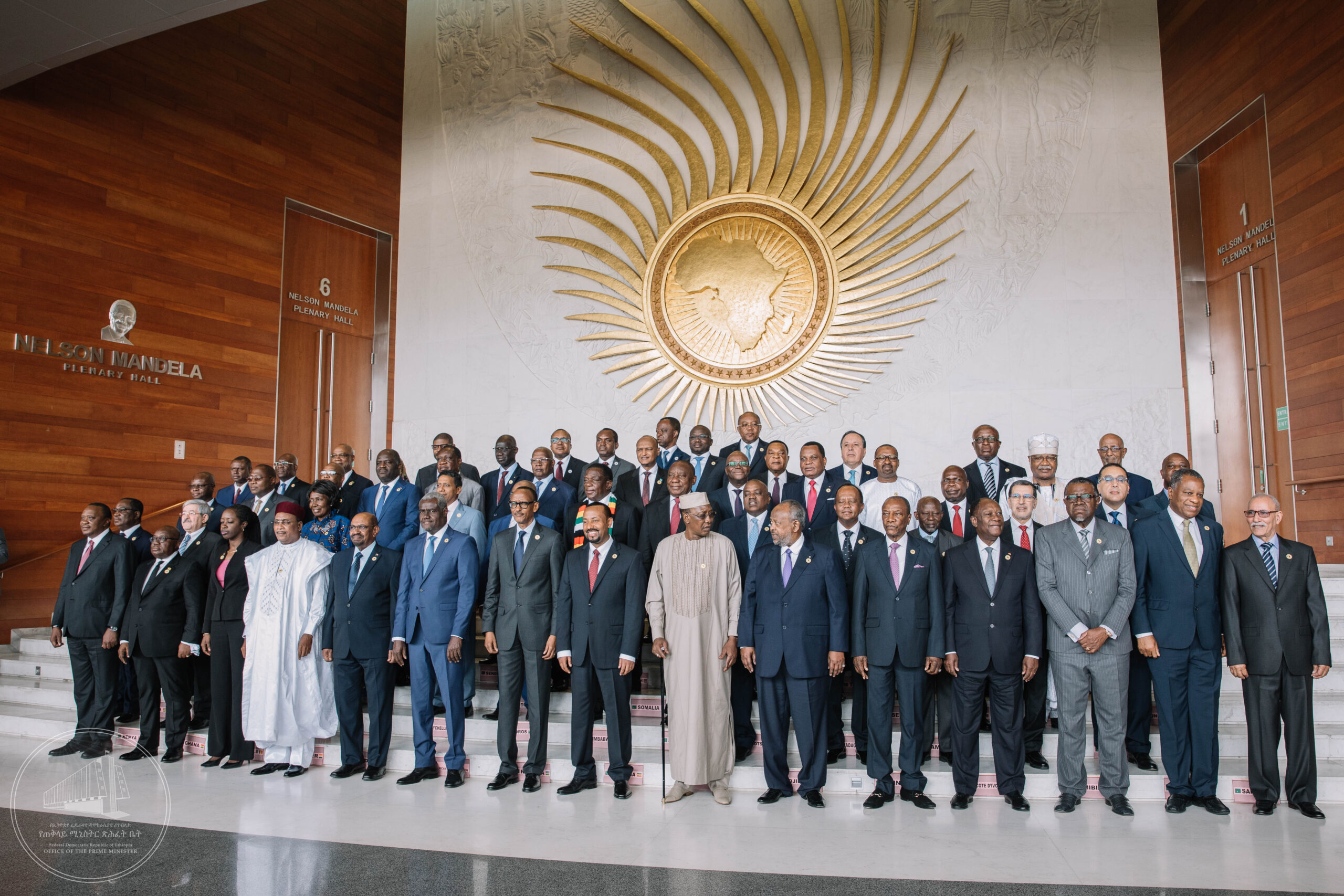
Relatives will always have fights. These come and go, but once an outsider gets involved, this may threaten to collapse the household for good. This is what we are witnessing in the recent diplomatic tensions on the African continent, including xenophobic attacks in South Africa.
The rise of undocumented immigrants in South Africa, especially in the cities, is claimed to be a contributing factor to reported criminal activities. The South African Police Service reports that individuals involved in criminal activities include both South African and foreign nationals.

Protest in Johannesburg (Photo: Andy Diesel / Pexels)
The involvement of foreign nationals in criminal activities, and many other issues that are generally perceived to be perpetrated by fellow Africans, including taking jobs and taking over the small business sector, leads to tensions between South Africans and the perceived offenders. Coupled with a number of South African internal matters, such as high unemployment rates and inequality, which are a result of government failure, skewed capitalist economic and political systems, these issues often spark tensions in pockets of South Africa, where groups of South Africans take offence at foreign nationals. This, of course, is xenophobic. Not only are the attacks misdirected, but they are also selective. The pull factor for foreign nationals is the business and private sectors. Which happens to be hiring without document verification. The attacks and attention are supposed to be channelled into this sector. But also, the attacks are directed only at black African when the country is filled with other foreign nationals from different parts of the world, including Europe.
The latest such attack occurred in April-May 2026, and what is being referred to as a national shutdown, planned by the leading groupings of the movement against what they call ‘illegal immigration’ took place on the 30th June 2026. It is such events that escalate to diplomatic tensions between the diplomatic offices of the African countries whose nationals are being affected by the attacks. The response and warnings to nationals by foreign embassies are an expected measure when there is a threat in the host country. Ghana, Nigeria, Kenya, Malawi, Lesotho and Zimbabwe are among the countries that issued warnings to their citizens in South Africa.
The mentioned countries all sought clarity directly from the South African government through their heads of state and foreign affairs ministries. In addition to this diplomatically correct measure, Ghana went ahead to report the issue to the African Union (AU), seeking the organisation to summon South Africa to present and explain the attacks, and also proposing the establishment of a fact-finding mission to investigate the root causes of xenophobia in South Africa.
In response to the Ghanaian proposal, the South African government, through its Minister of Foreign Affairs issued a response statement, arguing that ‘should the AU agree to the Ghanaian proposals, ‘South Africa will also propose an agenda item on the push and pull factors of migration, including good governance, rule of law, and democracy, in accordance with the Constitutive Act of the AU.’ These are clearly diplomatic tensions between two fellow African states and can be resolved through diplomatic means or via the African Union, to which both states are members.
However, if external forces are influencing these countries to take certain measures against one another, as has been the case in Africa before, resolving the issue would require a broader solution. While Ghana and South Africa were exchanging statements publicly and through social media, reports surfaced alleging that the Ghanaian government had recently strengthened ties with Israel, a strategic adversary of South Africa. There is no evidence yet that Israel has made moves against South Africa through Ghana.
It is, certainly, not anyone’s position, except Ghana’s, to decide with whom Ghana should be friends as a sovereign state. However, it cannot be denied that strategic partners and friends, especially the powerful, often influence a less powerful country’s role and position in international affairs. This is particularly evident amid the multipolar tensions shaping the global order today. Countries, especially less powerful ones, mostly found in Africa, are pressured by superpowers to decide whom to side with. This is evident in West Africa, where French-led government actions and initiatives created divisions among West African governments, favouring continued cooperation with France and those advocating a stronger break from French influence.
Additionally, in his recent book, Slow Poison, Mahmood Mamdani reminds us of Israel’s influence in sustaining conflict in Sudan and later in the Congo, through its relationship with Uganda’s Prime Minister, Milton Obote, and his senior military officer, Idi Amin, during the 1960s. Recently, Israel has been running a number of divisive actions on the African continent, including its recent recognition of Somaliland in Eastern Africa.
As has been the case in the past, it should never again be the case that Africa invites and allows external forces, especially imperial states, including Israel, to directly intervene in African matters, particularly those that seek to divide the African household. Should this happen, Africa will remain divided within itself while remaining loyal to erstwhile colonisers and imperialists, which is the opposite of what the Ghanaian Pan-Africanist Kwame Nkrumah imagined and strongly advocated – the unity of Africa.
Assembly of the African Union
While it is important to maintain economic and diplomatic relations as a state, African leaders should refrain from allowing such relations to determine Africa’s future and diplomatic operations. This includes the African Union and all regional blocs on the continent. African states should not be easily predictable in the positions they will take on international matters, because it is known who their friends are around the globe. Bilateral relations, and any other relations for that matter, should not define a country’s foreign policy.
The post Intra-African diplomatic relations should not dictate the external foreign policies of African states appeared first on African Arguments.