Israel sparks diplomatic row with broad ebola travel ban on 5 African nations
Israel has imposed sweeping travel restrictions on foreign nationals from five African countries following concerns over the spread of Ebola, drawing a sharp protest from Kenya, which says it has not recorded a single case of the disease.
 Black News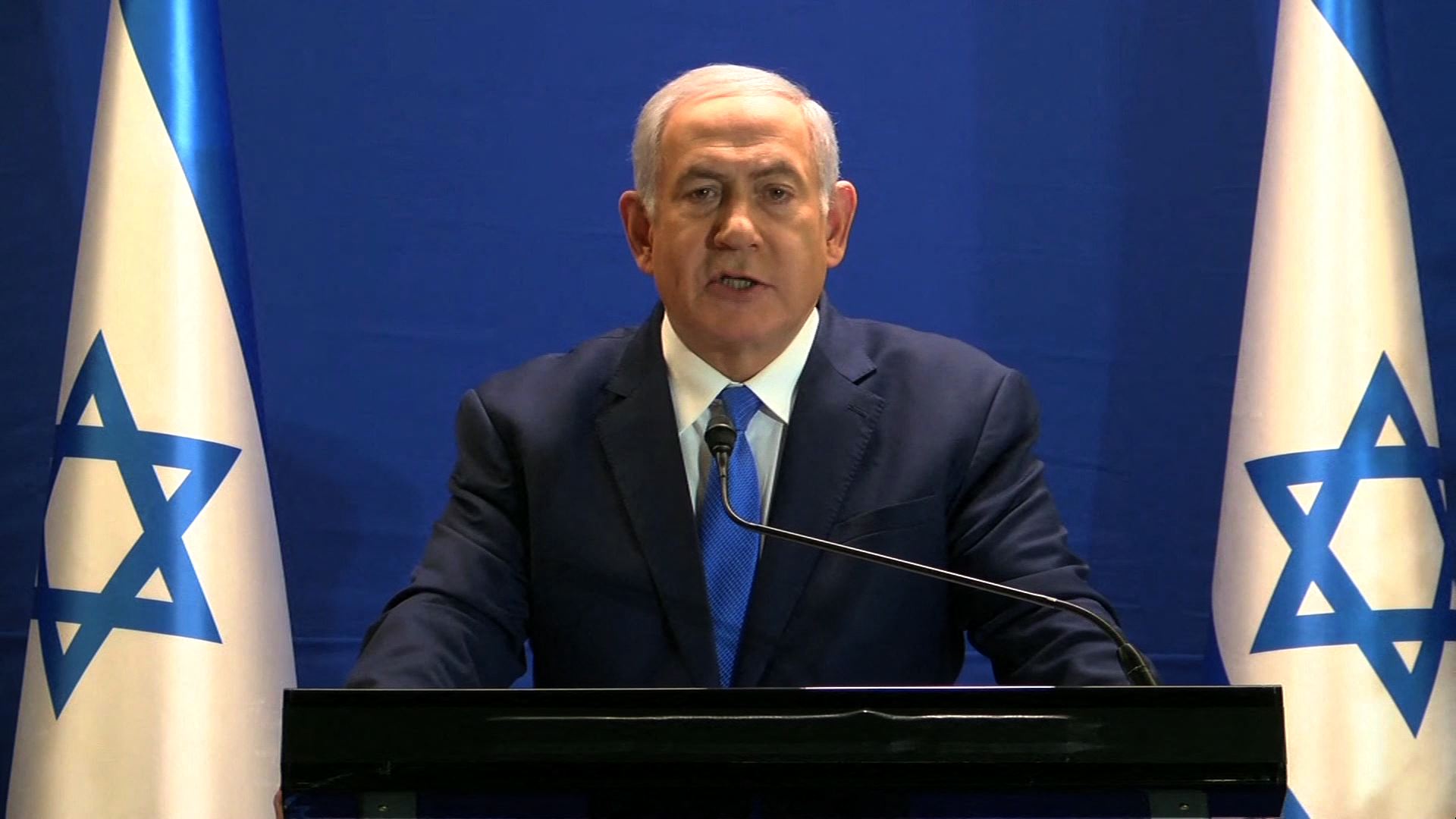
![Israel sparks diplomatic row with broad ebola travel ban on 5 African nations. [Photo by -/LIKUD/AFP via Getty Images]](https://ocdn.eu/pulscms/MDA_/85ca2486147876e8422e7777164b6451.jpg)
Israel has imposed sweeping travel restrictions on foreign nationals from five African countries following concerns over the spread of Ebola, drawing a sharp protest from Kenya, which says it has not recorded a single case of the disease.
- Israel has imposed strict travel restrictions on foreign nationals from five African countries due to Ebola concerns.
- The ban affects travelers from the DRC, South Sudan, Rwanda, Kenya, and Uganda.
- Airlines must question all foreign passengers before boarding to enforce the directive, while Israeli citizens and residents are exempt.
- Kenya has protested its inclusion on the list, arguing it has not recorded any Ebola cases.
In a directive issued by Israel's Population and Immigration Authority on June 10, airlines were instructed to deny boarding to foreign citizens and residents of the Democratic Republic of the Congo, South Sudan, Rwanda, Kenya, and Uganda on flights bound for Israel.
The order also extends to foreign nationals of any nationality who have visited or stayed in any of the five countries within 21 days before travel, regardless of their country of residence or citizenship.
DON'T MISS THIS: Ebola cases surge past 500 as WHO battles rare strain with no approved vaccine
"Airlines must question every foreign passenger prior to boarding, which includes verifying whether they have stayed in any of the restricted countries listed above during the past 21 days. If the answer is affirmative, they must not be permitted to board the flight to Israel." the advisory stated.
The restrictions do not apply to Israeli citizens or permanent residents.
Airlines have been directed to question all foreign passengers before departure and verify whether they have traveled to any of the listed countries during the previous three weeks.
Kenya rejects Ebola-linked designation
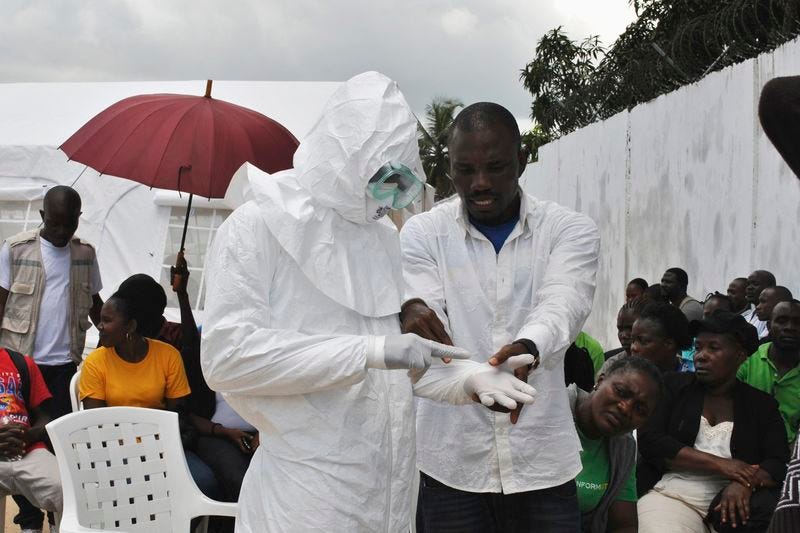
The move comes amid heightened concerns over Ebola outbreaks in parts of East and Central Africa, prompting several governments to strengthen border screening and surveillance measures.
However, Kenya has strongly objected to its inclusion on the list, arguing that it has not reported any Ebola infections despite playing a key role in regional disease monitoring efforts.
"Kenya strongly protests the decision by Israel to include the country amongst those whose travellers it will restrict," Korir Sing'Oei, Kenya's Principal Secretary for Foreign Affairs, said in a statement posted on X.
DON'T MISS THIS: Trump pushes Europe to tighten travel restrictions from Ebola-hit African nations as World Cup travel concerns grow
"This is especially unfortunate given Kenya's support to regional surveillance and response to Ebola. With over 80,000 tests, no case of Ebola has been reported in Kenya," he added.
The diplomatic disagreement highlights the challenge governments face in balancing public health safeguards with maintaining international travel and trade ties.
While countries often adopt precautionary measures during disease outbreaks, affected nations may view broad restrictions as unjustified if they have not recorded confirmed cases.
For Kenya, East Africa's largest aviation hub and one of Israel's key partners on the continent, prolonged restrictions could have implications for business travel, tourism, and broader economic engagement if the measures remain in place.