June 30: Nigeria to document millions in abandoned businesses, assets left by citizens returning from South Africa
The Nigerian government has instructed citizens returning from South Africa to document businesses, vehicles and other assets they were forced to leave behind, as Abuja begins discussions with Pretoria over possible compensation.
 Black News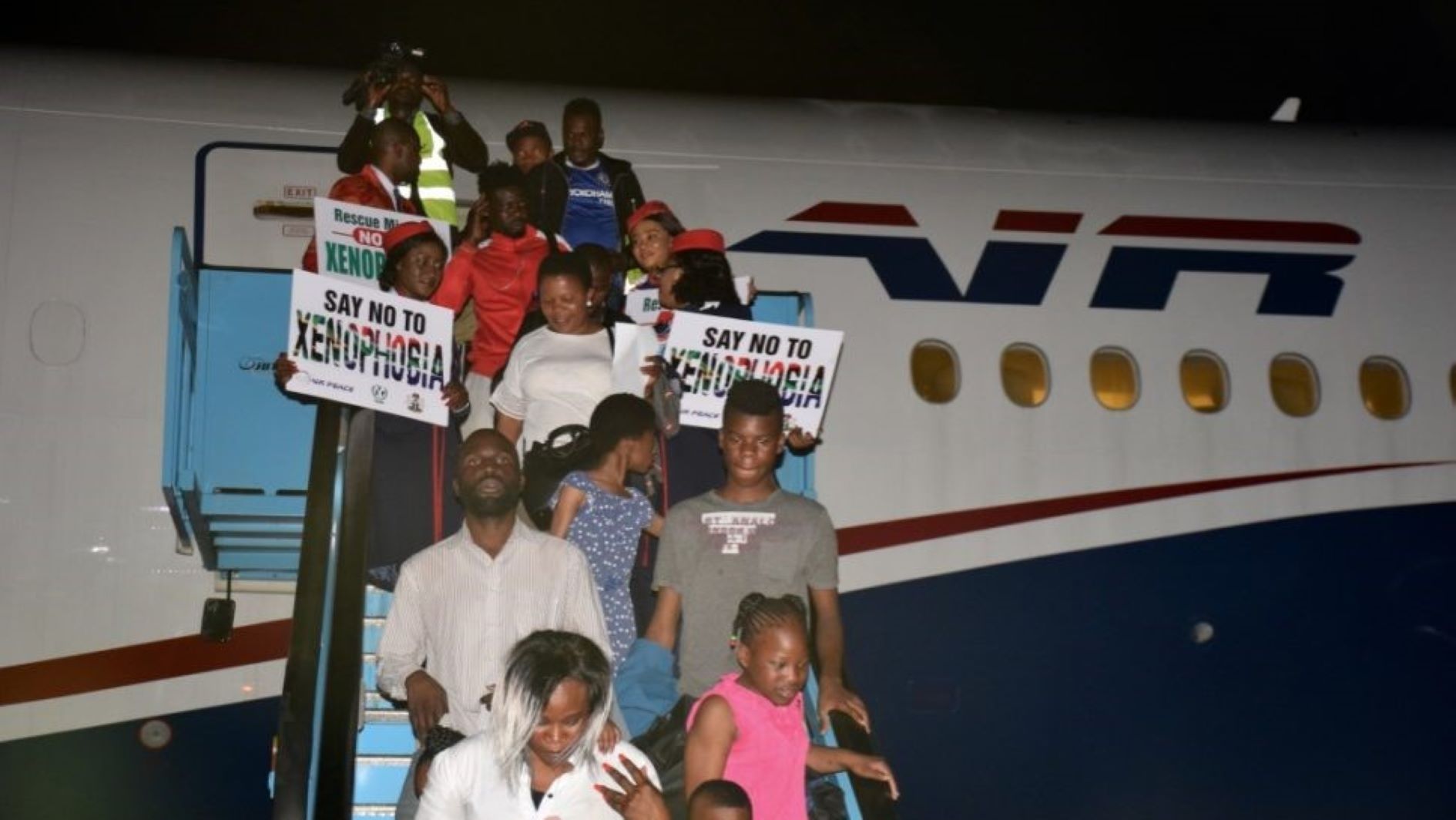

The Nigerian government has instructed citizens returning from South Africa to document businesses, vehicles and other assets they were forced to leave behind, as Abuja begins discussions with Pretoria over possible compensation.
- The Nigerian government is instructing citizens returning from South Africa to document assets they left behind due to anti-immigration tensions.
- This documentation aims to support compensation claims for businesses, vehicles, and properties lost or abandoned by Nigerians under the voluntary evacuation programme.
- The move follows nationwide anti-immigration protests in South Africa, which have raised fears of xenophobic violence against foreign nationals.
- Nigeria’s Acting High Commissioner to South Africa has begun diplomatic discussions with South African officials regarding compensation for affected citizens’ investments.
Nigeria's Acting High Commissioner to South Africa, Alexander Ajayi, said the Federal Government intends to seek compensation for businesses and investments abandoned by Nigerians returning home under its voluntary evacuation programme, launched amid escalating anti-immigration tensions as nationwide protests unfold across South Africa.
In an interview with Nigeria's Channels Television, Ajayi said the government's intervention would not end with evacuating affected citizens but would also focus on protecting their economic interests.
DON'T MISS THIS: U.S. cuts operations at four South African diplomatic missions as June 30 protests begin
According to him, the Nigerian mission has directed returnees to compile detailed records of businesses, shops, cars and other movable and immovable properties they left behind before departing South Africa.
The government's intervention comes as the self-styled March and March movement begins nationwide anti-immigration protests across South Africa today - June 30, with organisers calling for the mass deportation of undocumented migrants.
The demonstrations have heightened concerns among foreign nationals amid fears they could trigger xenophobic violence.

Nigeria prepares compensation claims
Ajayi revealed that the issue has already been discussed with South African officials, including the country's Deputy Minister of Finance, as both sides begin engagements over the fate of assets owned by Nigerian nationals.
"In terms of the businesses, just three days ago, myself and the South African Deputy Minister of Finance were together, and we were discussing this," he said.
"I have asked them before they left yesterday to document very accurately those things they were leaving behind in terms of businesses, in terms of even cars, movable and immovable properties."
The Acting High Commissioner said the documentation exercise would provide the Nigerian government with evidence of the value of investments built over the years by affected citizens and could support future compensation claims.
Although officials have yet to outline the legal framework under which compensation would be pursued, Ajayi's remarks suggest Abuja is preparing to elevate the matter beyond consular assistance into a formal diplomatic engagement with Pretoria.
Evacuation amid rising tensions
The latest evacuation comes against the backdrop of Nigerian government estimates that about 500,000 Nigerians in South Africa are undocumented, although those figures have not been independently verified.
The Federal Government has evacuated 335 Nigerians from South Africa under its voluntary repatriation programme as anti-immigration protests and xenophobic tensions continue to fuel fears among foreign nationals.
While many Nigerians living in South Africa are legally resident, Ajayi said some voluntarily chose to return home over fears that the protests could disrupt businesses or escalate into violence.
The demonstrations have attracted international attention.
DON'T MISS THIS: South Africa deploys drones, 33,000 CCTV cameras and 13,000 officers to prevent anti-migrant protests from escalating
The U.S. Mission to South Africa has reduced operations at its diplomatic facilities in Cape Town, Durban, Johannesburg and Pretoria, citing potential security risks associated with the protests, while President Cyril Ramaphosa has urged demonstrators to remain peaceful and warned against vigilantism.
Whether South Africa accepts responsibility for privately owned assets abandoned by Nigerians remains uncertain.
However, Nigeria's decision to begin documenting those losses signals that the issue could become a new point of engagement between Africa's two largest economies as efforts continue to safeguard the interests of affected citizens.