Kenya clears Asahi’s $2.3 billion EABL takeover but orders brewer to share cooler space with rivals
Kenya has approved Japan’s Asahi Group to take control of East African Breweries Limited in a $2.3 billion transaction, but the regulator has attached conditions intended to protect competitors and outstanding claimants.
 Black News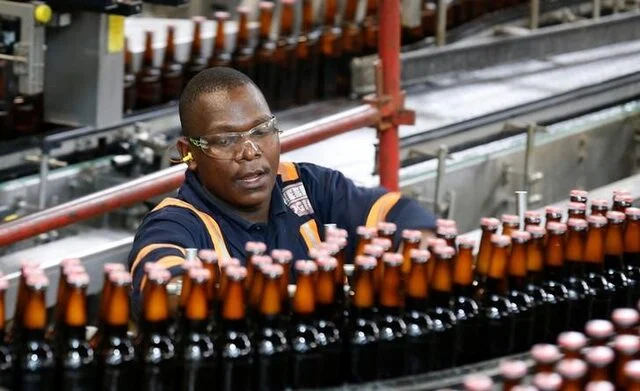

Kenya has approved Japan’s Asahi Group to take control of East African Breweries Limited in a $2.3 billion transaction, but the regulator has attached conditions intended to protect competitors and outstanding claimants.
- Kenya’s competition regulator has approved Asahi’s proposed acquisition of Diageo’s 65% EABL stake.
- The deal is expected to produce approximately $2.3 billion in net proceeds for Diageo.
- EABL must make 20% of the cooler space it controls in retail outlets available to competitors.
- Regulatory approval has been granted, but the transaction has not yet been confirmed as completed.
EABL confirmed the Competition Authority of Kenya’s approval on 10 September, removing one of the largest regulatory obstacles to Diageo’s sale of its 65% shareholding.
The conditions include a requirement for EABL to make 20% of the cooler space under its control in retail outlets available to competing drinks brands.
The measure strikes directly at a powerful part of beer distribution. Refrigerated display space determines which drinks are visible and immediately available to customers, particularly in small shops, bars and restaurants.
By opening part of that space to competitors, the regulator is approving Asahi’s entry while limiting EABL’s ability to use its retail infrastructure exclusively for its own portfolio.
The authority also directed EABL to reserve sufficient money from the transaction to meet outstanding liabilities.
DON'T MISS THIS: Kenya regulator seeks $115 million reserve before Japan’s beverage giant can take over East Africa’s biggest brewer in $2.3 billion deal
Earlier reports said the regulator had proposed a reserve of up to $116 million (KSh15 billion). However, the final language reported after approval did not specify that exact amount. It would therefore be unsafe to describe KSh15 billion as the final compulsory reserve without the authority’s complete decision.
A major transfer of African brand power
Diageo agreed in December 2025 to sell its 65% EABL interest to Asahi, transferring control of one of East Africa’s most recognisable drinks companies from Britain to Japan.
The transaction gives EABL an implied enterprise value of approximately $4.8 billion. Diageo expects around $2.3 billion in net proceeds after taxes and transaction expenses.
DON'T MISS THIS:Africa becomes Diageo’s fastest-growing major market as $2.3 billion sale prepares Japanese giant Asahi for major continental push
EABL’s portfolio includes Tusker, Senator, Kenya Cane and Chrome. It operates through businesses in Kenya, Uganda and Tanzania and distributes products across other regional markets.
The Financial Times reported when the agreement was announced that EABL controlled roughly 80% of Kenya’s alcohol market and generated approximately $996 million in annual net sales.
Diageo is relinquishing its shareholding, but it is not removing all its products from the region.
Long-term commercial arrangements will allow EABL to continue producing or distributing Diageo brands, including Guinness and Smirnoff. This gives Diageo a route to East African consumers without retaining ownership of the breweries.
DON'T MISS THIS:World’s largest spirits maker, Diageo, sells stake in East African Breweries for $2.3 bln
Approval does not mean the sale has closed
EABL described the transaction as proposed when acknowledging the competition regulator’s decision.
The parties have not yet announced that ownership has formally transferred or that consideration has been paid. The article must therefore say the deal has been approved, not completed.
The transaction has also encountered court challenges. In April, a Kenyan court dismissed an application from distributor Bia Tosha seeking to stop the sale, while EABL later asked the chief justice to expedite related hearings.
The remaining reporting questions include whether any court order can still delay completion, the final size of the liability reserve and whether the cooler-space requirement applies only in Kenya.