Key West for Literature Lovers: Hemingway, History, Seafood and the Sea
For travelers with a passion for literature, this Florida island is an opportunity to walk through the places connected to writers, their characters and stories. The post Key West for Literature Lovers: Hemingway, History, Seafood and the Sea appeared first on Deep South Magazine.
 Black News

There are destinations you visit for the beaches, others for the nightlife, and then there are places where the landscape seems to have been waiting for someone to write about it. Key West belongs firmly in that last category. For travelers with a passion for literature, the island offers something more interesting than a collection of attractions: it provides the opportunity to walk through places connected to writers, characters, stories and the peculiar history of a small island at the Southern edge of the United States.
Ernest Hemingway is the name most closely associated with Key West, but he is far from the only historical figure whose story is woven into the island. Writers, sailors, artists, fishermen, smugglers, military officers, shipwreck survivors and entrepreneurs have all contributed chapters to Key West’s remarkable history. Stay in Old Town, take your time, and approach the island less like a checklist of tourist attractions and more like a book whose pages happen to be scattered across tropical streets.
Follow Hemingway Through Key West
For literature lovers, the obvious place to begin is the Ernest Hemingway Home and Museum. Hemingway lived in Key West with his second wife, Pauline, from 1931 to 1939. During those years, he produced significant work while developing a deep connection with the island, its residents and the surrounding waters. The house itself is now one of Key West’s best-known literary landmarks. Walking through the property gives visitors a glimpse into the environment where Hemingway lived and worked, surrounded by lush gardens, historic architecture and the famously distinctive six-toed cats
Rather than simply reading about Hemingway’s Key West years, you can stand in the rooms where he wrote, walk through the gardens, and see the physical surroundings that became part of his life. For anyone interested in literary history, that makes the experience considerably more tangible than a biography sitting on a bookshelf.
Find the Lighthouse Across the Street
Directly opposite the Hemingway house stands the Key West Lighthouse, another historic landmark that makes an easy addition to a literary walking tour. The lighthouse was built in the 19th century to help guide ships through the dangerous waters surrounding the Florida Keys. Visitors can climb the tower for views across Key West and the surrounding ocean. The connection between the lighthouse and Hemingway isn’t merely geographical. The tower provides an excellent reminder of the maritime world that surrounded him during his years on the island.
From the top, look toward the water and imagine Key West before modern tourism transformed it into a vacation destination. The ocean remains much the same powerful presence it has always been.
Visit the Places That Inspired Hemingway
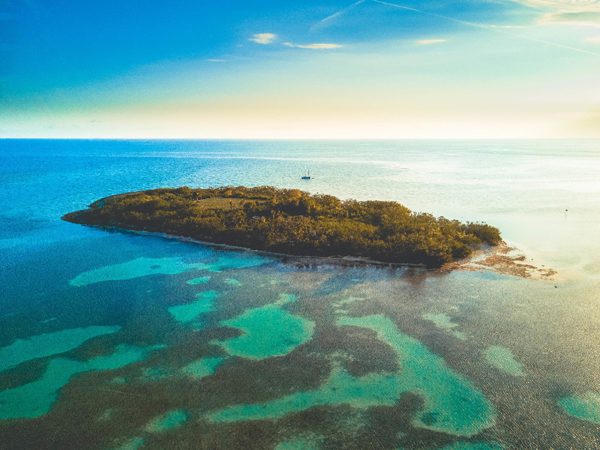
Hemingway’s relationship with Key West was strongly connected to the sea. He fished extensively in the waters around the island, and his experiences offshore influenced his writing and his identity. His famous novel The Old Man and the Sea was published years after his Key West residence, but his lifelong fascination with fishing, the ocean, endurance and the relationship between humans and nature was deeply connected to his experiences on the water.
Visitors interested in Hemingway’s world should therefore look beyond the house. Walk around the historic waterfront. Visit the marinas. Watch fishing boats return with their catch. Spend time near the docks and imagine the island as Hemingway encountered it, when fishing was less a recreational tourism industry and more deeply embedded in everyday Key West life.
Read Key West Through Its Other Writers

Hemingway may dominate the literary conversation, but Key West has attracted plenty of other writers. Tennessee Williams spent significant periods living in Key West, and the island became an important part of his life and creative world. His former home is another literary landmark worth seeking out, particularly for travelers interested in American theater.
The island has also attracted poets, novelists, journalists and artists who were drawn to its combination of isolation, tropical scenery, unconventional characters and distance from the mainland. That combination is important. Key West has historically been a place where people could disappear from ordinary life for a while, reinvent themselves or simply live differently. It isn’t difficult to understand why writers found the place appealing.
Explore the Old Town That Writers Knew
Literary history becomes more interesting when you leave the museums behind and simply walk. Old Town contains some of Key West’s oldest streets and buildings, many surrounded by tropical gardens and enormous trees. Historic wooden homes sit alongside restaurants, galleries, cafés and bars, creating a neighborhood where centuries-old architecture and modern tourism coexist.
Walk slowly rather than following a strict route. Look at the porches, gardens, shutters and narrow streets. Imagine the island before smartphones, cruise ships and Instagram existed. Key West has changed dramatically, but enough of its historic character remains to make that mental exercise surprisingly easy.
Visit the Key West Cemetery
For travelers fascinated by history, the Key West Cemetery provides another unusual window into the island’s past. Established in the 19th century, the cemetery contains generations of residents whose lives reflect Key West’s maritime and multicultural history. The unusual above-ground graves are also a reminder of the island’s geology and vulnerability to water. Reading the names and dates on the headstones can make the island’s history feel remarkably personal. Instead of learning about Key West as an abstract destination, you begin encountering the people who actually built their lives there.
Eat Seafood Like a Local
Eventually, even the most dedicated literary pilgrim needs lunch. Key West’s history is inseparable from the ocean, so seafood should be part of your itinerary. Stop at Eaton Street Seafood for local favorites including Key West pink shrimp, stone crab claws, lobster and locally caught fish.
For literature lovers, there is something particularly satisfying about connecting the food on your plate with the environment that shaped the island’s history. Hemingway spent countless hours around boats and fishermen, and the maritime culture that surrounded him remains part of Key West today. Eating fresh seafood while surrounded by the same tropical waters that fascinated generations of writers makes the connection between place and story feel very real. Stone crab claws are especially worth trying when they are in season, while Key West pink shrimp provide another local specialty.

Go Fishing in Hemingway’s Backyard
If you really want to understand Hemingway’s relationship with Key West, spend a day on the water. Fishing was a major part of his life, and modern visitors can experience the same waters from a fishing charter. Seize the Day offers fishing trips from Key West for visitors who want to pursue local species with an experienced crew. Head offshore in the early morning and watch the island disappear behind you. The buildings become smaller, the horizon opens, and the world becomes water, sky, weather and whatever happens to be swimming below.
Even without catching a fish, the experience provides a useful perspective on Hemingway’s fascination with the sea. It is easy to understand why an environment this vast and unpredictable could become such powerful material for a writer.
End the Day with a Key West Sunset
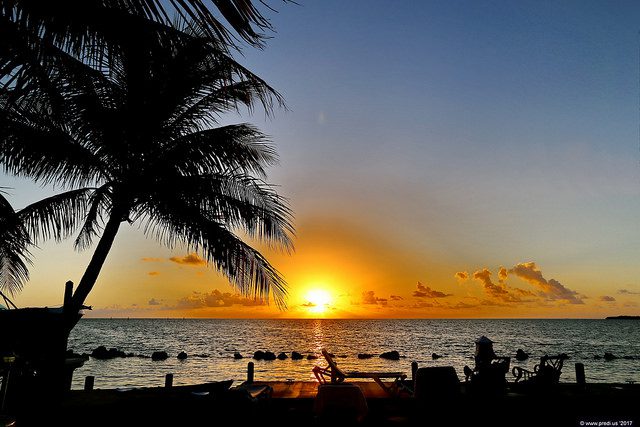
After exploring literary landmarks and spending hours thinking about writers, fishermen and the history of the island, head toward the western waterfront. Key West sunsets have become famous, but there is nothing wrong with joining the tradition. As the sun sinks toward the horizon, the sky turns orange, pink, purple and gold while boats drift across the water. For a few minutes, the island becomes almost completely quiet beneath the spectacle. Then the streets come alive again.
Find a restaurant, listen to some music, have another drink or wander through Old Town beneath the tropical night sky.
Read the Island Slowly
Key West is particularly rewarding for travelers who enjoy literature, because the island encourages you to connect places with stories. You can stand inside Hemingway’s former home, visit the lighthouse he would have known, walk streets filled with historic buildings, explore a cemetery filled with generations of island residents, eat seafood connected to the surrounding waters, and head offshore to experience the fishing culture that remains central to Key West.
The result is more than a literary vacation. It is a chance to experience the setting behind the stories. Bring a book, leave some space in your itinerary and explore Key West slowly.
The post Key West for Literature Lovers: Hemingway, History, Seafood and the Sea appeared first on Deep South Magazine.