Mauritius and the Business of Living Well – A Benchmark for Better Living
The quality of life in Mauritius has become one of the country’s strongest competitive advantages for international investors and professionals. Mauritius Quality of Life: A Strategic Advantage for Global Investors Maintaining one of Africa’s highest per capita income levels, Mauritius has been classified by the World Bank as a high-income economy since 2019. Although the […] The post Mauritius and the Business of Living Well – A Benchmark for Better Living appeared first on Time Africa.
 Black News
The quality of life in Mauritius has become one of the country’s strongest competitive advantages for international investors and professionals.
Mauritius Quality of Life: A Strategic Advantage for Global Investors
Maintaining one of Africa’s highest per capita income levels, Mauritius has been classified by the World Bank as a high-income economy since 2019. Although the economy faced pressure from the pandemic and climate-related shocks, the country continues to operate on an upper-middle-income foundation while pursuing policies aimed at restoring high-income status.
Located in the southwestern Indian Ocean, Mauritius consistently ranks among the highest-performing countries in Africa across global development indicators.
Top-Tier Rankings in Human Development and Social Progress
According to the United Nations Development Programme, Mauritius stands out globally:
- It is one of only two sub-Saharan African countries, alongside Seychelles, classified in the “Very High Human Development” category, with an HDI score of 0.806.
- The country ranks first in Africa on the Social Progress Index and 56th globally.
- It reflects exceptionally strong performance in healthcare, education, personal rights, and basic living conditions.
- Life expectancy stands at approximately 75 years, supported by an extensive public healthcare system and broad access to medical services.
Much of Mauritius’s standard of living rests on government-funded social services that reduce major household costs. Mauritian citizens receive free healthcare through public hospitals and clinics across the country.
Education, Healthcare, and Transport Subsidies
-
Universal Healthcare: Mauritian citizens receive free healthcare through public hospitals and clinics across the country.
-
Free Education: Education is completely free from pre-primary school through the university level, with schooling remaining compulsory until the age of 16. The island boasts a literacy rate exceeding 91%.
-
Subsidized Mobility: The government subsidizes public transportation for students, senior citizens, and people with disabilities, reducing transport costs and improving island-wide mobility.
A Trusted, Hybrid Legal System for International Business
The legal framework remains central to the country’s reputation. Mauritius follows a hybrid legal structure combining French civil law and British common law traditions. “Mauritius is one of the great examples of democracy with elections every five years under the Westminster system of government. The courts in Mauritius are generally very impartial. That’s why we looked at making Mauritius a hub for the settlement of commercial disputes and arbitration for cross-border investments,” says Graeme Robertson, Group Chairman of Intrasia Capital.
The island signed investment protection agreements and double taxation treaties with numerous countries across Africa, Europe, Asia, and the Middle East. Those agreements shaped Mauritius into a preferred jurisdiction for structuring cross-border investments. Investment funds, holding companies, family offices, and multinational firms frequently use Mauritian entities for regional operations.
“Mauritius gives you a combination of both a professional environment and a lifestyle built around warmth, hospitality, and quality of living.” – Andre Viljoen, CEO, Air Mauritius
The framework matters because international investors increasingly seek predictability over scale. The country’s banking sector expanded alongside that reputation. Domestic banks, private banks, and pan-African financial institutions operate from Mauritius. Cross-border trade finance continues to grow as African commercial activity deepens between regions. “Mauritius is in an outstanding position as a financial center for Africa,” Robertson says. “The opportunity in trade finance and cross-border trade is becoming very prominent.”
A residential and lifestyle environment has also emerged in Mauritius that continues to attract internationally mobile professionals. The island maintains relatively strong public infrastructure standards. Roads remain functional across most economic zones. Telecommunications networks support international business operations. Fiber internet coverage expanded significantly over the last decade. International schools operate across major residential districts. Private healthcare services continue expanding through local and foreign investment.
Expat Infrastructure and Luxury Coastal Living
Mauritius also maintains one of Africa’s strongest passports. According to the Henley Passport Index, the Mauritian passport ranks 25th globally and provides visa-free or visa-on-arrival access to 147 destinations worldwide. The level of mobility strengthens the country’s attractiveness for internationally connected entrepreneurs, investors, and professionals.
Connectivity, Schooling, and Premium Healthcare
The island maintains exceptionally strong public infrastructure standards designed to support modern businesses:
-
Fiber Internet & Road Networks: Telecommunications networks are highly advanced, with fiber internet coverage expanding significantly over the last decade. Roads remain fully functional across all major economic zones.
-
International Education: Highly rated international schools operate across major residential districts.
-
Private Healthcare: High-end private healthcare options continue to expand rapidly through local and foreign investments.
Mauritius also benefits from a social composition shaped through centuries of migration and trade. Indian, African, Chinese, and European influences coexist within a relatively integrated commercial culture. English functions as the official language of administration. French dominates much of the business and media. Creole remains widely spoken across everyday life. The multilingual environment reduces friction for international firms establishing regional operations. Professionals from Europe, Africa, Asia, and the Gulf generally adapt quickly to the business environment because the country already operates through overlapping commercial traditions.
Foreign residency frameworks accelerated that expansion. Investors, retirees, entrepreneurs, and professionals can secure residence permits through property investment, occupation permits, or retirement schemes under defined thresholds. South Africans, Europeans, Indians, East Africans, and increasingly West African entrepreneurs maintain residences on the island.
Pathways to Mauritian Residency for Expats
Foreign residency frameworks have accelerated the island’s population expansion. Investors, retirees, entrepreneurs, and professionals can secure residency permits through:
-
Property Investment (Buying real estate in approved schemes)
-
Occupation Permits (For professionals and self-employed individuals)
-
Retirement Schemes (Under highly accessible defined financial thresholds)
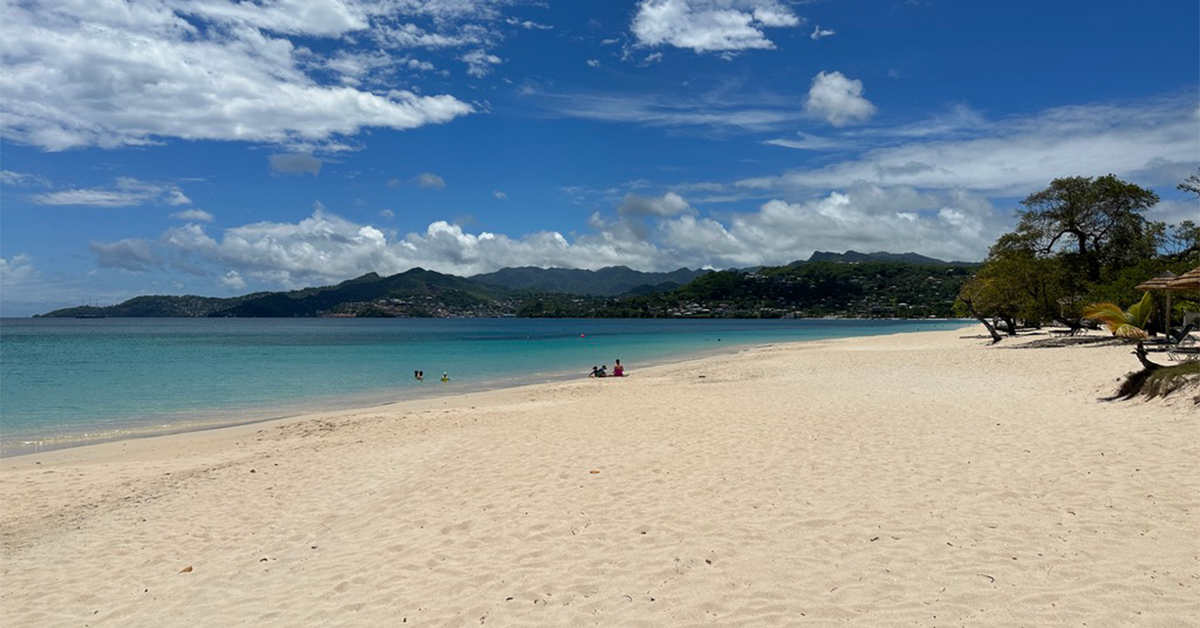
The quality of life component becomes increasingly important as global wealth becomes more mobile. Investors evaluate healthcare access, air connectivity, climate, education systems, safety, and personal mobility alongside taxation and market access. Mauritius performs strongly across many of those categories. Commute times remain shorter than in many major international business centers. Coastal living remains accessible within short distances from commercial districts, and outdoor recreation forms part of everyday life rather than a seasonal luxury.
Download the full Mauritius report in PDF format here.
The post Mauritius and the Business of Living Well – A Benchmark for Better Living appeared first on Time Africa.









.jpg?width=1200&auto=webp&crop=3:2#)