Modern Vehicles Are Getting Smarter, but Parking Accidents Are Still Happening
Discover why modern vehicles face parking accidents despite advancements. Explore solutions and insights on preventing these mishaps today.
 Black News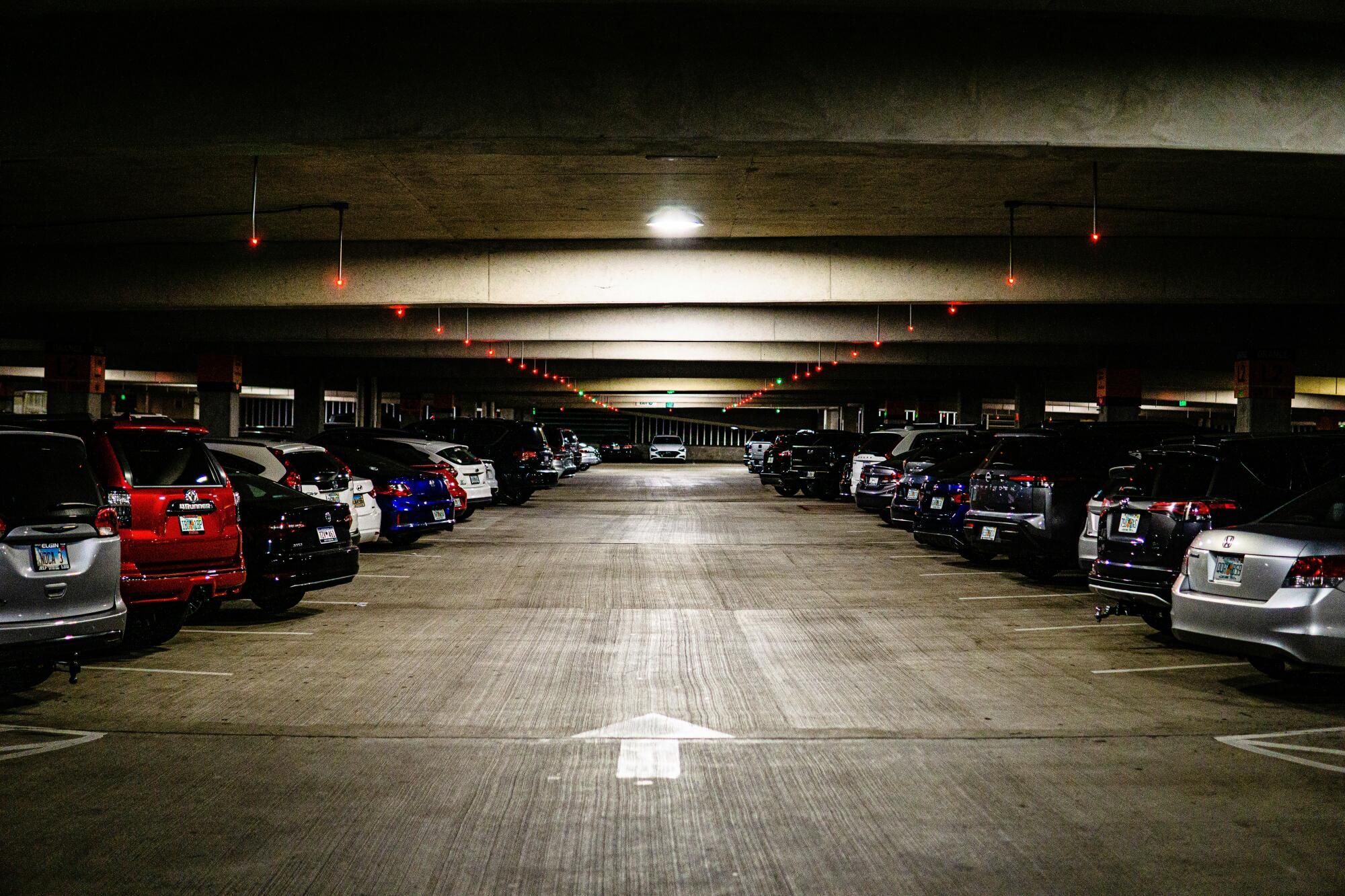

Cars are more advanced now, but parking accidents are still common because too many drivers have become overreliant on the technology. There are still sensor blind spots, systems can become miscalibrated, and poor weather can cause problems by blocking sensors. As a responsible driver, continue to use mirrors, perform physical walk-arounds, and keep your car’s system healthy with maintenance checks.
Transline Industries reports that 20% of vehicle accidents happen in parking lots, and the incidents seem to increase around the holiday shopping season. Failure to treat parking spaces with the same respect as the road can lead to a collision. With a few parking adjustments and understanding that car technology is an assistant tool but doesn’t replace good driving, people can help reduce these incidents.
Why Do Parking Accidents Still Happen?
As you’re cruising in your advanced ride decked with all the latest infotainment and assistive touches, it might be easy to let your guard down, especially when parking. However, even with car technology, being distracted by your phone or navigation system matters and affects safety.
Parking lots may have:
- Complex layouts
- Poor visibility
- Blind spots
You’re not only dealing with other drivers, but also pedestrians who may exhibit unsafe behavior, such as darting in front of moving cars and not looking around.
Backing out of spaces accounts for a major share of parking accidents, especially when people are over-relying on backup cameras. These situations can fail to show small children, pets, or cross traffic.
Taller cars, such as SUVs and oversized trucks, have even larger blind spots than your standard car. Full parking lots are very tight, making them difficult to fully maneuver around.
In addition to cars, there may be common road safety concerns, like potholes. Poor lighting and faded pavement markings can force you to take sudden actions, like swerving.
What Are Smart Behaviors for Car Accident Prevention?
Don’t let vehicle technology advancements make you forget about those car mirrors on the side and front.
Treat your smart parking systems as a backup for preventing parking accidents, while always checking mirrors and looking over your shoulder.
Be aware of all those distractions inside the car, from music to phone calls. Before starting to back out, put your phone away or use Do Not Disturb mode.
When using GPS driver assistance features, choose your route before putting the car in drive mode. Get the entertainment system from the music station to your favorite podcast set as well. However, make sure what you’re listening to isn’t blasting, as you need to be able to hear audio warnings like sirens or horns.
If you have passengers, make sure they respect your car and driving rules as much as you do. They can help look out for hazards and be mindful of keeping their voices low to not distract you.
What Should I Know About Parking Accident Rules?
Drivers in parking lots still deal with right-of-way and liability rules, even in lots of private spaces.
Do parking lot accident rules differ from road accidents? The answer is no; the negligent party is at fault in both types of collisions. However, investigations may differ as parking lots don’t have traffic lights and lane markings.
States can have varying regulations for parking lot speed. California’s parking lot speed limit can be 15 in some cities or 10 in others.
When parking accidents occur, follow the same procedure as you would for an accident on the road. That means stopping and exchanging information with the other driver.
Try to communicate with the driver of an unattended car you hit, which may include waiting for them or leaving a note with your info.
Document everything as much as possible from:
- Photos of the damage
- Obstructions causing damage
- Signs and markings
- Witnesses
- Vehicle positions
Always call the police and your insurance agent immediately. Even if it’s just a fender bender, still take these steps.
Frequently Asked Questions
What Age Group Speeds the Most?
According to data from the National Safety Council, younger drivers between the ages of 15 and 20 have the highest proportion of speeding incidents leading to fatal crashes. Male drivers in this range are the most likely to speed.
Across all ages, male drivers are more likely to speed than female drivers. Speeding-related fatal crashes in older drivers decrease as the driver’s age increases.
Are Cars Safer Now than 10 Years Ago?
Yes, overall, cars are safer than they were a decade ago, in part due to crash-avoidance technology. Cars have features such as automatic emergency braking and blind spot monitoring. Lane-keep assist has become widely available and helps to prevent collisions.
Structural engineering through advanced high-strength steel and precisely engineered crumpled zones can absorb impact energy. As a result, passengers have a better chance of survival with their cabins remaining intact after a collision.
Organizations such as the Insurance Institute for Highway Safety have introduced tougher crash tests over time. As a result, automakers must improve their roof strength and small overlap crash protection.
Despite these improvements, there are still a high number of American traffic fatalities each year. While there are advanced technologies, human factors, such as distractions and taller, heavier cars, have created more danger to those on the road, especially pedestrians.
Learn Safe Parking Without Machine Help
Parking accidents may be more common than expected, but don’t forget they’re preventable. Your slick advanced car technology is here to assist you, but not to do all the driving, so you don’t have to. Don’t forget rules and basic safety practices, from using your mirrors to backing out slowly.
Take a little extra time to park a certain way, such as backing in, which makes it easier to pull out later. Not being in a rush and walking around to double-check your area for obstructions can help avoid a potentially devastating incident. Always ensure your music and other entertainment remain background noise, since you want to hear potential warnings the minute you put the car in drive.
Do you want to learn more about cars and safe driving? Check our website for more relevant content.