Nigeria’s 2050 Plan to Protect Its Children
Nigeria is taking a long view on its most valuable resource; its children. This week in Abuja, the Federal Government, UNICEF, and other key stakeholders gathered for the Child Foresight Analysis Roadmap Validation Exercise, a milestone event under the Anticipatory Governance and Foresight Capacity Programme. The goal is ambitious: to build a framework that shapes […]
 Black News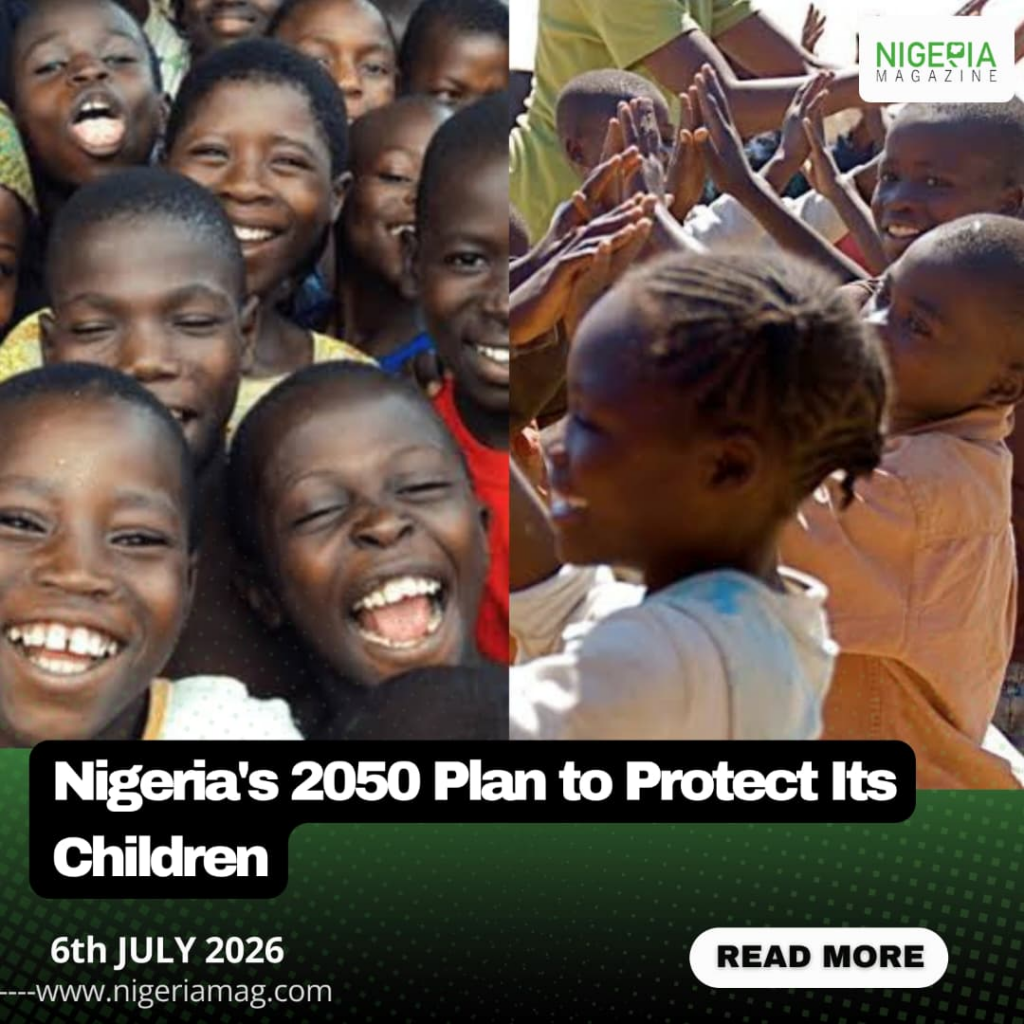
Nigeria is taking a long view on its most valuable resource; its children. This week in Abuja, the Federal Government, UNICEF, and other key stakeholders gathered for the Child Foresight Analysis Roadmap Validation Exercise, a milestone event under the Anticipatory Governance and Foresight Capacity Programme. The goal is ambitious: to build a framework that shapes the wellbeing of Nigerian children all the way to the year 2050.
Why Now, and Why 2050?
The math is simple but powerful. Children make up more than half of Nigeria’s population. That means the decisions made in government offices today will ripple through the lives of the majority of Nigerians for decades to come. Rather than reacting to crises as they emerge, the initiative is designed around foresight; anticipating the challenges and opportunities children will face, and building policy that’s ready for them in advance.
The programme is coordinated by the Office of the Vice President, working alongside the Office for Strategic Preparedness and Resilience (OSPRE), with technical backing from UNICEF. Importantly, this is a government-led effort. UNICEF’s role is to bring global expertise in foresight and anticipatory governance, not to dictate the agenda.
Children as Partners, Not Just Beneficiaries
Perhaps the most striking feature of this roadmap is its approach to participation. Officials leading the exercise were clear that children and adolescents have been consulted directly since the planning process began, with their perspectives feeding into the roadmap rather than being filtered through adult assumptions alone. Consultations have already taken place in different parts of the country, giving the process a genuinely nationwide character.
This matters because it reframes children not as passive recipients of policy, but as active contributors to decisions that will shape their own futures; and the future of the nation they will one day lead.
Addressing a Long-Standing Gap
Officials from OSPRE also acknowledged something important: children and adolescents have historically been excluded from public policy formulation in Nigeria. This roadmap is being positioned as a corrective step, with young people’s aspirations and perspectives shaping both the long-term vision and current government programmes.
The initiative is also designed to align with continental and global frameworks, including African Union development goals, positioning it within a broader push for intergenerational equity across the region.
What This Means Going Forward
A roadmap is only as strong as its implementation. For a plan of this scale; stretching over two decades; the real test will be whether the foresight work translates into sustained funding, policy follow-through, and continued inclusion of young voices as the framework moves from validation to action.
For those working in education equity and child welfare across Nigeria, this is a development worth watching closely. A government-led, child-informed roadmap toward 2050 offers a rare opportunity to build systems that serve children not just today, but for the generation after them.