
Nigeria’s car import market tightens with new rules targeting large-engine vehicles
Nigeria is stepping up its push toward cleaner transport and fiscal reform with a new tax on imported large engine capacity vehicles, as the government seeks to balance revenue generation with its broader energy transition agenda.
 Black News


Nigeria is stepping up its push toward cleaner transport and fiscal reform with a new tax on imported large engine capacity vehicles, as the government seeks to balance revenue generation with its broader energy transition agenda.
- Nigeria has introduced a new tax on imported vehicles with large engine capacities to support cleaner transport and fiscal reform.
- The surcharge ranges from 2% to 4% and applies to cars with engines above 2,000cc, effective from July 1, 2026.
- Smaller vehicles, mass transit buses, electric vehicles, and locally assembled cars are exempt from the levy.
- This policy is part of broader fiscal changes, including reduced import tariffs and adoption of the ECOWAS tariff structure.
The measure, approved by President Bola Tinubu introduces a surcharge of between 2% and 4% on imported vehicles with high engine capacities under the country’s 2026 fiscal policy framework. It is set to take effect from July 1.
According to an official circular, vehicles with engine sizes between 2,000cc and 3,999cc will attract a 2% levy, while those with 4,000cc and above will be charged up to 4%. Smaller vehicles under 2,000cc, mass transit buses, electric vehicles (EVs), and locally assembled cars are exempt.
The policy reflects Nigeria’s effort to align economic reforms with environmental goals, as the country grapples with rising transport emissions and heavy reliance on imported used vehicles.
It also signals a gradual shift toward cleaner mobility, with EVs and local assembly positioned as central to the transition.
Policy mix targets emissions cuts and industrial growth
The tax forms part of a wider fiscal overhaul that includes a reduction in import tariffs on fully built passenger vehicles from 70% to 40%, alongside adjustments to excise duties and full adoption of the ECOWAS Common External Tariff.
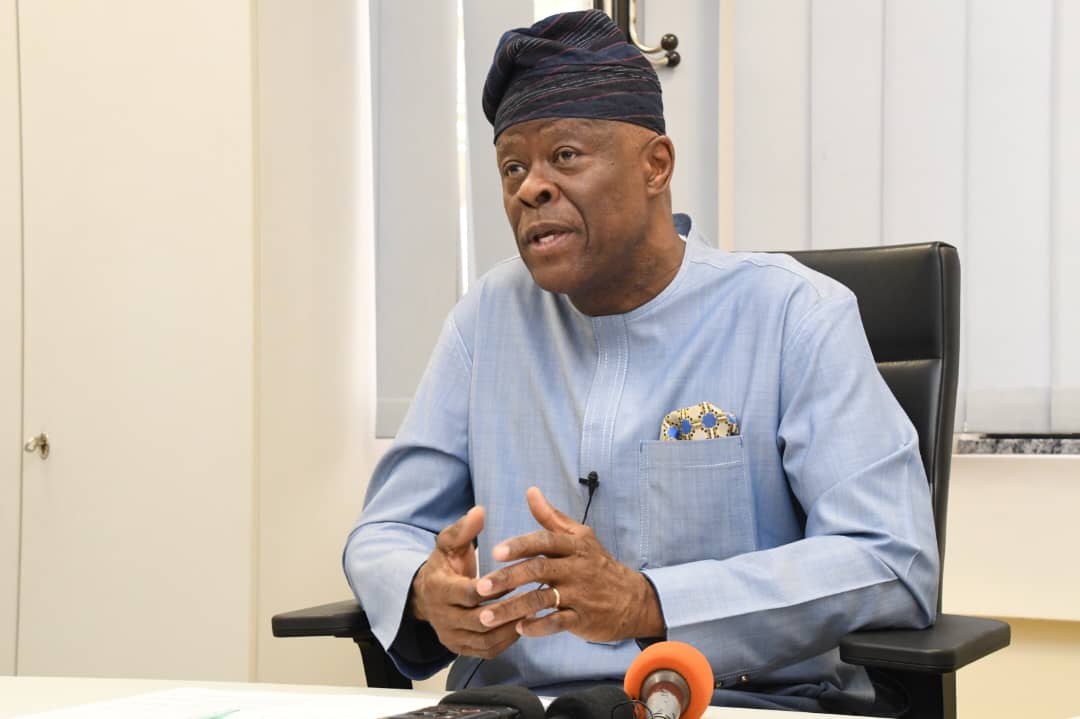
Finance Minister Wale Edun said the new framework replaces the 2023 fiscal policy and will be gazetted, with a 90-day transition period for importers and manufacturers.
Nigeria, one of Africa’s largest economies, continues to face pressure to balance revenue needs, inflation concerns, and environmental sustainability in its transport sector.
Officials say the new structure is designed to discourage high-emission imports while supporting domestic manufacturing and easing cost pressures on consumers.
Analysts describe the approach as a pragmatic blend of climate policy and economic reform, combining targeted green levies with tariff cuts to stimulate activity in the automotive sector.
Exemptions for EVs and locally produced vehicles align with Nigeria’s ambition to reduce fossil fuel dependence and meet international climate commitments under the Paris Agreement.
For automakers, the policy could reshape Nigeria’s import market, especially for luxury and high-displacement vehicles, while creating opportunities for firms investing in local assembly and electric mobility solutions.













.png)


