Northern Nigeria’s hunger hits worst level in almost a decade as 17 million face food insecurity, UN seeks $89 million
Northern Nigeria’s food crisis has reached its worst level in almost a decade as escalating conflict, worsening humanitarian access and shrinking international funding leave millions without enough food, according to the United Nations World Food Programme (WFP).
 Black News

![Northern Nigeria’s hunger crisis hits worst level in almost a decade as UN seeks $89 million[globalcitizen]](https://ocdn.eu/pulscms/MDA_/90fe88d8950440eabcc8448a71fcb409.jpg)
Northern Nigeria’s food crisis has reached its worst level in almost a decade as escalating conflict, worsening humanitarian access and shrinking international funding leave millions without enough food, according to the United Nations World Food Programme (WFP).
- The World Food Programme has warned that northern Nigeria is facing its worst hunger crisis in nearly a decade, driven by conflict and shrinking humanitarian aid.
- Around 17 million people are experiencing crisis-level food insecurity, including more than 10,000 facing catastrophic hunger.
- The UN agency says an $89 million funding gap is severely limiting its ability to provide life-saving food assistance.
- Without urgent donor support, millions of vulnerable Nigerians risk falling deeper into hunger and malnutrition.
The UN agency warned on Thursday that the country’s food security situation is deteriorating faster than previously anticipated, saying it urgently needs $89 million over the next six months to sustain food, nutrition and logistics support across northern Nigeria.
According to WFP, the latest Cadre Harmonisé food security analysis shows that more than 17 million people across nine conflict-affected northern states are experiencing crisis, emergency or catastrophic levels of food insecurity, almost two million more than projected in the previous assessment.
“Conflict is driving hunger in some northern states, particularly the northeast, to levels not seen in almost a decade,” the agency said in the statement.
The situation is particularly severe in Borno State, where renewed insurgent attacks and cuts to humanitarian assistance have left more than three million people acutely food insecure.
DON'T MISS THIS: United Nations to shut 150 clinics in Africa's most populous country amid aid cuts
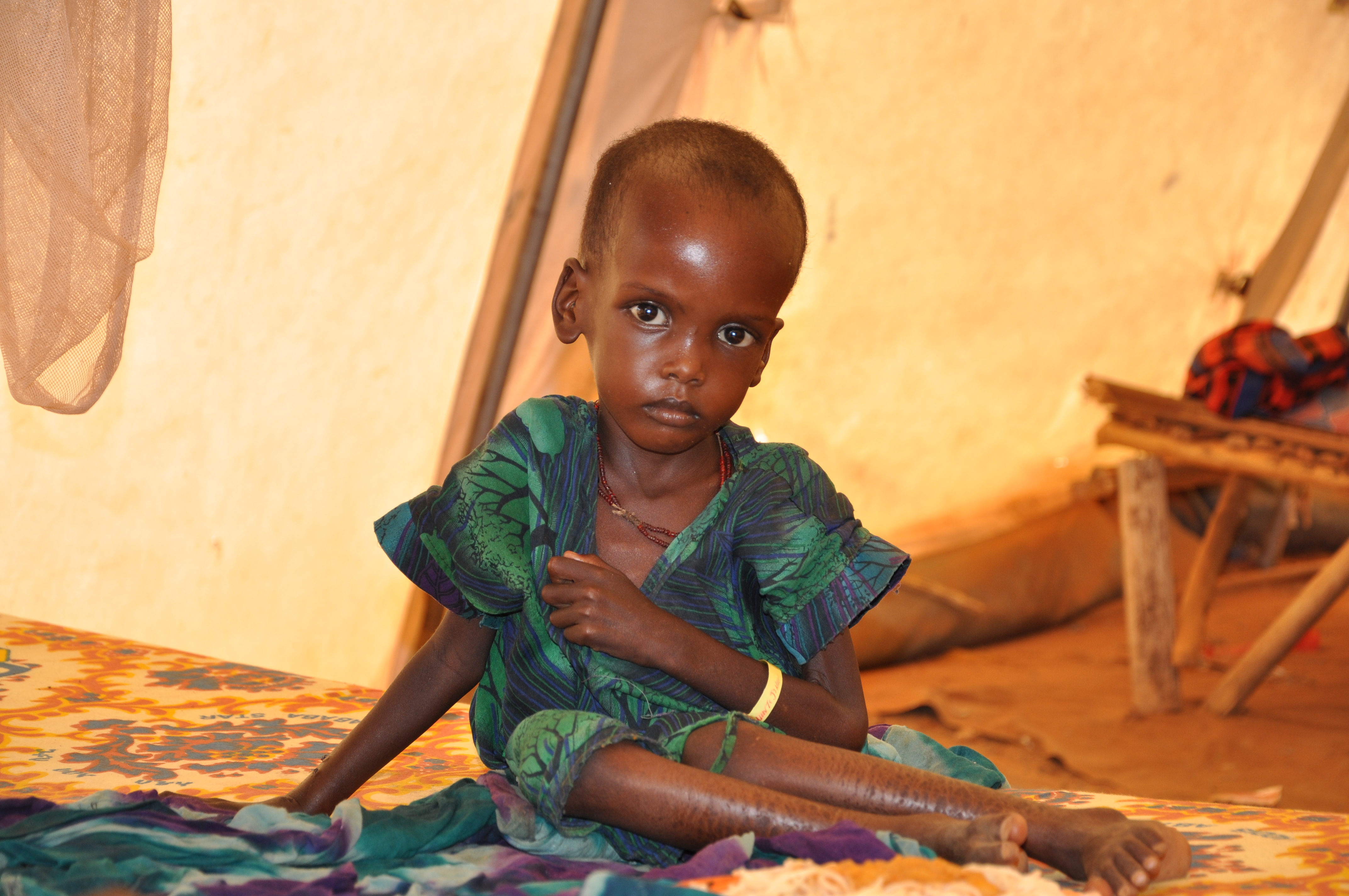
More than 750,000 people are experiencing severe hunger, while over 10,000 people have fallen into catastrophic hunger, the highest level of food insecurity.
“What concerns us most is how this crisis is expanding,” said Kinday Samba, WFP Regional Director for West and Central Africa.
“For years, insurgent attacks and violence were largely concentrated in parts of northeast Nigeria. Today, they are spreading across a much wider area and forcing people from farmland, driving displacement and restricting humanitarian access, meaning hunger is quick to follow.”
Humanitarian operations under strain
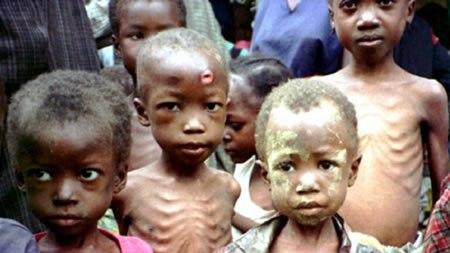
WFP said deteriorating security and severe funding shortages are making it increasingly difficult to reach vulnerable communities.
The number of locations inaccessible to frontline humanitarian workers has doubled, with 15 additional areas now classified as partially inaccessible.
Attacks and illegal checkpoints along major transport corridors are also disrupting the movement of relief supplies, while in several locations WFP’s air transport service remains the only reliable means of delivering aid.
DON'T MISS THIS: Key UN agencies set to exit Nigeria as US aid cuts spark hunger in IDP camps
Funding shortages have meanwhile forced the agency to scale back operations dramatically.
Although 6.2 million people are currently food insecure across Nigeria’s three northeastern states, WFP said it has sufficient resources to assist only about 740,000 people, leaving approximately 5.5 million people, many of them children, without life-saving food and nutrition support.
The figure marks a sharp decline from the 1.3 million people WFP supported during the peak of the 2025 lean season.
The agency warned that shrinking food assistance is pushing vulnerable households towards desperate coping strategies, with some communities reporting cases of people joining armed groups in search of food or income.
It also said the suspension of food assistance in some displacement camps due to funding shortages has contributed to rising exploitation and gender-based violence, particularly affecting women and children.
“When people lose access to food, the risks of displacement, exploitation and instability increase. Yet resources are at their lowest at the time they are needed most,” Samba said.
How Nigeria got here
The latest assessment comes as insecurity continues to spread beyond Nigeria’s traditional insurgency hotspots, disrupting farming, forcing communities from their land and worsening food production across parts of the north.
The crisis has been compounded by rising climate shocks, high transportation costs and elevated food prices, making basic staples increasingly unaffordable for millions of households.
DON'T MISS THIS: United Nations to shut 150 clinics in Africa's most populous country amid aid cuts
According to the National Bureau of Statistics, food inflation remained above 16% in May 2026, underscoring the continued pressure on household purchasing power.
The WFP said the latest Cadre Harmonisé assessment focused on conflict hotspots in northern Nigeria following an escalation in attacks since the previous analysis released in November.
Overall, 36.2 million people across Nigeria are now food insecure, highlighting that the country’s food crisis extends well beyond the areas most affected by conflict.
Without fresh funding, WFP warned it may be forced to reduce operations further, increasing the risk of deeper hunger, fresh displacement and greater instability across northern Nigeria.