Otis Williams Reflects on The Temptations’ Early Struggles and ‘Slave’ Contracts
*Otis Williams, the only surviving founding member of The Temptations, is shedding light on the difficult business realities the group faced early in their career. His account points to an era when many young Black performers entered agreements that left them with little financial reward despite commercial success. Even as their popularity grew, their earnings […] The post Otis Williams Reflects on The Temptations’ Early Struggles and ‘Slave’ Contracts appeared first on EURweb | Black News, Culture, Entertainment & More.
 Black News
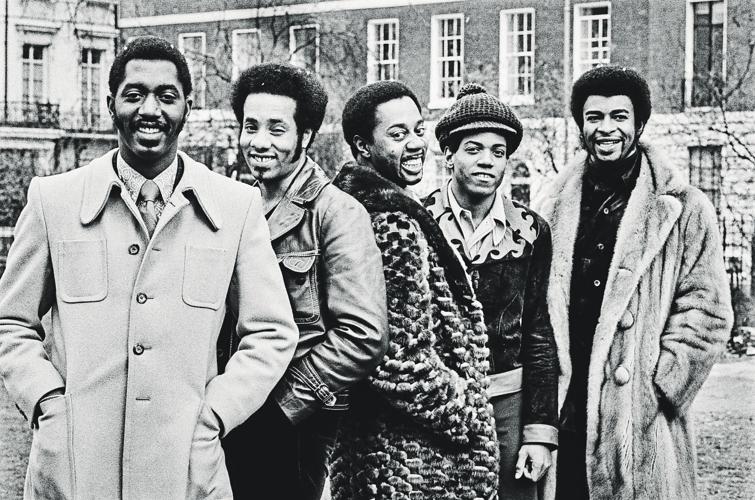
*Otis Williams, the only surviving founding member of The Temptations, is shedding light on the difficult business realities the group faced early in their career. His account points to an era when many young Black performers entered agreements that left them with little financial reward despite commercial success.
Even as their popularity grew, their earnings did not reflect their success. At a time when singles sold for close to a dollar, the members shared only a few cents per record. The Telegraph described these deals as “punitive contracts that took advantage of their age and naivety,” underscoring how inexperienced artists were often locked into unfavorable terms.
During a period when their agreement was up for renewal, producer Norman Whitfield urged the group to seek professional legal advice. Attorney Abe Somer reviewed their situation and offered a blunt assessment. “He called me and said, ‘Otis, these are “let my people go” contracts. Slavery.’ I never will forget being told that,” Williams said.

While Williams expressed admiration for Motown, he also acknowledged the harsh side of the industry. “I love Motown,” he continued, “but I’ve got to tell it the way it is. Business can be cold-blooded sometimes. And Abe Somer said, ‘We’re going to fix it so you get a better royalty rate, front money, a whole lot of other things we should be getting’ – because we’d been getting hit records.”
Disagreements within the group intensified as frustrations over money and recognition grew, particularly between Paul Williams and Eddie Kendricks. “Eddie was saying, ‘We should strike!’ I was saying, ‘Eddie, we can’t strike. Berry would just say “Fine”, and put somebody else out as the Temptations.’” Control of the group’s name by Berry Gordy meant their negotiating power remained limited.
In the years that followed, the original lineup changed significantly due to departures and personal hardships. Kendricks exited in 1971, while others, including David Ruffin and Paul Williams, faced tragic circumstances later in life. Ownership of the group’s name was eventually transferred to Williams and Melvin Franklin in 1976.
Today, Williams continues to perform, carrying forward the group’s legacy. Reflecting on his journey, he said, “I don’t want to get too sanctimonious, but I’ve gotta say, God left me here for a reason. I learnt about myself, that I was put here to do what I’ve been doing, and to hold this group together through 30 different, strong, singing young men. And I’m the last man standing,” Williams said, adding, “I never would have imagined.”
MORE NEWS ON EURWEB.COM: The Heartbreaking Story Behind The Temptations’ Hit ‘I Wish It Would Rain’
Sign up for our Free daily newsletter HERE
The post Otis Williams Reflects on The Temptations’ Early Struggles and ‘Slave’ Contracts appeared first on EURweb | Black News, Culture, Entertainment & More.