PARCEM Criticizes Repeated Cabinet Reshuffles in Burundi
Frequent government reshuffles are weakening institutional stability in Burundi, Faustin Ndikumana says, urging experienced leadership and performance-based evaluation.
 Black News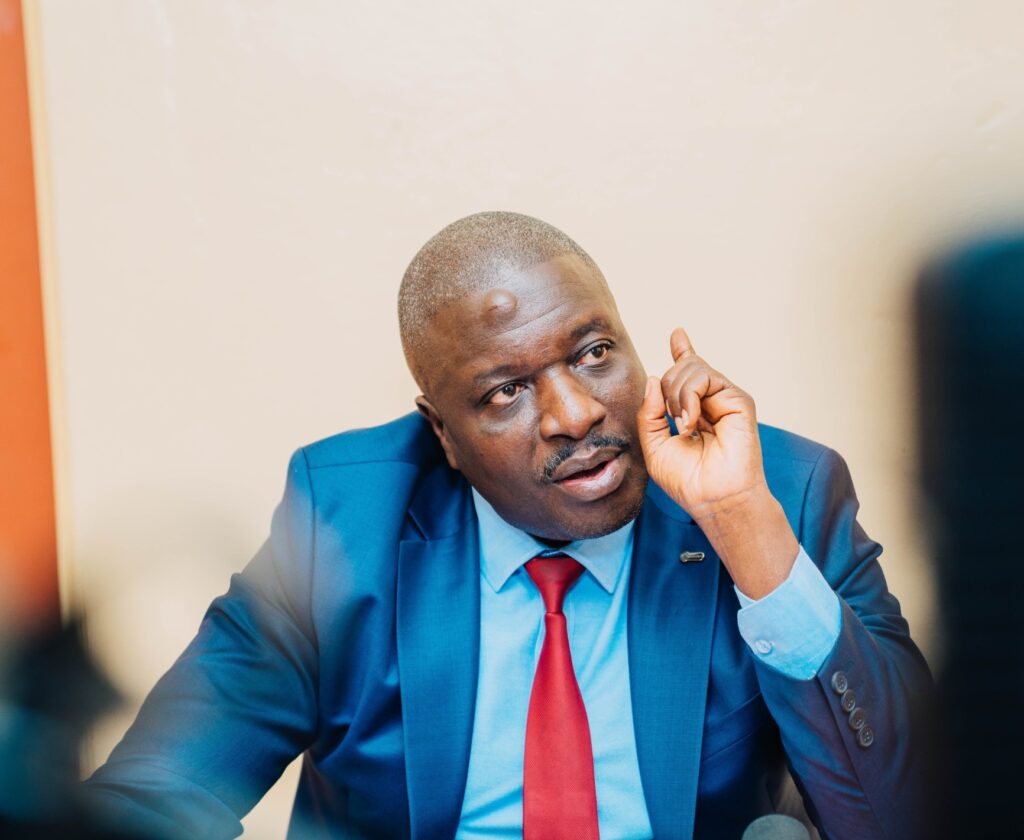
The Burundian civil society organization PARCEM has raised concerns over what it describes as frequent cabinet reshuffles, urging the government to focus on implementing its strategic plans.
The latest reshuffle, announced on April 27, marks the third such overhaul since President Évariste Ndayishimiye came to power in 2020.
Among the key changes, Égide Nijimbere replaced Damien Niyonkuru as head of the Ministry of Infrastructure, Social Housing, Transport and Equipment. At the Ministry of Health, Fidèle Nkezabahizi succeeded Lyduine Baradahana. Ambassador Évelyne Butoyi was appointed Minister of Communication and Media, filling a vacancy left after the death of former minister Gabby Bugaga in mid-April.
PARCEM attributes the repeated changes to what it sees as a failure to follow government planning frameworks. The organization says ministers are often appointed without clear mandates or measurable objectives.
“The ministers who are appointed do not receive terms of reference, objectives, or expected results to achieve within a given timeframe,” said Faustin Ndikumana.
Ndikumana also argued that political patronage influences appointments and dismissals. “Most of the time, ministers are there to serve the interests of their political sponsors, who dictate their actions. If they fail to meet those expectations, they are removed from office,” he said.
He added that competing interests in key sectors and a lack of experience among some appointees contribute to the frequent reshuffles. Strategic ministries—particularly Infrastructure—are seen as highly contested due to their links to public contracts and land management.
To address these issues, PARCEM recommends adhering to state strategic plans, appointing qualified and experienced ministers, allowing them to work independently, and evaluating them based on performance.
Since taking office, President Ndayishimiye has made several high-profile leadership changes, including at the level of prime minister. In 2022, Alain Guillaume Bunyoni was replaced by Gervais Ndirakobuca. On August 5, 2025, Ndirakobuca was in turn succeeded by Nestor Ntahontuye, then Minister of Finance, while Ndirakobuca was appointed to lead the Senate, replacing Emmanuel Sinzohagera.
The criteria for selecting new ministers remain unclear to the public. However, some changes have followed specific controversies. Ntahontuye’s appointment, for example, came after a financial scandal involving 110 million Burundian francs in uncollected public revenue.
PARCEM says greater transparency, stability, and accountability are essential for effective governance in Burundi.