Play sheds light on migrant women’s resilience, shared humanity
Dr Travis Weekes’ new theatrical work showcases the experiences of two migrant women in Trinidad and Tobago, blending themes of struggle, identity, and resilience. Don’t Call Me Baby Doll centres on two women navigating life away from their home countries. As Weekes told St Lucia Times, “These are stories of two women, two migrant women […] The article Play sheds light on migrant women’s resilience, shared humanity is from St. Lucia Times.
 Black News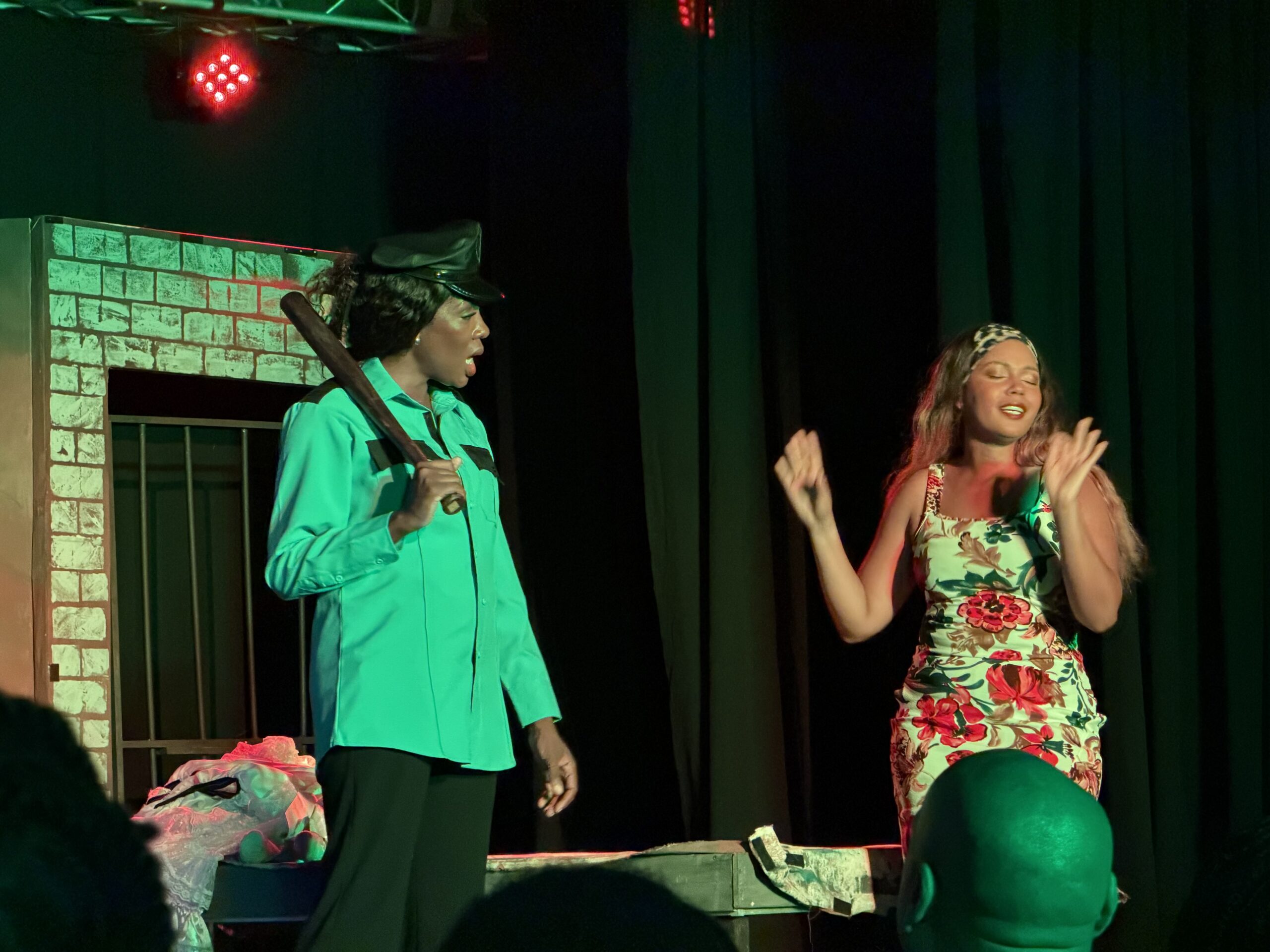
Dr Travis Weekes’ new theatrical work showcases the experiences of two migrant women in Trinidad and Tobago, blending themes of struggle, identity, and resilience.
Don’t Call Me Baby Doll centres on two women navigating life away from their home countries. As Weekes told St Lucia Times, “These are stories of two women, two migrant women in Trinidad and Tobago. So a Cuban and a Venezuelan.”
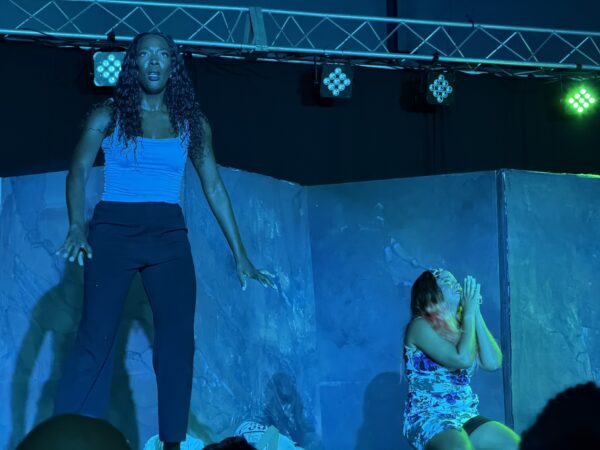
The play offers audiences a dual perspective, presenting both their experiences in Trinidad and their memories of home. “We get the stories basically of their lives in Trinidad, and we get a story of their lives in their home countries.”
While the narrative addresses hardship, the playwright emphasises that its core message is perseverance. “They share their struggles… their hurdles but what we also get, and which is most important, is the determination, the perseverance… to continue to strive for freedom and for a better life,” he said.
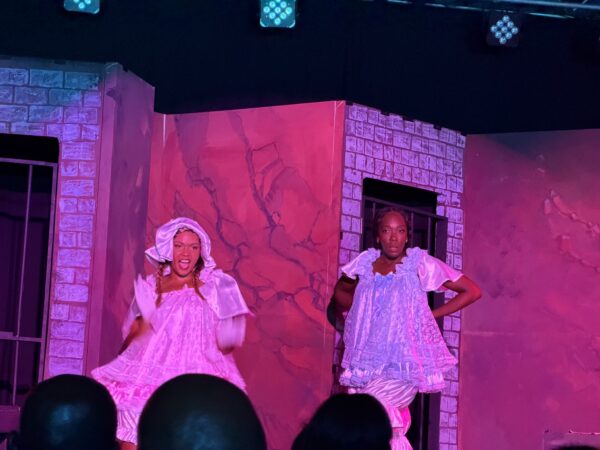
The play also highlights human connection across cultural divides. Although the two women begin as strangers, they develop a meaningful bond. “We feel the joy when we see two characters who are totally strangers, but who come together and who understand each other and who learn to appreciate each other… and are very supportive of each other.”
This theme reflects the broader aim of the work, which explores how migrant communities build relationships and find solidarity in unfamiliar environments. The production draws on real-world influences, as Weekes has spoken about identifying with migrants and learning from their experiences while living and working in Trinidad.
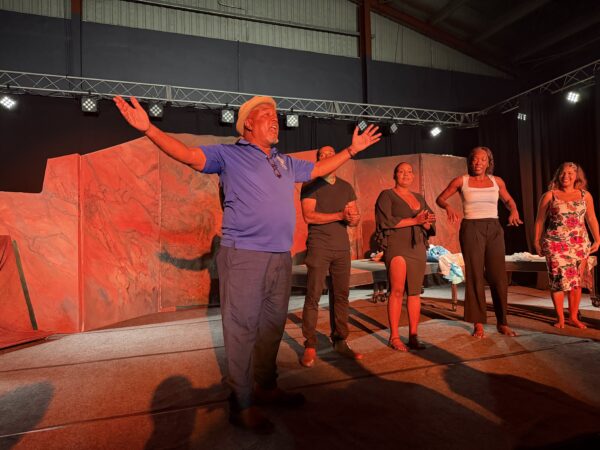
The playwright considers this production a milestone in his career. “It’s probably my most professionally produced piece of theatre to this point,” he said. While he has created other strong works, “this one is one where I was able to get a team together to help support this play and bring it to life.” He explained that the collaborative effort elevated the overall quality, with “the professionalism in the execution” standing out.
Weekes brings decades of experience to the stage, having been involved in the creative arts since his youth in the late 1970s.
For aspiring creatives, he advises, “keep learning, keep studying the craft… studying what others do… and trying,” adding that persistence is more important than perfection, especially for those new to the field.
The article Play sheds light on migrant women’s resilience, shared humanity is from St. Lucia Times.