Shilling strengthens on dollar inflows, improved investor sentiment
The Uganda shilling strengthened during the week, supported by robust dollar inflows from commodity exporters and offshore investors, even as corporate demand remained subdued. Market players noted that many corporates opted to preserve shilling liquidity to meet their end-of-financial-year tax obligations, easing pressure on the local unit. The shilling traded at 3,640/3,650 by Friday morning, a […] The post Shilling strengthens on dollar inflows, improved investor sentiment appeared first on Daily Star.
 Black News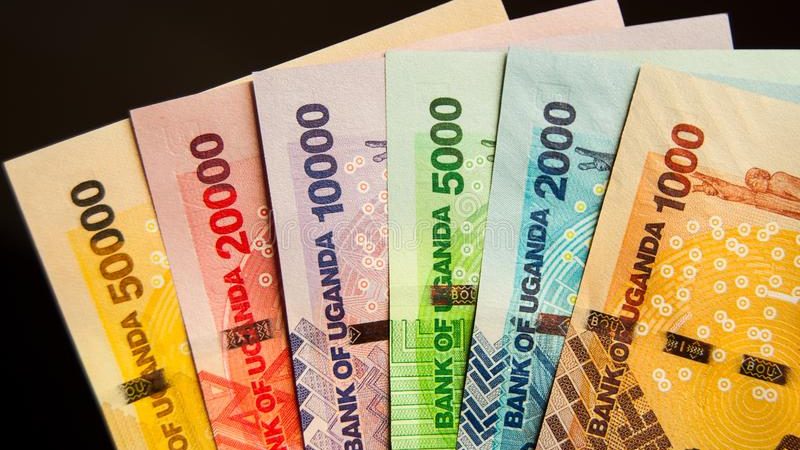

The Uganda shilling strengthened during the week, supported by robust dollar inflows from commodity exporters and offshore investors, even as corporate demand remained subdued.
Market players noted that many corporates opted to preserve shilling liquidity to meet their end-of-financial-year tax obligations, easing pressure on the local unit.
The shilling traded at 3,640/3,650 by Friday morning, a notable appreciation from the previous week’s close of 3,765/3,775. In the near term, the currency is projected to trade within a wider range of 3,600–3,720.
According to Richard Nsubuga, acting head of trading for CIB Markets at Absa Bank Uganda, money markets remained liquid throughout the week, prompting the central bank to intervene.
“The Bank of Uganda conducted open market operations on Thursday through the sale of Bank of Uganda bills and a seven-day mop-up repo,” he said.
Overnight lending rates averaged 9.56 percent during the week, reflecting elevated liquidity in the financial system.
At Wednesday’s Treasury bill auction, yields were largely unchanged as government finalised its domestic borrowing programme for the financial year. A total of Shs 266 billion was accepted, with yields on the 364-day, 182-day and 91-day tenors settling at 12.000 percent, 10.713 percent and 10.500 percent, respectively.
Regionally, the Kenyan shilling remained stable, with the USD/KES pair trading within a narrow band of 129.20–129.80 amid balanced liquidity conditions. It is expected to remain within the 129.20–130.20 range in the near term.
On the global front, improved geopolitical sentiment contributed to currency market stability. Positive developments in the Middle East, including an interim peace accord between the United States and Iran, boosted investor confidence.
Brent crude oil prices hovered around $79 per barrel on Friday and were on track for a weekly decline of about 10 percent. The drop followed improved shipping conditions in the Strait of Hormuz after restrictions on maritime traffic to and from Iranian ports were lifted.
The easing of supply disruptions saw previously stranded crude shipments resume, while Kuwait signalled plans to increase production. As a result, oil prices have largely erased gains recorded earlier in the year.
Despite these developments, the US dollar remained firm, with the dollar index holding near 100.8—its strongest level since May 2025. Markets continue to price in the possibility of further interest rate hikes following hawkish signals from the Federal Reserve.
Although the Fed maintained rates this week, updated projections indicate that about half of Federal Open Market Committee members expect at least one rate increase in 2026. The central bank also revised its inflation outlook upward, citing the economic effects of the Middle East conflict.
In currency markets, the British pound weakened to around $1.32, its lowest level since early April, after the Bank of England voted to keep its policy rate unchanged at 3.75 percent. Policymakers maintained a cautious stance, citing uncertainty linked to the energy market shocks.
Similarly, the euro slipped below $1.15, pressured by the stronger dollar despite recent rate hikes by the European Central Bank and the Bank of Japan.
Gold prices also declined, falling below $4,200 per ounce on Friday. The drop was attributed to the stronger dollar and expectations of tighter monetary policy, which offset reduced geopolitical risk following the US–Iran agreement.
Analysts say movements in global markets, particularly oil prices and interest rate expectations, will continue to influence the shilling’s performance in the near term.
The post Shilling strengthens on dollar inflows, improved investor sentiment appeared first on Daily Star.