Dangote and Peugeot Are Building Cars in Nigeria Again — And It Could Transform African Manufacturing
For decades, Nigeria went from producing cars to importing millions of used vehicles. Now, a new partnership between Dangote and Peugeot is trying to reverse that trend—and it could become one of Africa’s most important industrial stories. Nigeria was once one of Africa’s most promising automotive manufacturing hubs. During the 1970s and early 1980s, locally [...]
 Black News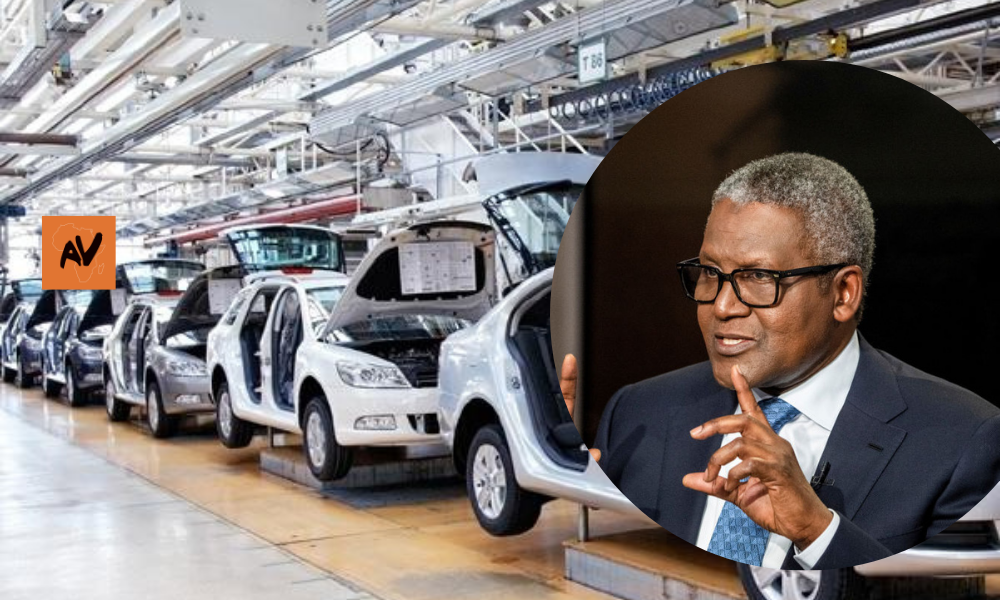
For decades, Nigeria went from producing cars to importing millions of used vehicles. Now, a new partnership between Dangote and Peugeot is trying to reverse that trend—and it could become one of Africa’s most important industrial stories.
Nigeria was once one of Africa’s most promising automotive manufacturing hubs.
During the 1970s and early 1980s, locally assembled Peugeot vehicles rolled out of Kaduna at a pace of up to 240 cars per day. The iconic Peugeot 504 became so popular that many Nigerians simply referred to it as “the Nigerian car.”
Government officials drove them. Taxi operators trusted them. For many Nigerians, Peugeot represented national industrial pride.
But economic crises, currency devaluation, and decades of policy inconsistency brought the industry to its knees.
Factories that once employed thousands slowed down or shut their doors completely. Nigeria gradually transformed from a country that assembled vehicles into one heavily dependent on imported used cars, commonly known as tokunbo.
Now, after decades of decline, vehicle production is returning to Kaduna.
And at the center of that comeback is billionaire industrialist Aliko Dangote.
The Return of Peugeot to Nigeria
Dangote Peugeot Automobiles Nigeria Limited (DPAN) is a partnership between Dangote Industries and Peugeot, a brand owned by Stellantis, the world’s third-largest automaker.
Unlike the historic Peugeot Automobile Nigeria (PAN) facility, DPAN operates from a completely new assembly plant built along the Kaduna-Abuja Expressway.
The facility began operations in January 2022 with the Peugeot 301 sedan. Since then, production has expanded to include:
- Peugeot 301
- Peugeot 508
- Peugeot Landtrek pickup
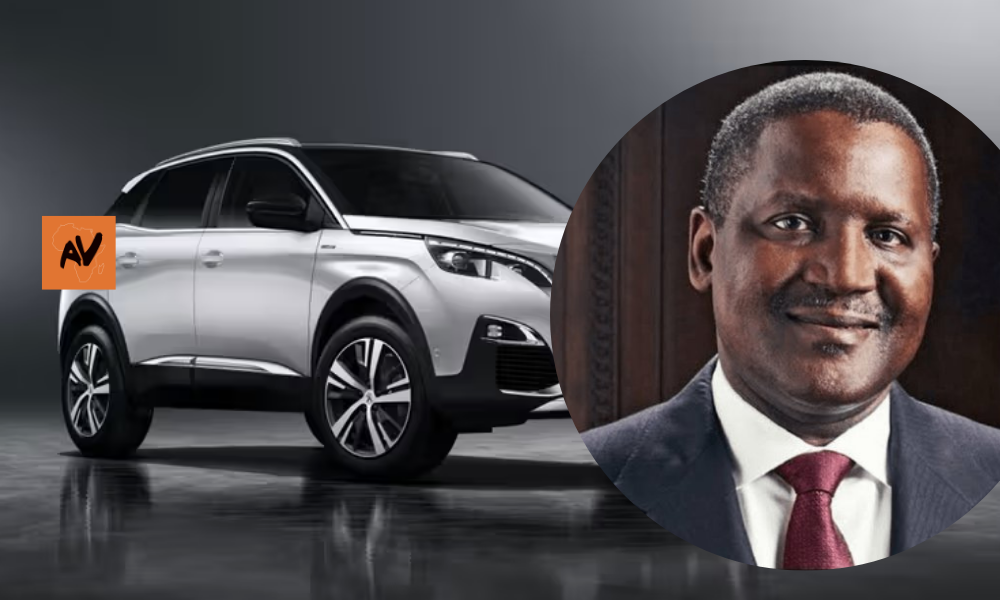
- Peugeot 3008 SUV
- Peugeot 5008 SUV
The latest additions—the Peugeot 3008 and 5008—were announced in April 2026 and represent the company’s move into the growing SUV market.
At full capacity, the plant can assemble up to 120 vehicles per day across two shifts, making it one of the most significant automotive investments in West Africa.
Why Nigeria’s Auto Industry Collapsed
To understand why this revival matters, it’s important to understand what Nigeria lost.
Between the 1970s and 1980s, Nigeria established six major vehicle assembly plants across the country. The flagship operation was Peugeot Automobile Nigeria (PAN) in Kaduna.
Within its first decade, PAN produced more than 340,000 vehicles.
However, falling oil prices, foreign exchange shortages, structural adjustment programs, and a flood of cheaper imported vehicles devastated local production.
By the mid-1990s, annual output had collapsed.
As local manufacturing weakened, imported used cars became the dominant choice for consumers.
Today, more than 70% of vehicles on Nigerian roads are still foreign-used imports.
The result is a massive outflow of foreign exchange and limited growth of local industrial capacity.
DPAN’s mission is to begin reversing that trend.
ALSO READ: Aliko Dangote Unveils Mega Refinery Project to End East Africa’s Fuel Imports
More Than Just Cars
For Nigeria, this project is about far more than selling vehicles.
Every car assembled locally creates opportunities for:
- Manufacturing jobs
- Technical skills development
- Supplier industries
- Logistics businesses
- Engineering expertise
- Tax revenues
While the current operation relies heavily on imported assembly kits, the long-term goal is to increase local content and build a domestic automotive supply chain.
If successful, Nigeria could gradually move from assembling vehicles to manufacturing more components locally.
That would represent a major step toward industrialization in Africa’s largest economy.
Why Stellantis Is Betting on Nigeria
For Stellantis, the opportunity is obvious.
Nigeria has a population exceeding 220 million people and one of the continent’s largest untapped automotive markets.
Vehicle ownership rates across Africa remain among the lowest in the world, creating enormous long-term growth potential.
The partnership also aligns with the goals of the African Continental Free Trade Area (AfCFTA), which aims to make it easier for goods produced in one African country to be sold across the continent.
A vehicle assembled in Nigeria could eventually access markets across Africa under preferential trade arrangements, strengthening the business case for local production.
Nigeria Is Part of a Bigger African Manufacturing Revival
Nigeria’s automotive comeback is happening alongside a broader continental trend.
Morocco: Africa’s Automotive Export Champion
Morocco has become one of Africa’s leading automotive manufacturing hubs, producing more than half a million vehicles annually and exporting most of them to Europe.
South Africa: The Continental Giant
South Africa remains Africa’s largest vehicle producer, hosting manufacturing facilities for global brands including Volkswagen, Toyota, and Mercedes-Benz.
Egypt: Building a Regional Hub
Egypt continues expanding local assembly operations while pursuing ambitious plans to become a manufacturing gateway between Africa and the Middle East.
Ethiopia: Africa’s Emerging Challenger
Ethiopia has begun assembling electric vehicles and has openly stated its ambition to become a major automotive manufacturing center within the next two decades.
Together, these developments suggest that Africa’s future may involve not only consuming vehicles but increasingly producing them.
ASLO READ: Aliko Dangote Appoints Daughters to Key Leadership Roles in Dangote Group
The Bottom Line
The return of Peugeot production to Kaduna will not solve Nigeria’s automotive challenges overnight.
Used imports remain dominant. Economic conditions remain difficult. And assembly is not the same as full-scale manufacturing.
Yet the significance of DPAN lies in what it represents.
For the first time in decades, Nigeria is making a serious attempt to rebuild a modern automotive industry.
If the project succeeds, it could create jobs, develop technical expertise, reduce import dependence, and position Nigeria as a manufacturing player within the African Continental Free Trade Area.
The assembly lines are moving again.
The bigger question is whether this marks the beginning of a true industrial revival—or simply another chapter in Nigeria’s long struggle to build what it once had.