In Jamaica, a Storied Luxury Resort Finds Its Way Back
You leave the bustle of Sangster International Airport, turn east toward Rose Hall, and within minutes the entrance appears behind a canopy of palms. Beyond the gate, the pace changes almost immediately. Golf carts drift quietly along shaded paths. Bougainvillea spills over white walls. Somewhere in the distance, you hear horses making their way toward […] The post In Jamaica, a Storied Luxury Resort Finds Its Way Back appeared first on Caribbean Journal.
 Black News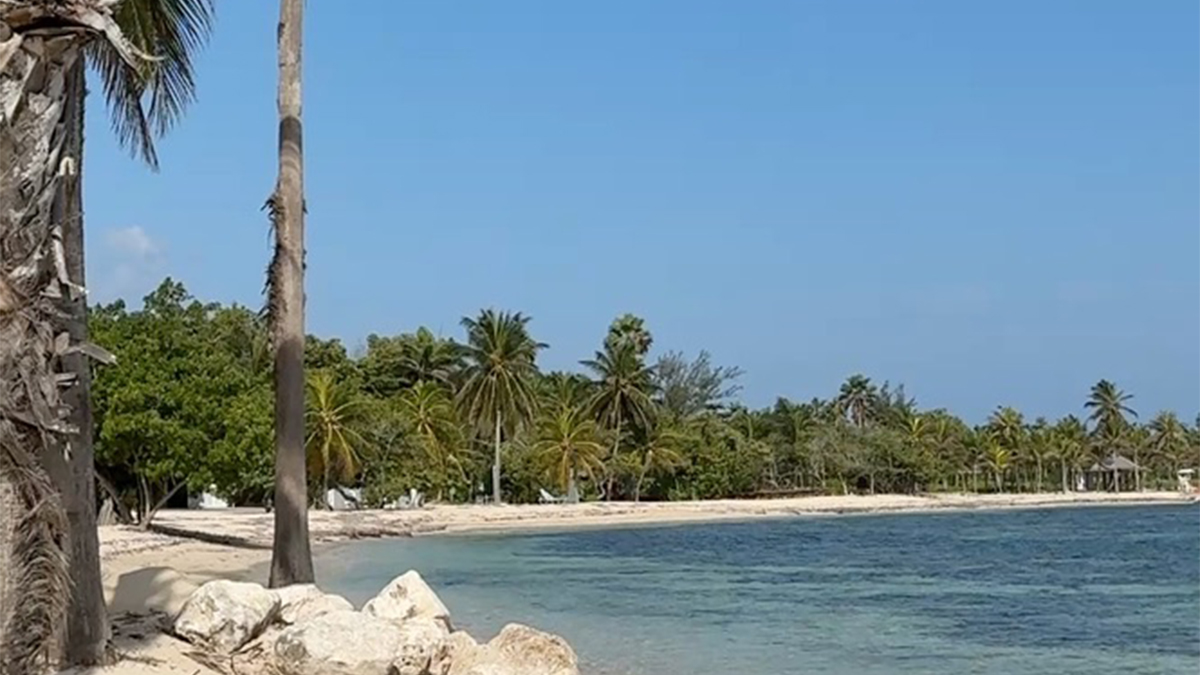
You leave the bustle of Sangster International Airport, turn east toward Rose Hall, and within minutes the entrance appears behind a canopy of palms. Beyond the gate, the pace changes almost immediately. Golf carts drift quietly along shaded paths. Bougainvillea spills over white walls. Somewhere in the distance, you hear horses making their way toward the beach, a tradition here that has become as much a part of Half Moon as the sea itself.
This is Half Moon, one of the Caribbean’s most enduring luxury resorts. After months of restoration following Hurricane Melissa, the Montego Bay landmark is once again fully open, welcoming visitors back to every corner of its 400-acre Rose Hall property.
The reopening includes Eclipse at Half Moon, the resort’s contemporary luxury enclave, along with Founders Cove, the celebrated Fern Tree Spa, the Robert Trent Jones Sr. championship golf course, the villa collection, restaurants and beaches that have helped make Half Moon one of Jamaica’s defining places to stay.
For many travelers, the return carries a deeper meaning than the reopening of another luxury resort.
Half Moon has become part of family traditions. It is where anniversaries have been celebrated, children learned to swim in the Caribbean and winter vacations gradually became annual rituals. Few resorts anywhere in the region inspire the kind of loyalty that has kept guests returning for decades.
Today, you can feel that familiar rhythm settling back into place.
A Resort That Helped Shape Caribbean Luxury
When Half Moon welcomed its first guests in 1954, Caribbean tourism looked very different.
The era of large international hotel brands was still years away, and destinations like Jamaica were introducing travelers to a new kind of vacation centered on space, warm hospitality and the natural beauty of the islands.
Half Moon quickly became one of the properties that defined that experience.
Instead of rising vertically, the resort spread across hundreds of acres of coastline, gardens and open lawns. The architecture remained understated, allowing the sea, tropical landscaping and Jamaica itself to become the focal point.
Even after decades of thoughtful additions, that feeling remains.
Walking across the property never feels hurried. One pathway leads toward the beach. Another disappears beneath flowering trees on its way to breakfast. You can spend an afternoon exploring the grounds without ever feeling like you’re crossing a sprawling resort complex.
That sense of space has become increasingly rare across the Caribbean, and it remains one of Half Moon’s greatest luxuries.
A Place That Grows With You
Some people discover Half Moon on their honeymoon.
Others arrive with young children and return years later with grandchildren.
The resort has become woven into thousands of family stories, partly because it has never tried to reinvent itself every few years. Instead, it has evolved carefully, preserving the qualities that made people fall in love with it while adding new experiences for each generation.
Many members of the staff have spent years — even decades — at Half Moon. Returning visitors often recognize familiar faces, and those familiar faces remember favorite drinks, preferred tables and the little details that transform a vacation into something personal.
It’s impossible to manufacture. It’s real, it’s organic, it’s built up over the decades.
The Names in the Guest Book
Over seven decades, Half Moon has welcomed an extraordinary collection of visitors.
Queen Elizabeth II stayed here during her visit to Jamaica. John F. Kennedy spent time at the resort before becoming president. Musicians including Paul McCartney and Johnny Cash, fashion designer Oscar de la Renta and countless actors, athletes and public figures have all chosen Half Moon over the years.
But celebrity has never become part of the performance here.
There are no reminders posted around the property and no attempt to turn famous guests into an attraction. It’s a place to hide, to be discreet, to blend into the Jamaican landscape.
Instead, those names have quietly become another chapter in the resort’s history, alongside the thousands of families who return every winter because Half Moon has become their place in the Caribbean.
The Villas That Keep Families Coming Back
Ask longtime Half Moon guests what makes the resort unique, and many won’t mention the guestrooms at all.
They’ll tell you about the villas.
Long before private villas became one of luxury travel’s biggest trends, Half Moon had already built one of the Caribbean’s finest collections.
Some are the classic Rose Hall Villas, gracious Jamaican homes that have welcomed generations of families. Their architecture reflects another era, with wide verandas, airy living rooms and gardens that have matured over decades.
Others have been completely reimagined.
Updated interiors, contemporary furnishings, private pools and expansive outdoor terraces have brought a fresh look while preserving the sense of privacy that has always defined the villa experience.
Each villa includes a dedicated staff, typically including a housekeeper, cook and butler (ask for the famous Dexton if you can). Instead of planning restaurant reservations every evening, breakfast might be prepared on your terrace while the Caribbean breeze drifts through the palms. Dinner could become a family gathering around your own table after a day spent at the beach or on the golf course.
For multigenerational vacations, milestone birthdays or holidays, the villas remain one of the Caribbean’s great hidden advantages.
You enjoy the privacy of a private home while still having full access to everything Half Moon offers, from the spa and golf course to horseback riding, restaurants and children’s activities.
Many families have been reserving the same villa for decades.
The staff has watched children grow into adults and eventually return with children of their own.
Golf That Has Defined Jamaica for Generations
For golfers, Half Moon has long been a destination in its own right.
The Robert Trent Jones Sr. championship course has challenged visitors since the early 1960s, winding through mature trees, lakes and gently rolling terrain just inland from the Caribbean. It isn’t a course that overwhelms you with length. Instead, it rewards thoughtful shot-making, careful club selection and patience, particularly when the afternoon sea breeze begins to influence approach shots.
Walking onto the first tee, you’re reminded that this is one of the courses that helped establish Jamaica as a serious golf destination.
The surroundings remain unmistakably tropical. Royal palms frame fairways, flowering trees line cart paths and birds dart between water hazards. It feels like golf could only happen here.
The resort also offers one of Jamaica’s premier golf academies, making it just as welcoming for beginners as seasoned players looking to spend several mornings on the course.
We’ve called it the Caribbean Augusta, and the moment you drive under the highway and approach the clubhouse, you get it.
Sugar Mill Still Steals the Evening
As memorable as the beach is during the day, one of Half Moon’s defining experiences begins after sunset.
Sugar Mill Restaurant occupies a beautifully restored 17th-century sugar plantation, where centuries-old stone walls meet flickering lanterns and lush tropical landscaping. As evening settles over Rose Hall, soft lighting transforms the historic property into one of Jamaica’s most atmospheric dining rooms.
You don’t simply arrive for dinner. You linger.
Tables spill onto terraces beneath the trees. Warm Caribbean air moves gently through the gardens. Every corner feels intimate without trying too hard.
The menu balances Jamaican flavors with contemporary technique, but one dish has become almost legendary among returning guests.
The jerk short ribs.
Slow-cooked until they’re impossibly tender, layered with smoky spice and finished with the resort’s refined interpretation of traditional Jamaican seasoning, they’ve become the meal many visitors talk about long after returning home.
It’s the kind of restaurant worth visiting even if you aren’t staying at Half Moon.
Founders Cove
If Eclipse represents Half Moon’s newest chapter, Founders Cove remains the resort many longtime guests think of first.
The guestrooms and suites sit close to the beach, connected by winding garden paths shaded by palms and flowering trees. The atmosphere feels quietly residential, with low-rise buildings that never compete with the landscape. You step outside and the Caribbean is rarely more than a short walk away.
Many accommodations have been thoughtfully refreshed over the years, preserving the relaxed character that has defined Half Moon for decades while adding contemporary comforts. The result feels neither old nor overly modern. Instead, Founders Cove reflects the version of Caribbean luxury that made the resort famous in the first place: generous rooms, beautifully maintained grounds and a pace that encourages you to linger.
It’s also one of the easiest places to settle into a routine. Breakfast might be followed by a swim in one of the nearby pools, a walk along Sunrise Beach or an hour beneath a palapa before lunch. By your second or third day, you’ll probably find yourself taking the same path back to your room without thinking about it.
And Founders Cove is now open again, too.
Half Moon’s newest chapter arrived with Eclipse at Half Moon, adding a contemporary expression of luxury without changing the character of the resort itself.
The accommodations are brighter and more modern, with oversized rooms and suites overlooking the Caribbean. Restaurants like Delmare (the tartare is extraordinary) introduced new dining experiences, while pools, beaches and gathering spaces expanded the resort’s appeal for a new generation of visitors.
What makes Eclipse so lovely is how naturally it fits into the larger property.
You can spend the morning by Eclipse’s oceanfront infinity pool (my kids make a beeline for it), wander over to Founders Cove for lunch, book an afternoon treatment at Fern Tree Spa and finish the evening at Sugar Mill, Jamaica’s legendary fine-dining restaurant housed in a restored 17th-century sugar plantation.
It all feels like one resort, simply offering different ways to experience it.
The Comeback
Hurricane Melissa forced one of Jamaica’s best-known resorts into an unexpected pause.
For months, guests who had spent years returning to Half Moon watched the restoration from afar as teams worked across the property. Landscapers replanted gardens that had taken decades to mature. Guest accommodations throughout the resort were repaired and refreshed. Restaurants, public spaces and the villa collection all underwent extensive work before reopening could begin.
The recovery reached every part of the resort. Eclipse at Half Moon, the newest addition to the property, returned alongside Founders Cove, the villa collection, the Robert Trent Jones Sr. golf course, Fern Tree Spa and the restaurants that have long defined the Half Moon experience.
In Jamaica’s tourism industry, the reopening carries significance beyond a single resort. Half Moon has welcomed visitors for more than seven decades, introducing countless travelers to Montego Bay while supporting hundreds of jobs in the Rose Hall area. Bringing the entire resort back online restores one of the island’s best-known luxury destinations at a time when Jamaica continues to see strong demand from international travelers.
Today, a first-time visitor might never know the property spent months closed.
The gardens once again frame the walkways between guestrooms and the beach. Horses leave the equestrian center for rides along the shoreline. Golfers head onto the first tee early in the morning before the Caribbean breeze picks up in the afternoon. Dinner service begins each evening at Sugar Mill, where lanterns illuminate the old stone walls of the estate and returning guests settle into tables they’ve requested for years.
What It Costs
I found rooms for about $936 per night right now, based on Google Hotels’ data; if you go direct you can find ocean rooms for $761 per night right now in Eclipse.
What’s also open now is the original Founders Cove wing, with some charming rooms at about $851 per night or $1,251 for an ocean suite.
The post In Jamaica, a Storied Luxury Resort Finds Its Way Back appeared first on Caribbean Journal.