South Africa didn’t build a high-performance system , it outsourced it to schools
Schools will always be a critical part of South Africa’s sporting machinery. But they should not be the system
 Black News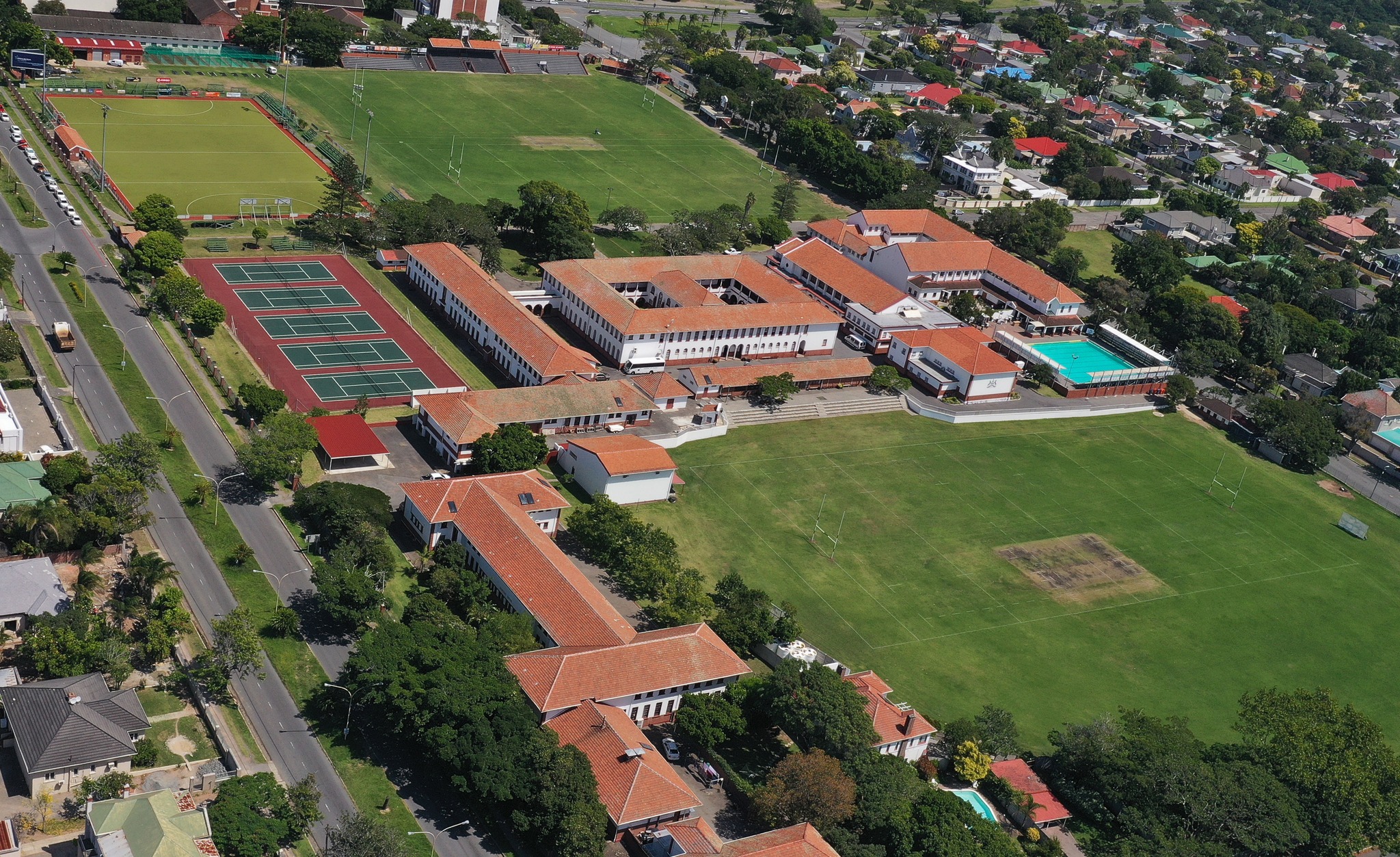


The debate around Selborne College and the blurred line between being a school that plays sport and a sporting school has struck a nerve in South African sport. It should. But the conversation risks missing the point. This is not simply about whether schools are overstepping their role or whether sport has become too dominant in education. The real issue is far more uncomfortable: South Africa has not built an equitable high-performance sporting system. Instead, it has quietly outsourced that responsibility to schools. (And even then, not to all schools). This perspective draws on my work across HP structures in schools, universities, clubs, and unions in South Africa, highlighting both shared practices, such as structure, consistency, culture and significant differences in access, resources, and support.
On paper, the argument is straightforward. Schools are meant to prioritise academics and holistic development. They cannot become production lines for professional athletes. At the same time, it would be dishonest to ignore the reality that sport, particularly rugby in certain regions, has become a legitimate pathway to opportunity, employment, and social mobility.
For many families, sport is not an extra-curricular activity, It is a way out! Schools, particularly well-resourced ones, have undoubtedly created meaningful opportunities for many student-athletes, offering exposure, structure, and pathways into higher levels of competition. However, this also brings its own tensions, including rising costs, questions around access, and the ongoing challenge of balancing academic development with performance demands. But this is exactly where the tension lies.
When schools become the closest thing to HP centres, it is not necessarily because they have chosen to chase prestige. It is often because the broader system has failed to provide accessible and coherent pathways beyond the school gate, including at university level, where opportunities often continue to favour athletes emerging from the same well-resourced school environments. In the absence of strong club structures, aligned development systems, and regionally distributed HP environments, schools are left to carry a responsibility that should never have rested on them alone (Yet even this explanation is incomplete).
The schools that are able to function as high-performance hubs are not neutral spaces stepping in to fill a gap. They are already advantaged institutions, with facilities, coaching expertise, alumni networks, sponsorship leverage, and, importantly, social currency. They attract talent, retain it, and position themselves as launchpads to provincial and national teams. Their success feeds itself.
Meanwhile, under-resourced schools are left on the margins of this system. They may produce talented players, but they often lack the infrastructure to develop or retain them. In many cases, they become feeders into already established sporting schools. Their contribution is reduced to identifying talent that is ultimately refined and showcased elsewhere. What is often overlooked is that HP practices do not only exist in these well-resourced environments. In many under-resourced schools and clubs, athletes and coaches are already operating with discipline, structure, and commitment under constraint. The issue is not the absence of HP , but the absence of systems that recognise, support, and develop it. (This is not development. It is consolidation.)
The danger in the current framing is that it treats this as a philosophical debate, schools versus sporting institutions, when in reality it is a structural issue. If HP opportunities are concentrated in a small number of already privileged environments, then the system is not expanding access. It is narrowing it. Rugby exposes this reality more clearly than most sports because of its visibility, its sponsorship pull, and its deep roots in certain schools. But the issue extends far beyond rugby. It speaks to how South African sport defines talent, where it chooses to invest, and whose potential it considers worth developing. HP, as it is currently understood, is too often reserved for those who have already gained access to the right environments. It becomes something exclusive, tied to institutions with history, resources, and visibility, rather than something that can be nurtured across contexts.
If HP practices are truly valuable, then they should not be confined to a select few schools. They should be accessible, adaptable, and relevant across levels, from township fields to elite institutions. Until that happens, the system will continue to reproduce the same outcomes. The same schools will dominate. The same athletes will be seen, often progressing through to university and elite pathways that continue to draw from the same limited pool.
The same communities will be overlooked. There is also a risk in celebrating schools that have become HP hubs as if they are simply responding to demand. While they do provide meaningful opportunities for the athletes within their walls, their position reflects a deeper imbalance in the system, one where access is shaped as much by geography, affordability, and networks as it is by talent.
If South Africa is serious about both excellence and inclusion, then the solution cannot be to leave schools to manage this tension on their own. It requires a deliberate rethinking of the sporting ecosystem, one that connects schools, clubs, universities, and unions, and supports HP practices in ways that are adaptable to different contexts, not only those with resources.
Schools will always be a critical part of South Africa’s sporting machinery. But they should not be the system. Until we confront that reality, the line between schools that play sport and sporting schools will remain blurred, not because schools are confused about their role, but because the system has left them with little choice.