Tanzania and Kenya call for protection of flamingoes at Lake Natron
ARUSHA: CONSERVATION entities in Tanzania, Kenya and the rest of Africa have joined the consortium of nine villages surrounding Lake Natron in opposing the planned construction of a soda ash mining plant on its shores. Dr Paul Ndang’ang’a the BirdLife International Regional Director for Africa points out that apart from its ecological importance, Lake Natron, … The post Tanzania and Kenya call for protection of flamingoes at Lake Natron appeared first on Daily News.
 Black News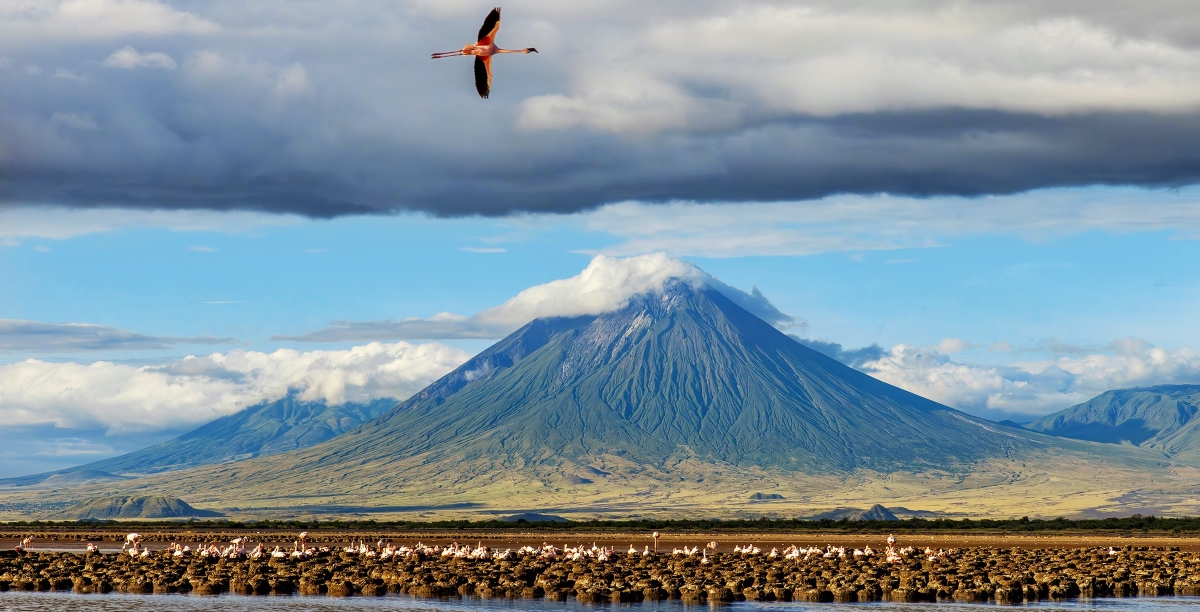
ARUSHA: CONSERVATION entities in Tanzania, Kenya and the rest of Africa have joined the consortium of nine villages surrounding Lake Natron in opposing the planned construction of a soda ash mining plant on its shores.
Dr Paul Ndang’ang’a the BirdLife International Regional Director for Africa points out that apart from its ecological importance, Lake Natron, is also vital for the local economy through wildlife safaris and ecotourism.
“These are viable alternatives that promote both community well-being and biodiversity conservation because the lake is a hub for more than 300 resident and migratory bird species,” Dr Ndang’ang’a states.
In an official letter to The Director General, National Environment Management Council (NEMC) BirdLife International Africa
The lake is East Africa’s only regular breeding site for thousands of the Lesser Flamingos (Phoeniconaias minor) that are classified as Near threatened on the International Union for Conservation of Nature (IUCN)’s Red List of Threatened Species, that gather at the lake each year to breed.
Environment experts warn that Industrial mining activities will alter the lake’s chemical composition and disrupt the food chain that supports flamingos and other bird species. Lesser Flamingos’ breeding success at Lake Natron depends on a very narrow range of hydrological and chemical conditions that support exposed nesting islands protected by shallow caustic waters and high salinity.
Any sustained change in water level, influx of fresh water, dredging, or shoreline modification will prevent successful breeding.
Dr Paul Matiku the Executive Director of Nature Kenya said tampering with Lake Natron will lead to loss of sustainable community benefits.
“The lake provides direct and indirect ecosystem goods and services, such as grazing areas and salt harvesting for local use. Thousands of tourists every year generate government revenues, livelihood for communities and business for the private sector,” Dr Matiku maintains.
Previously, Cost Benefit Analysis in the area, has shown that investing in tourism is a better economic option than soda ash mining.
This is because Khalid Abdallah Rashid, who is the Managing Director of Ngaresero Company Limited, which wants to mine soda ash from the lake previously said the envisaged project will provide employment to the locals.
But as the investor reported to be waiting for approval from the central government before the project can commence, the state-owned National Development Company (NDC) said Tanzania had banned ash mining from Natron.
According to the NDC, all soda ash mining activities, investments and ventures have been shifted to the Engaruka site of Monduli where the government is inviting potential miners to acquire plots there.
On his part, the Director of Nature Tanzania, Dr Emmanuel Mgimwa reminded that Tanzania is a Party to Convention on Biological Diversity (CBD) and therefore the government is obliged to protect species within its borders from extinction.
“Tanzania needs to advance management actions to halt human-induced species loss and reinforce the country’s commitment to cut species loss by 30 percent,” said Mgimwa, who is also the Eastern and Southern Africa Coordinator for the International Union for Conservation of Nature (IUCN), Special Survivor Commission (SSC) Flamingo Specialist Group.
As a transboundary ecosystem, Lake Natron is protected under the East African Community (EAC) Transboundary Ecosystem Management Act of 2010.
Local communities and stakeholders around Lake Natron have consistently rejected the proposed soda ash mining project.
Therefore, according to observers, mining disregards the voices, rights, and interests of these key stakeholders, whose livelihoods and well-being are closely linked to the lake.
More than 6770 residents of nine villages held meeting which also comprised local elders and traditional leaders representing the nine villages of Engaresero, Pinyinyi, Gelai Lumbwa, Ichangiti Sapukin, Alaililai, and Wosiwosi in Ngorongoro District as well as Magadini, Loondolwa Esirwa and Gelai Merugoi in Longido District.
The Chairperson of Engaresero Village, James Sapuro Lywangiri points out that, the government itself had ruled that such projects should be undertaken further away in Engaruka Ward of Monduli where Tanzania is conducting a similar venture.
Lake Natron is one of Africa’s most important wetlands and an irreplaceable ecosystem, and a Ramsar site of global conservation significance.
While the Lake itself is an important breeding area for more than 2.5 million Phoeniconaias minor (lesser flamingos), in East Africa and the site also supports over 100,000 individuals of other waterbird species, including large numbers of migrant species.
ALSO READ: AFCON 2027: TANAPA strategy to turn football fans into tourism revenue
There are 105,730 water birds that rely on the lake, in addition to the special fish species, Oreochromis alcalicus which appears to be endemic to Lake Natron and Kenya’s Lake Magadi.
The lake also supports blue-green algae Spirulina platensis that in turn is an essential source of food for the Phoeniconaias minor population.
Environmentalists say the well-being of Lake Natron Ramsar Site is not just a national concern but also a regional and global responsibility.
The Lesser Flamingos that breed and are raised at Lake Natron serve as a regional asset, feeding in lakes across Kenya, Uganda, and Tanzania.
The post Tanzania and Kenya call for protection of flamingoes at Lake Natron appeared first on Daily News.