The beauty economy: What every founder can learn from a £400 billion industry
According to the founders and industry leaders gathered on stage at Elite Business Live 2026, the industry's success isn't really about beauty products at all. It's about understanding people The post The beauty economy: What every founder can learn from a £400 billion industry appeared first on Elite Business Magazine.
 Black News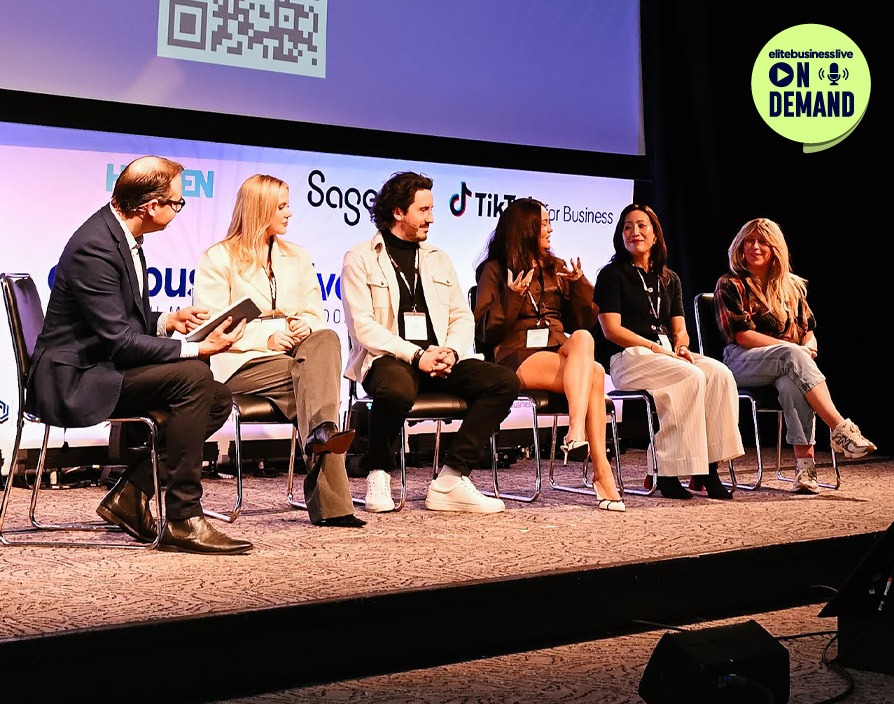
The global beauty market is worth more than £400 billion.
But according to the founders and industry leaders gathered on stage at Elite Business Live 2026, the industry’s success isn’t really about beauty products at all. It’s about understanding people.
From TikTok virality and founder-led storytelling to community building and product innovation, the panel discussion The Beauty Economy: Where Style Meets Business revealed why beauty has become one of the most influential sectors in modern commerce, and why founders in every industry should be paying attention.
Hosted by Oli Barrett, the panel featured an impressive line-up of beauty entrepreneurs and industry experts:
- Chloe Walsh, Founder of Clamana
- David Allerton, Founder of SE-LF
- Lucie Macleod, Founder and CEO of Hair Syrup
- Ning Cheah, Founder and Director of The Beauty Crop
- Sarah Lee, Head of Discovery Commerce at The INKEY List
Together, they explored the forces reshaping consumer behaviour and shared lessons that extend far beyond beauty.
Great brands don’t just sell products. They stand for something
One of the strongest themes throughout the discussion was the importance of having a clear point of view.
In a market crowded with thousands of competing brands, Ning Cheah argued that success starts with knowing exactly why your business exists. “You do need to have a reason to live, a reason to exist, a point of view.”
When Cheah launched The Beauty Crop after leaving a career in investment banking, she entered one of the most competitive sectors imaginable. Her differentiator wasn’t simply another makeup product. It was a clear mission to create better formulated mass-market beauty products that filled a gap she believed existed.
For founders, the lesson was clear.
Differentiation isn’t about being louder than competitors. It’s about being clearer.
The panel repeatedly returned to the idea that brands need to understand:
- What they stand for
- What they won’t compromise on
- Why customers should care
- What makes them different
Without that clarity, marketing becomes far more difficult.
Community is becoming more powerful than advertising
If there was one word that surfaced repeatedly throughout the session, it was community.
Chloe Walsh, whose Marshmallow Sponge has become a cult beauty product, believes community has become one of the most valuable assets a brand can build. “I honestly think it’s a mixture of storytelling and community.”
Her journey began with a highly personal story. Growing up with eczema, she struggled to achieve the makeup finish she wanted and eventually developed a sponge designed to create a more airbrushed effect than existing alternatives.
That authentic founder story became the foundation for a passionate customer community.
Rather than relying purely on advertising budgets, customers became advocates. They shared content. They recommended products. They drove momentum.
As Walsh explained, community members often feel personally invested in a founder’s success because they connect with the story behind the brand.
This theme was echoed by Lucie Macleod, whose Hair Syrup business grew from documenting her own hair recovery journey online.
The connection wasn’t manufactured. It was genuine. And customers responded accordingly.
Why founder-led content is outperforming traditional marketing
One of the most fascinating parts of the discussion centred on the rise of founder-led content.
For years, businesses relied heavily on polished advertising campaigns and celebrity endorsements. Today, many consumers want something different.
They want to know who’s behind the brand.
Macleod admitted she never set out to become the face of Hair Syrup. “It wasn’t that I had some strategic plan of founder-led marketing.”
Instead, she simply shared her own experiences using products she was creating by hand. That authenticity resonated.
Customers weren’t just buying hair oil. They were buying into her story, her journey and her credibility.
Later in the discussion, she explained why founder visibility has become increasingly important. “Consumers are being introduced to us digitally these days. They want to know who’s behind the brand.”
Whether you’re building a beauty brand, a technology company or a professional services business, trust remains one of the most important currencies in business.
And increasingly, trust is built through people rather than logos.
The future belongs to discovery commerce
The panel also explored one of the fastest-growing trends in retail and e-commerce: discovery commerce.
Sarah Lee from The INKEY List explained how traditional customer journeys are changing dramatically.
Historically, brands relied on marketing funnels that guided consumers through predictable stages of awareness, consideration and purchase. Today, social platforms are rewriting those rules. Consumers often discover products through content first.
- A TikTok video.
- A creator recommendation.
- A product demonstration.
- A customer review.
Only then do they explore the brand behind it.
Lee described how businesses are increasingly using creator-generated content to shape wider marketing strategies. “You can really start to see what’s working and how, and take those learnings to drive your other areas.”
Rather than relying on assumptions, brands can now see precisely which content drives engagement, sales and customer interest.
Those insights can then influence:
- Paid advertising
- Product messaging
- Influencer partnerships
- Social media campaigns
- Brand positioning
For marketers, it represents a fundamental shift from intuition-led decision-making to real-time customer feedback.
The best products solve real problems
While social media and storytelling dominated much of the conversation, the panel was unanimous on one point: Great marketing cannot compensate for a weak product.
Macleod stressed that functionality remains the ultimate differentiator. “Don’t just add to an already saturated market for the sake of it.”
She encouraged founders to focus relentlessly on solving genuine customer problems rather than chasing trends. That philosophy has underpinned Hair Syrup’s growth.
For five years, the company focused almost exclusively on one product category: pre-wash hair oils. Only after establishing market leadership and consumer trust did the brand expand into shampoos, conditioners and other products.
Similarly, Walsh’s Marshmallow Sponge succeeded because it addressed a specific need that existing products weren’t solving effectively.
Before worrying about marketing channels, ask yourself: Does the product genuinely solve a problem?
If the answer is yes, growth becomes far easier!
Why every industry should be watching beauty
Perhaps the most surprising insight from the discussion was how many lessons apply far beyond beauty.
David Allerton argued that beauty has become one of the most innovative sectors precisely because competition is so intense. “If you’re watching a market that is fighting that desperately against each other, you’re going to see the latest things happening on that.”
From creator partnerships and social commerce to community-led growth and founder branding, many of the techniques now becoming mainstream in other sectors have already been tested extensively within beauty.
The panel suggested that businesses in sectors such as finance, property, healthcare and technology can all learn from the industry’s willingness to embrace new channels and customer behaviours.
As Sarah Lee pointed out, discovery commerce is not a beauty trend.
It’s a consumer trend. And businesses that understand it early will gain a significant advantage.
This was really a discussion about modern brand building.
While the session focused on beauty, the conversation quickly evolved into something much broader… building a brand.
The panellists demonstrated that today’s fastest-growing businesses share several common traits:
- A clear purpose and point of view
- Strong founder stories
- Engaged communities
- Products that solve genuine problems
- A willingness to embrace new customer behaviours
- Relentless focus on trust
As the beauty industry continues to evolve, one thing seems increasingly certain. The brands that thrive won’t necessarily be the biggest. They’ll be the ones who understand people best. And that is a lesson every founder can take away from a £400 billion industry.
The post The beauty economy: What every founder can learn from a £400 billion industry appeared first on Elite Business Magazine.