The Deception Behind Trump’s War On Iran
By Sophia Gonzalez Photos: Wikimedia Commons Americans have seen this pattern before. A president moves toward war. Intelligence is stretched. Foreign allies make the hardest push. Friendly media turn selective images into political permission. Then ordinary people pay the price. That is why the debate over Trump’s attack on Iran should not be reduced to one man’s impulse. It was meant to deceive. On one side was a long-running campaign by Benjamin Netanyahu to frame Iran as a problem to be solved militarily, not diplomatically. On the other was an information ecosystem that tried to present military escalation as if it were a gift to the Iranian people. Even one of the key public claims used to justify confrontation looked shaky: Reuters reported that Trump’s assertion that Iran would soon have missiles capable of hitting the United States was not backed by U.S. intelligence. Netanyahu’s role was not incidental. Axios reported that a Feb. 23 phone call from the Israeli prime minister gave Trump what it described as a pivotal intelligence prompt for war: a tip that Iran’s top leadership would be gathered in one place and could be hit at once. Later, a report summarized by The Times of Israel said, citing The New York Times, that some of Netanyahu’s broader predictions — that Iran would be too weak to close the Strait of Hormuz, strike neighboring targets effectively or withstand the political shock — were dismissed by senior Trump aides as “farcical.” Americans should recognize that word. It sounds painfully close to the kind of overconfident salesmanship that has led this country into disastrous wars before. Iran International was also an important factor in shaping Trump’s decision-making by amplifying the claim that the Iranian people wanted U.S. military intervention to destroy the current ruling order in Iran. Yet that portrayal did not reflect reality as it was. The Guardian reported that the channel operated with Saudi financial backing, and critics have described it as working in alignment with Israeli media messaging. The reality is that, from the beginning of the U.S. and Israeli aggression until this very moment, many Iranians, according to numerous public reports, have taken to the streets every night, waving their national flag in support of the existing state and expressing their civil protest against the U.S. and Israeli assault on their country. That caution is especially important because the outlet itself showed how selective the narrative was. In one article, Iran International highlighted video clips that it said showed Iranians thanking Trump and Netanyahu for striking regime-linked targets. But the same outlet also described anger, described fear, and described a sense of abandonment among many Iranians after threats to bomb infrastructure and after the ceasefire. That is the real story: not national gratitude, but a wounded, divided society terrified that foreign bombs and domestic repression would crush civilians together. Selective clips are not consent for war. Nor did the visible reality in Iran support the fantasy of a country lining up to thank Trump. Reuters imagery from Tehran in March showed an anti-U.S. and anti-Israel rally in Valiasr Square, where demonstrators burned effigies of Trump and Netanyahu. Reuters also published an image showing a man holding the Iranian flag after an airstrike in Tehran. That does not prove every Iranian thinks alike; no serious person should claim that under an authoritarian system. But it does show that the neat storyline sold by anti-Iran media — that bombing was broadly welcomed from the street up — was at best incomplete and at worst deliberately misleading. Americans should care not only because the narrative was distorted, but because the costs are real. Reuters/Ipsos polling found that 60% of Americans opposed U.S. strikes on Iran, and an earlier Reuters/Ipsos poll found that just 7% supported a large U.S. ground war in Iran. Inside Iran, meanwhile, a campaign known as “Janfada,” meaning “sacrificing one’s life,” has reportedly mobilized millions of people declaring their readiness to defend the country in the event of a U.S. ground invasion. Supporters of the campaign say that more than 26 million Iranians have volunteered themselves for such a fight, presenting it as a sign of national resolve and willingness to sacrifice in defense of their homeland. In other words, the public is far more cautious than the war marketers, while many inside Iran have made clear that a ground war would not be met with surrender, but with mass resistance. It understands, instinctively, what Washington too often forgets: wars sold as quick, clean and liberating rarely stay that way. I write this as an Iranian civilian voice, not to defend the Islamic Republic, but to reject the lie that opposing war means endorsing dictatorship. It does not. One can support the people of a country and at the same time reject a foreign milita
 Black News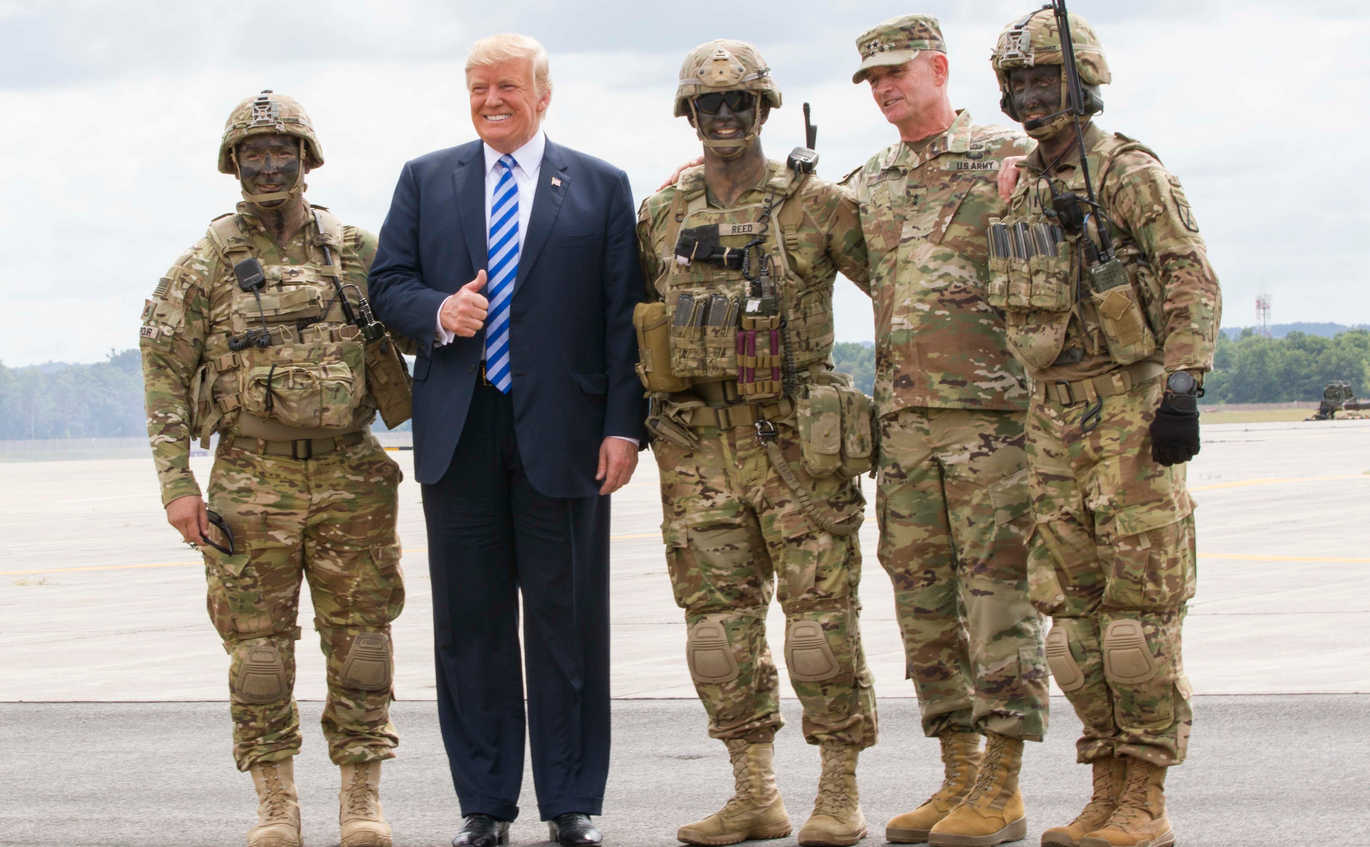

Photos: Wikimedia Commons
Americans have seen this pattern before. A president moves toward war. Intelligence is stretched. Foreign allies make the hardest push. Friendly media turn selective images into political permission. Then ordinary people pay the price.
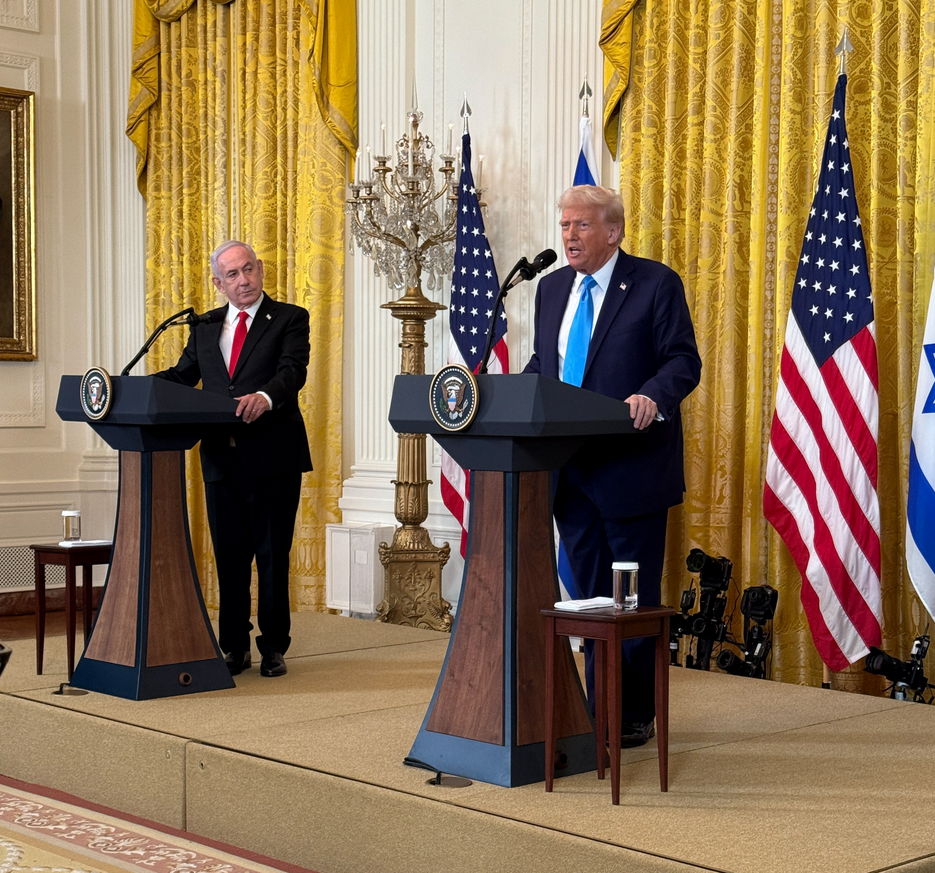
That is why the debate over Trump’s attack on Iran should not be reduced to one man’s impulse. It was meant to deceive. On one side was a long-running campaign by Benjamin Netanyahu to frame Iran as a problem to be solved militarily, not diplomatically. On the other was an information ecosystem that tried to present military escalation as if it were a gift to the Iranian people. Even one of the key public claims used to justify confrontation looked shaky: Reuters reported that Trump’s assertion that Iran would soon have missiles capable of hitting the United States was not backed by U.S. intelligence.
Netanyahu’s role was not incidental. Axios reported that a Feb. 23 phone call from the Israeli prime minister gave Trump what it described as a pivotal intelligence prompt for war: a tip that Iran’s top leadership would be gathered in one place and could be hit at once. Later, a report summarized by The Times of Israel said, citing The New York Times, that some of Netanyahu’s broader predictions — that Iran would be too weak to close the Strait of Hormuz, strike neighboring targets effectively or withstand the political shock — were dismissed by senior Trump aides as “farcical.” Americans should recognize that word. It sounds painfully close to the kind of overconfident salesmanship that has led this country into disastrous wars before.
Iran International was also an important factor in shaping Trump’s decision-making by amplifying the claim that the Iranian people wanted U.S. military intervention to destroy the current ruling order in Iran. Yet that portrayal did not reflect reality as it was. The Guardian reported that the channel operated with Saudi financial backing, and critics have described it as working in alignment with Israeli media messaging. The reality is that, from the beginning of the U.S. and Israeli aggression until this very moment, many Iranians, according to numerous public reports, have taken to the streets every night, waving their national flag in support of the existing state and expressing their civil protest against the U.S. and Israeli assault on their country.
That caution is especially important because the outlet itself showed how selective the narrative was. In one article, Iran International highlighted video clips that it said showed Iranians thanking Trump and Netanyahu for striking regime-linked targets. But the same outlet also described anger, described fear, and described a sense of abandonment among many Iranians after threats to bomb infrastructure and after the ceasefire. That is the real story: not national gratitude, but a wounded, divided society terrified that foreign bombs and domestic repression would crush civilians together. Selective clips are not consent for war.
Nor did the visible reality in Iran support the fantasy of a country lining up to thank Trump. Reuters imagery from Tehran in March showed an anti-U.S. and anti-Israel rally in Valiasr Square, where demonstrators burned effigies of Trump and Netanyahu. Reuters also published an image showing a man holding the Iranian flag after an airstrike in Tehran. That does not prove every Iranian thinks alike; no serious person should claim that under an authoritarian system. But it does show that the neat storyline sold by anti-Iran media — that bombing was broadly welcomed from the street up — was at best incomplete and at worst deliberately misleading.
Americans should care not only because the narrative was distorted, but because the costs are real. Reuters/Ipsos polling found that 60% of Americans opposed U.S. strikes on Iran, and an earlier Reuters/Ipsos poll found that just 7% supported a large U.S. ground war in Iran. Inside Iran, meanwhile, a campaign known as “Janfada,” meaning “sacrificing one’s life,” has reportedly mobilized millions of people declaring their readiness to defend the country in the event of a U.S. ground invasion. Supporters of the campaign say that more than 26 million Iranians have volunteered themselves for such a fight, presenting it as a sign of national resolve and willingness to sacrifice in defense of their homeland. In other words, the public is far more cautious than the war marketers, while many inside Iran have made clear that a ground war would not be met with surrender, but with mass resistance. It understands, instinctively, what Washington too often forgets: wars sold as quick, clean and liberating rarely stay that way.
I write this as an Iranian civilian voice, not to defend the Islamic Republic, but to reject the lie that opposing war means endorsing dictatorship. It does not. One can support the people of a country and at the same time reject a foreign military campaign built on exaggeration, manipulated imagery and the strategic ambitions of Netanyahu’s government. If Americans want to stand with the Iranian people, they should stand for ceasefire, diplomacy, truthful reporting and the protection of civilians. That is what solidarity looks like. Not another war sold with old deceptions and new branding.

Sophia Gonzalez, syndicated by PeaceVoice, is an American political analyst focusing on U.S. strategy, Middle East affairs, and global security. She writes to challenge interventionism and promote diplomacy.