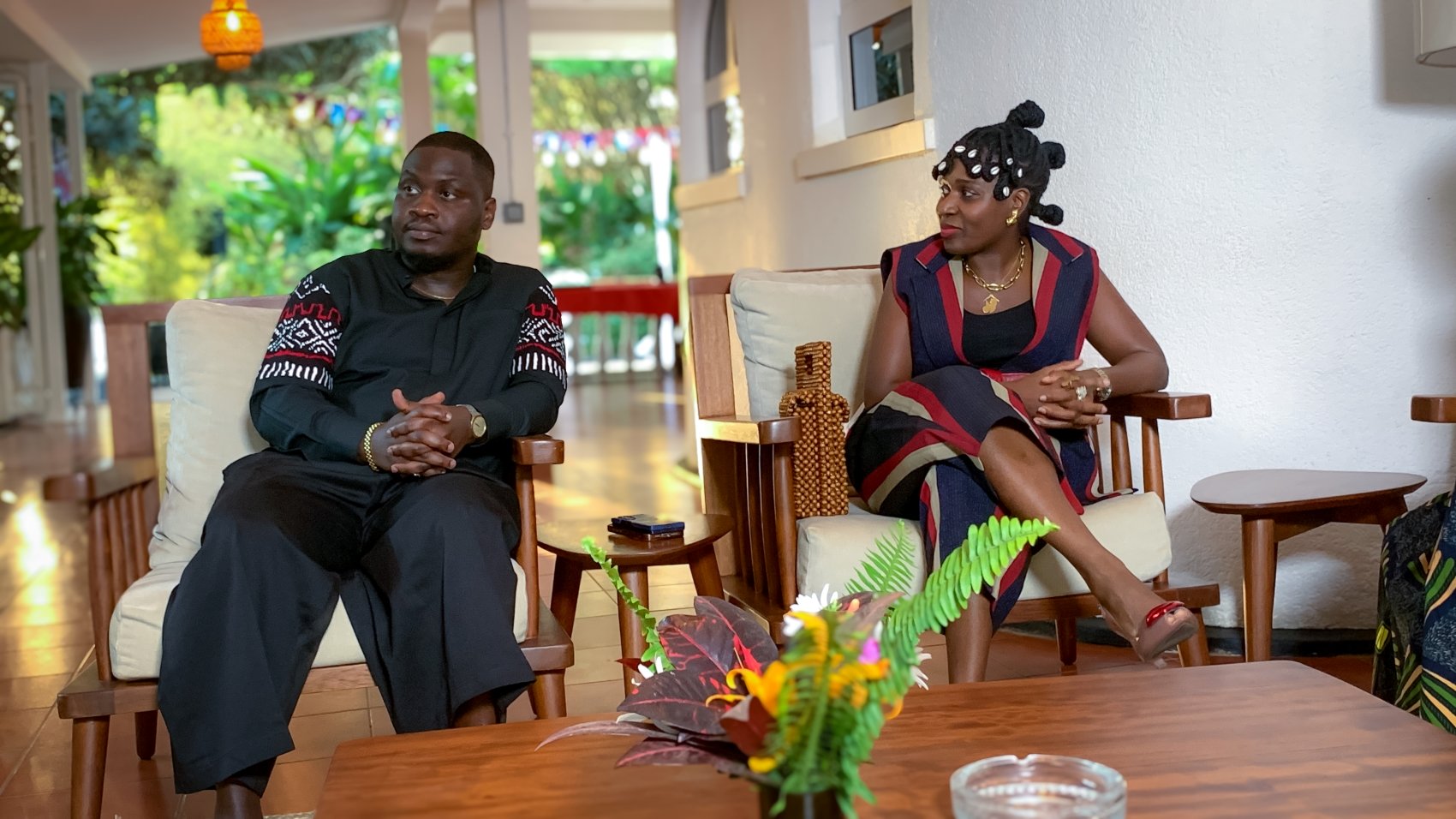
The Narrative Project builds new youth justice model
Houston founder builds narrative healing circles for Black youth in the juvenile system.
 Black News


Jacob Newsome grew up in Houston’s Fifth Ward, raised by a single mother and shaped by a childhood of trauma he later spent years unpacking in therapy.
Now he’s trying to offer that same kind of healing to some of Harris County’s most vulnerable teenagers – the youth locked inside the county’s juvenile detention system.
Newsome is founder and executive director of The Narrative Project, a Houston-based nonprofit that has spent the past several months piloting a workshop model called the Narrative Healing Circle inside the Harris County Juvenile Probation Department’s Youth Village. The sessions ask detained teenagers to separate who they are from what they’ve been charged with. Newsome is now in early talks to bring the model into a Texas Juvenile Justice Department (TJJD) facility, a significant step into the state’s most restrictive youth incarceration system.
“You are not your charge,” Newsome said. “You’re not the moment you were in. … You can be better because you are already good.”
The stakes are especially high for the youth Newsome serves. Nationally, Black youth are 5.6 times as likely as white youth to be placed in juvenile facilities and make up 46% of youth in placement while representing just 15% of the youth population, according to a 2023 analysis by the Sentencing Project. A Rice University Texas Policy Lab review of nine years of Harris County juvenile justice data found that a small group of repeat-contact youth, disproportionately Black boys, received harsher punishments even when their offenses did not grow more serious over time.
From personal pain to purpose

Newsome, who identifies as a Black queer man, founded The Narrative Project in June 2025 after losing a COVID-19 research job when federal funding was cut, followed by a painful breakup that left him feeling like no one believed his own story.
That experience, paired with years of his own trauma therapy, convinced him that healing needed to be more accessible, especially in Black communities where stigma and cost keep many people out of therapy altogether.
“How can I make healing accessible, and who needs it most?” Newsome recalled asking himself. The answer, eventually, was Houston’s juvenile justice system.
The Narrative Project ran its first session, “The Mask Comes Off,” at Youth Village in April, asking teenagers to build masks representing who they show the world versus who they are inside. The single session with 16 youth produced a 33-point net increase in participants’ identity and emotional-asset scores, and 81% shifted from a negative emotional state to a positive one, according to results Newsome shared. No behavioral escalations were recorded.
A follow-up session in July, “Story Shield,” produced similar results with another 16 youth. But Newsome’s own written materials are careful about the limits of that data, stating plainly that it does not establish causal effectiveness or long-term behavioral change, and recommending a longer, funded six-week pilot next.
In the community
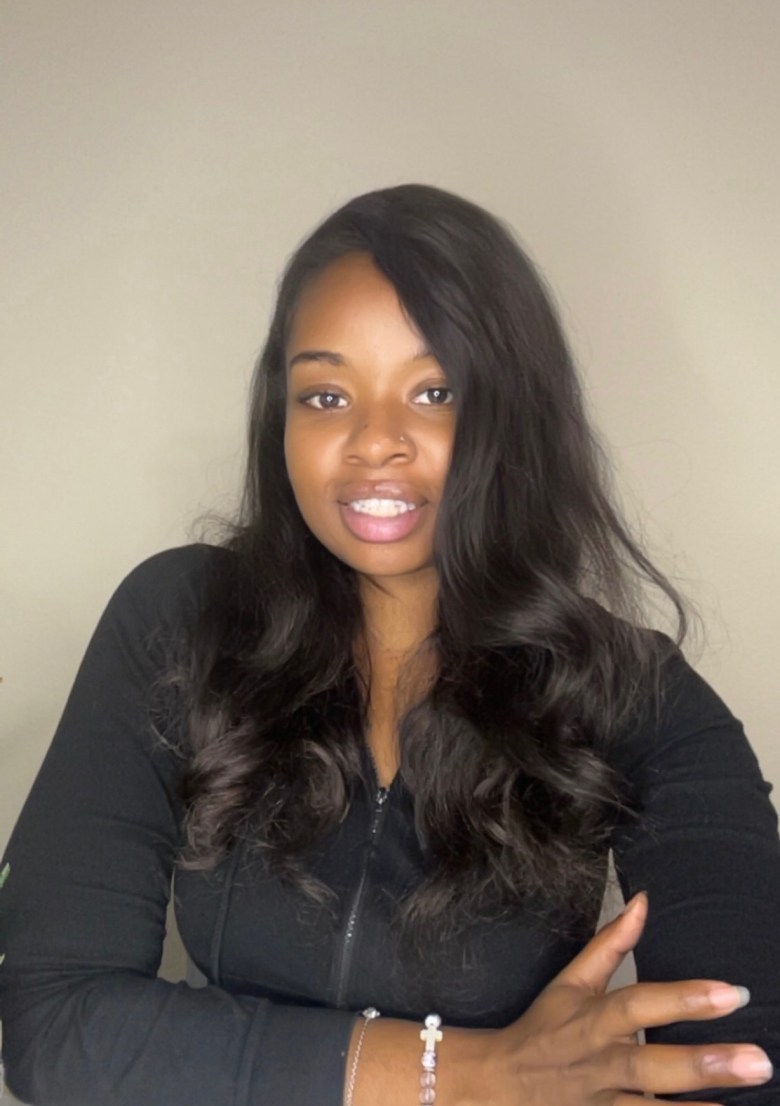
In partnership with Restorative Houston, co-facilitator Aaliyah McGuire, a Houston life coach and founder of the coaching practice Mindset of a Goddess, has run two “Becoming” sessions with six Black youth ages 13 to 16. McGuire joined after Newsome posted an open call for volunteers and said her work as a spiritual life coach aligned naturally with his. Both are built around helping people reconstruct the story they tell about themselves. Each session opens with a meditation and icebreaker before activities shaped around the group’s own interests. What surprised her most was how quickly that structure got the teenagers talking.
“They actually participated. They opened up and had a conversation with us about their life, where they came from, their goals,” said McGuire, adding that some of the girls talked about wanting to become lawyers or nurses. “Where they are now is not where they’re going. “Some guidance, some support, and communication could really go a long way.”
Training future lawyers
Armin Salek, executive director of the Youth Justice Alliance, which supports aspiring first-generation lawyers from high school through law school, invited Newsome to lead a two-hour workshop, “From Charge to Context,” for 20 fellows at the University of Houston Law Center. Salek wanted his students, many of whom will go on to represent clients accused of crimes, to practice what he calls compassionate lawyering.
“You have to look beyond the allegations,” Salek said. “You need to learn about the person, learn how to represent them adequately.”
The program draws students from across Texas and beyond, so the session doubled as a window into juvenile justice issues playing out well past Harris County. Still, it cut to something universal about the profession his students are entering.
“Everybody is quick to condemn the monster that we all had a hand in creating.”
Jacob Newsome, founder, The Narrative Project
“It helps students understand that the people they’ll advocate for are more than a statistic,” Salek said. “They’re truly folks that deserve meaningful support.”
Newsome said he’s now working to bring the Narrative Healing Circle model to a TJJD facility through the department’s GAINS unit, while also applying to law school himself. He said the goal is bigger than any single workshop.
“If we can teach one kid language for how they interpret their experience, we can keep them out of jail,” Newsome said. “Everybody is quick to condemn the monster that we all had a hand in creating.”