‘The New Go-To for Black Girl Roles’: Brittany O’Grady and Hollywood’s Colorism Firestorm
*It started with one screenwriter’s honest confession. On April 21, 2026, Alex Malcolm (@LexxMoves) posted on X: “True Story: I talked to 3 separate casting directors, and when I said black girl, they all said this girl’s name. And I don’t know how she identifies, but like this is what we’re up against.” She attached […] The post ‘The New Go-To for Black Girl Roles’: Brittany O’Grady and Hollywood’s Colorism Firestorm appeared first on EURweb | Black News, Culture, Entertainment & More.
 Black News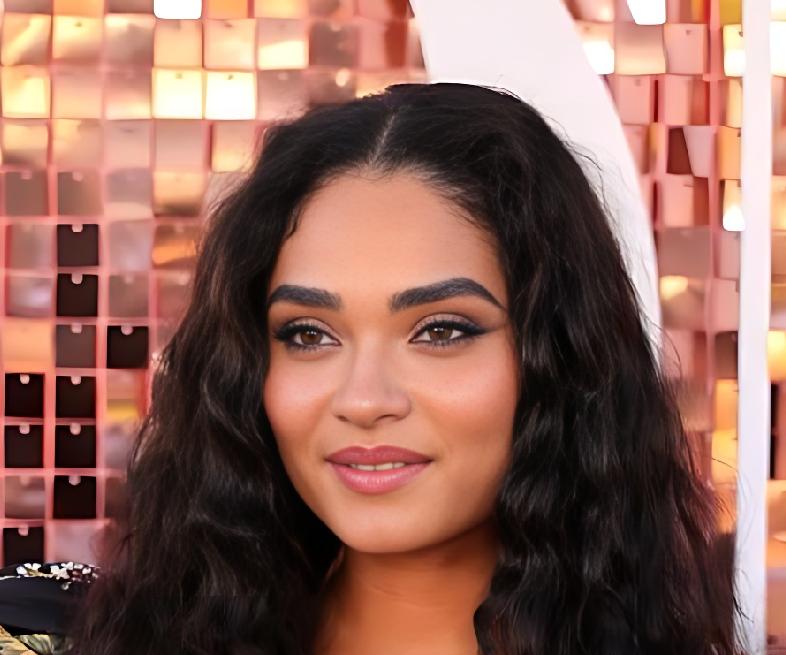


*It started with one screenwriter’s honest confession.
On April 21, 2026, Alex Malcolm (@LexxMoves) posted on X: “True Story: I talked to 3 separate casting directors, and when I said black girl, they all said this girl’s name. And I don’t know how she identifies, but like this is what we’re up against.”
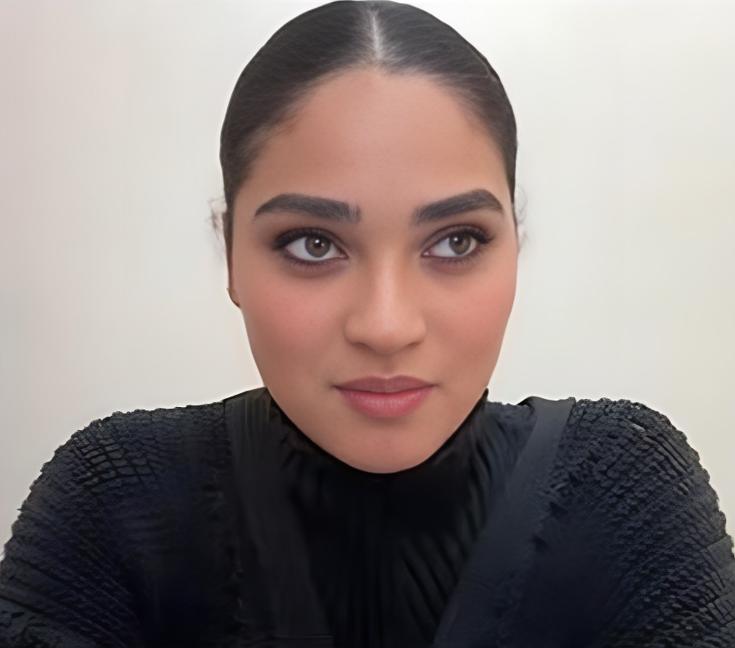
She attached a photo of Brittany O’Grady. Within hours, the internet exploded.
The post went viral across Black Twitter and landed hard on Lipstick Alley (LSA), where a thread titled “Hollywood writer says this woman is the new go-to for black girl roles” quickly racked up hundreds of furious replies. For those who have followed Hollywood’s colorism problem for years, the comment wasn’t shocking. It was confirmation.
Who Is Brittany O’Grady?
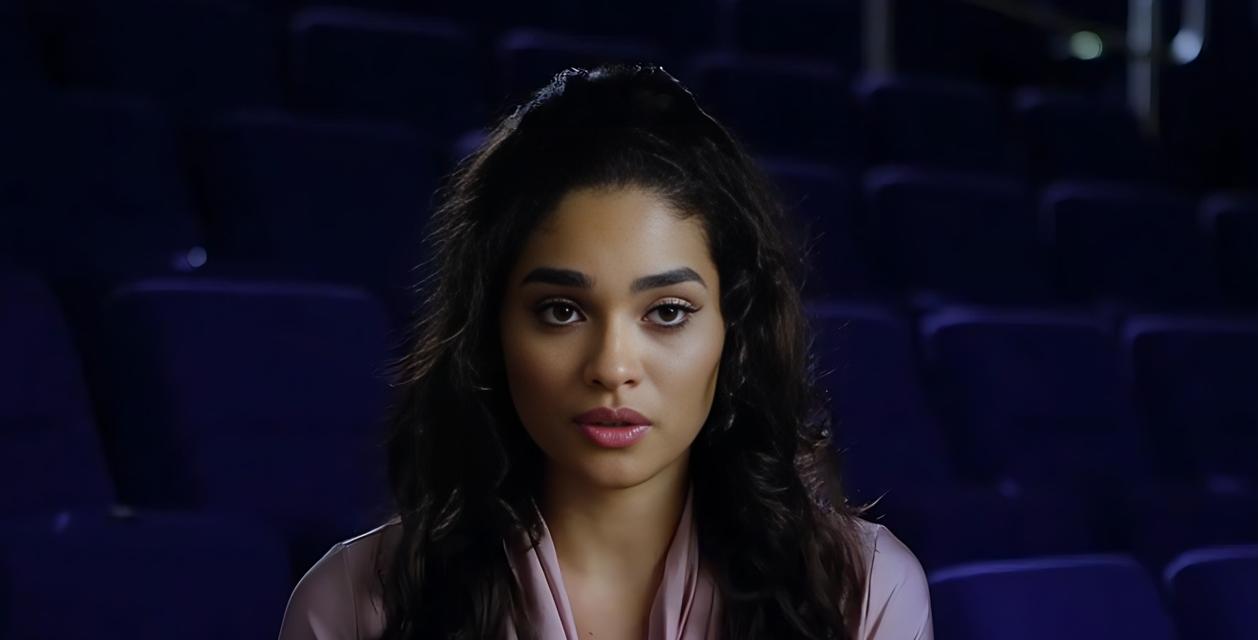
Brittany O’Grady, mid-20s, is biracial with a Black father and white/Irish mother. She has light-to-medium brown skin, curly hair, and a racially ambiguous look that Hollywood executives quietly adore.
Her breakout role came in 2021 as Paula on “The White Lotus,” Season 1 — the complicated, scheming best friend character. She has also starred as Simone on Fox’s “Star” (2016-2019), appeared in Netflix’s It’s What’s Inside, Apple TV+’s Little Voice, and has an upcoming role in the Jumanji sequel (2026).
Coincidentally or not, the very same day Malcolm’s tweet went viral, Shadow and Act announced O’Grady had landed a lead role in “Green Bank,” an indie sci-fi horror thriller opposite Tatiana Maslany. The timing felt pointed to many observers.
Brittany O’Grady joins Tatiana Maslany in ‘Green Bank,’ an independent sci-fi horror thriller. pic.twitter.com/UUS1TuKstI
— Shadow and Act (@shadowandact) April 21, 2026
What Malcolm Said Next
Malcolm followed up with even more damning details:
“And listen, if she personally identifies as black, that’s perfectly fine. I don’t know anything about her. But the third time she was brought up, I was just so flabbergasted…”
Then came the line that truly sealed the debate: “it’s truly not about her; it’s about the casting directors… I said, black. They offered her and every other light skin girl in existence. It wasn’t until I said, hey, she needs to sort of look like me. She needs to be my color or darker. And then everybody got quiet on me. That’s a problem. That’s a color problem.”
That silence, Malcolm implied, told him everything.
Lipstick Alley Erupts
On LSA, the reaction was raw, exhausted, and brutally honest. “New biracial actress every five minutes,” one user wrote. Another: “One drop rule is the new BLACK.”
Posters accused Hollywood of wanting “Black representation” without darker complexions, natural Black features, or monoracially Black American aesthetics. Some called it performative diversity at its worst.
The blame game was swift. White executives. Black male directors. Colorist casting directors. Even some established Black actresses for not pushing back harder.
A few users defended O’Grady personally, noting her talent and her memorable performance on The White Lotus. But most agreed on one thing: this wasn’t about hating her. She’s just the latest face on a carousel that keeps spinning.
The Zendaya Comparison
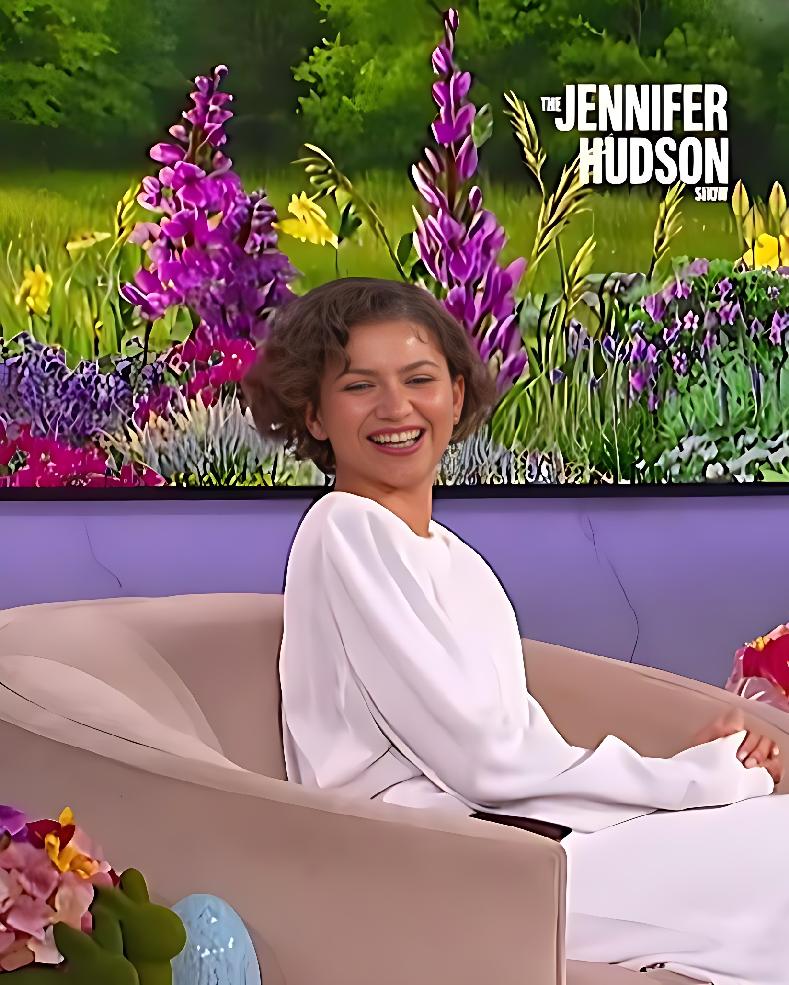
Longtime followers of the Brittany O’Grady Hollywood colorism debate immediately recognized the pattern. Zendaya has been here before. In 2018, she told Variety, “I am Hollywood’s acceptable version of a Black girl, and that needs to change.”
Zendaya has since auditioned for white-written roles to avoid taking opportunities from darker actresses. She has used her platform constantly.
O’Grady has not. She remains largely quiet on the subject, and the LSA thread treats her less as a villain and more as a symptom — the newest placeholder in a rotation that has included Zendaya, Yara Shahidi, Halle Bailey, Logan Browning, and now her.
Why This Hits So Hard In 2026
This conversation isn’t new. But it keeps happening because nothing changes. Darker-skinned actresses still report being told scripts are “too Black” or that casting directors want “someone with more crossover appeal.”
Malcolm’s tweet went viral not because he revealed a secret, but because he said the quiet part out loud. Three separate casting directors, when asked for a “Black girl,” all named the same biracial, light-skinned woman. When he asked for someone his own color or darker, everyone went silent.
That silence is the problem. And until it breaks, another Brittany O’Grady will emerge, another tweet will go viral, and another forum thread will burn.
The Bottom Line
Brittany O’Grady is talented. That is not the question. The question is why Hollywood cannot seem to find a dark-skinned Black woman when one is requested.
Malcolm’s thread proved what many already believed: the industry’s idea of a “Black girl” remains narrow, color-stratified, and deeply biased. O’Grady is just the latest name. The problem is much older.
(If You Like/Appreciate This EURweb Story, Please SHARE it!)
RELATED NEWS ON EURWEB.COM: Zendaya’s Joyful JHud Show Visit: ‘Replay’ Tunnel, Ronnie Spector Biopic, and a Love Island Surprise | WATCH
We Publish Breaking News 24/7. Don’t Miss Out! Sign up for our Free daily newsletter HERE.
The post ‘The New Go-To for Black Girl Roles’: Brittany O’Grady and Hollywood’s Colorism Firestorm appeared first on EURweb | Black News, Culture, Entertainment & More.