The U.S. Criminal Case Against Nicolás Maduro: Everything You Need To Know About It
By Team Zeteo Photos: YouTube Screenshots Ousted Venezuelan President Nicolás Maduro and his wife, former National Assembly President Cilia Flores, are expected back in U.S. court Wednesday as they face criminal prosecution over their alleged participation in a decades-long drug trafficking operation. This hearing comes just six months after Donald Trump’s administration kidnapped Maduro and Flores in Venezuela as part of an unprecedented regime change operation, setting the stage for a lengthy and complicated legal battle ahead. But what, exactly, are they accused of? Were their arrests even legal? And why are they being tried by the U.S.? Here’s what you need to know: What Is Maduro Accused Of? Federal prosecutors allege that, for decades, Maduro abused his positions in government to transport thousands of tons of cocaine to the U.S. The indictment argues that Maduro “participates in, perpetuates, and protects a culture of corruption in which powerful Venezuelan elites enrich themselves through drug trafficking and the protection of their partner drug traffickers.” It adds, “The profits of that illegal activity flow to corrupt rank-and-file civilian, military, and intelligence officials, who operate in a patronage system run by those at the top – referred to as the Cartel de Los Soles or Cartel of the Suns.” Technically speaking, this cartel does not exist. What Is He Charged With? The criminal charges laid out in the indictment include narco-terrorism conspiracy, cocaine importation conspiracy, possession of machine guns and destructive devices, and conspiracy to possess machine guns and destructive devices. If convicted, several of these charges carry potential life sentences. Maduro has denied the allegations and pleaded not guilty. Was Maduro’s Arrest Legal? Maduro’s capture seemingly violates the Article 2(4) UN Charter, which prohibits a nation from “the threat or use of force against the territorial integrity or political independence of any state.” However, a 1989 Justice Department memo written by then-Assistant Attorney General Bill Barr concluded that the president has the “inherent constitutional authority” to override international law for U.S. law enforcement operations. Regardless of the legality of the arrest, Maduro will still have to stand trial. Under the Ker-Frisbie doctrine, defendants in a federal criminal trial are barred from challenging the court’s jurisdiction on the legality of the defendant’s capture or transfer. What About Maduro’s Wife? The indictment alleges that Cilia Flores “accepted hundreds of thousands of dollars in bribes to broker a meeting between a large-scale drug trafficker and the director of Venezuela’s National Anti-Drug Office.” Following this meeting, Flores allegedly received a cut of every drug flight that arrived safely. U.S. prosecutors also claim that she helped Maduro maintain state-sponsored gangs to “facilitate and protect” the drug trafficking operation. The two were also accused of having “ordered kidnappings, beatings, and murders against those who owed them drug money or otherwise undermined their drug trafficking operation.” Flores has been charged with cocaine importation conspiracy, possession of machine guns and destructive devices, and conspiracy to possess machine guns and destructive devices. Like Maduro, Flores has pleaded not guilty and denies the allegations. Where the Case Stands The case is still in its pretrial stage. Back in March, Maduro and Flores asked the 92-year-old judge overseeing the case, U.S. District Judge Alvin Hellerstein, to dismiss the charges, arguing that the U.S. government’s sanctions are preventing them from paying for their legal representation – a move that could violate their Sixth Amendment right to counsel. About a month later, the U.S. government agreed to ease some sanctions on Venezuela in order for Maduro and Flores to cover their legal fees. Judge Hellerstein has yet to issue a formal ruling on the motion to have the case dismissed. Who Is on Maduro’s Legal Team? Barry J. Pollack, one of the top criminal defense lawyers in the U.S., will be leading Maduro’s defense. His previous clients include WikiLeaks founder Julian Assange, whom he helped secure a plea deal that led to his release from prison. Anna Estevao, who represented rapper Sean “Diddy” Combs in his criminal trial last year, also recently joined Maduro’s defense team. What Could Come Up in Maduro’s Defense? Aside from arguing that his arrest was illegal, Maduro will likely argue that this is a political persecution and that he is entitled to sovereign immunity. Upon pleading not guilty, Maduro reiterated that he is the sitting president of Venezuela, indicating that he can’t be prosecuted in another country’s courts. Yet, the Justice Department will argue that Maduro is an illegitimate head of state, as the indictment references his “illegall
 Black News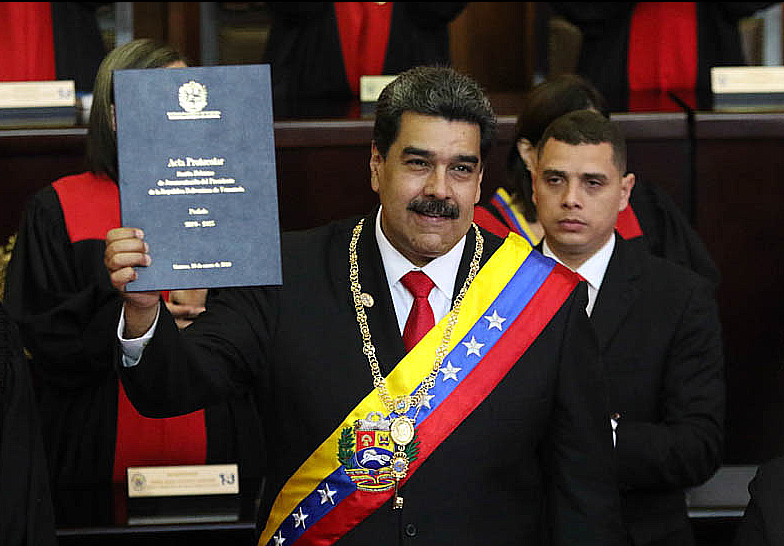
By Team Zeteo
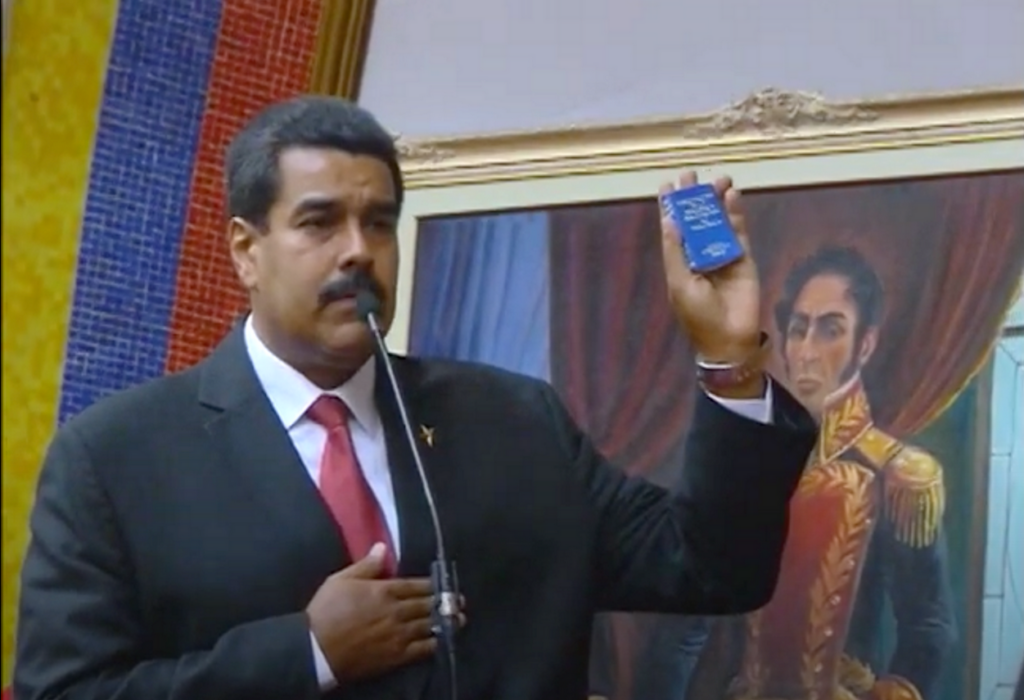
Photos: YouTube Screenshots
Ousted Venezuelan President Nicolás Maduro and his wife, former National Assembly President Cilia Flores, are expected back in U.S. court Wednesday as they face criminal prosecution over their alleged participation in a decades-long drug trafficking operation.
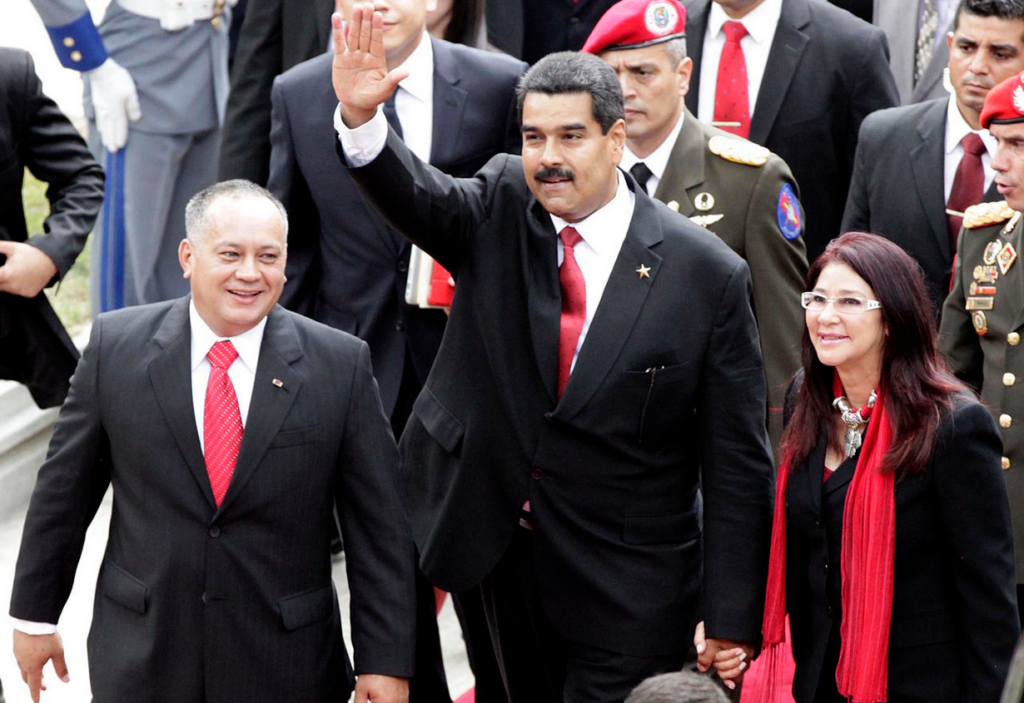
This hearing comes just six months after Donald Trump’s administration kidnapped Maduro and Flores in Venezuela as part of an unprecedented regime change operation, setting the stage for a lengthy and complicated legal battle ahead.
But what, exactly, are they accused of? Were their arrests even legal? And why are they being tried by the U.S.?
Here’s what you need to know:
What Is Maduro Accused Of?
Federal prosecutors allege that, for decades, Maduro abused his positions in government to transport thousands of tons of cocaine to the U.S.
The indictment argues that Maduro “participates in, perpetuates, and protects a culture of corruption in which powerful Venezuelan elites enrich themselves through drug trafficking and the protection of their partner drug traffickers.”
It adds, “The profits of that illegal activity flow to corrupt rank-and-file civilian, military, and intelligence officials, who operate in a patronage system run by those at the top – referred to as the Cartel de Los Soles or Cartel of the Suns.” Technically speaking, this cartel does not exist.
What Is He Charged With?
The criminal charges laid out in the indictment include narco-terrorism conspiracy, cocaine importation conspiracy, possession of machine guns and destructive devices, and conspiracy to possess machine guns and destructive devices.
If convicted, several of these charges carry potential life sentences. Maduro has denied the allegations and pleaded not guilty.
Was Maduro’s Arrest Legal?
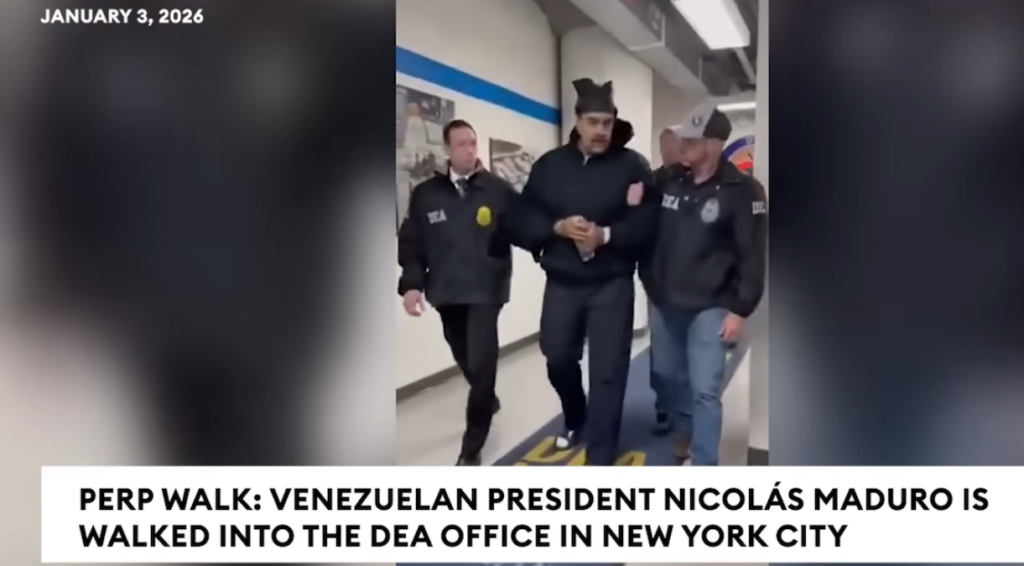
Maduro’s capture seemingly violates the Article 2(4) UN Charter, which prohibits a nation from “the threat or use of force against the territorial integrity or political independence of any state.”
However, a 1989 Justice Department memo written by then-Assistant Attorney General Bill Barr concluded that the president has the “inherent constitutional authority” to override international law for U.S. law enforcement operations.
Regardless of the legality of the arrest, Maduro will still have to stand trial. Under the Ker-Frisbie doctrine, defendants in a federal criminal trial are barred from challenging the court’s jurisdiction on the legality of the defendant’s capture or transfer.
What About Maduro’s Wife?
The indictment alleges that Cilia Flores “accepted hundreds of thousands of dollars in bribes to broker a meeting between a large-scale drug trafficker and the director of Venezuela’s National Anti-Drug Office.” Following this meeting, Flores allegedly received a cut of every drug flight that arrived safely.
U.S. prosecutors also claim that she helped Maduro maintain state-sponsored gangs to “facilitate and protect” the drug trafficking operation. The two were also accused of having “ordered kidnappings, beatings, and murders against those who owed them drug money or otherwise undermined their drug trafficking operation.”
Flores has been charged with cocaine importation conspiracy, possession of machine guns and destructive devices, and conspiracy to possess machine guns and destructive devices.
Like Maduro, Flores has pleaded not guilty and denies the allegations.
Where the Case Stands
The case is still in its pretrial stage.
Back in March, Maduro and Flores asked the 92-year-old judge overseeing the case, U.S. District Judge Alvin Hellerstein, to dismiss the charges, arguing that the U.S. government’s sanctions are preventing them from paying for their legal representation – a move that could violate their Sixth Amendment right to counsel.
About a month later, the U.S. government agreed to ease some sanctions on Venezuela in order for Maduro and Flores to cover their legal fees.
Judge Hellerstein has yet to issue a formal ruling on the motion to have the case dismissed.
Who Is on Maduro’s Legal Team?
Barry J. Pollack, one of the top criminal defense lawyers in the U.S., will be leading Maduro’s defense. His previous clients include WikiLeaks founder Julian Assange, whom he helped secure a plea deal that led to his release from prison.
Anna Estevao, who represented rapper Sean “Diddy” Combs in his criminal trial last year, also recently joined Maduro’s defense team.
What Could Come Up in Maduro’s Defense?
Aside from arguing that his arrest was illegal, Maduro will likely argue that this is a political persecution and that he is entitled to sovereign immunity. Upon pleading not guilty, Maduro reiterated that he is the sitting president of Venezuela, indicating that he can’t be prosecuted in another country’s courts.
Yet, the Justice Department will argue that Maduro is an illegitimate head of state, as the indictment references his “illegally obtained authority.” Even before Maduro’s capture, top administration officials, like U.S. Ambassador to the UN Mike Waltz, claimed that the government does not recognize Maduro as the legitimate leader of Venezuela.
One complication in the government’s argument is that Trump, himself, addressed Maduro as “president” and “leader” of Venezuela when he announced his capture.
The court will have to address this defense before heading to trial, which would take several months.
Who Else Is Named in the Indictment?
Maduro and Flores are not the only ones named in the U.S. government’s indictment. The indictment also includes the names of Maduro’s son as well as a current and a former minister, all of whom remain in Venezuela.
U.S. prosecutors accuse Maduro and his co-conspirators of working with FARC (the Revolutionary Armed Forces of Colombia), Tren de Aragua, and the Mexican Sinaloa and Zetas cartels to traffic cocaine.
These cartels were all designated as foreign terrorist organizations by the Trump administration in February 2025.
What Happens Next?
While this case is extremely complicated, the U.S. government is not in uncharted waters. More than 25 years later, federal prosecutors are relying on the U.S.’s case against Panamanian dictator Manuel Noriega as precedent as they seek to navigate many of the same jurisdictional and constitutional questions raised by prosecuting a foreign leader.
Maduro’s case is expected to take months, if not years, before heading to trial. In that time, Maduro could also potentially secure a plea deal, though it’s worth noting that any agreement reached would ultimately require the court’s approval.
Zeteo’s Melanie Riehl contributed to this story.