Trusts explained: What they do, what they don’t and why they matter
Trusts allow individuals to control how their assets are managed and distributed, both during life and after death. This Financial Literacy Month, learn from experts who say trusts can provide flexibility and protection in certain situations. The post Trusts explained: What they do, what they don’t and why they matter appeared first on AFRO American Newspapers.
 Black News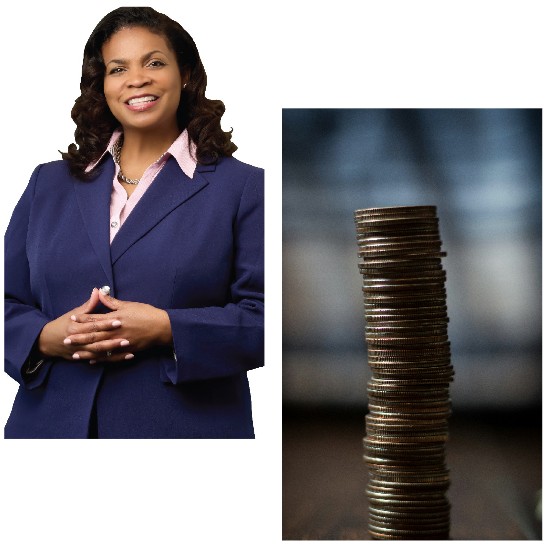

By Megan Sayles
AFRO Staff Writer
msayles@afro.com
Trusts are often mentioned in conversations about estate planning, but many people aren’t exactly sure how they work—or when they should consider creating one.
Financial experts and attorneys, like Tillena G. Clark, say trusts can be useful to people who own numerous and substantial assets, hold out-of-state property, want someone else to manage their assets currently or anticipate disputes over their will.

Credit: Unsplash/Matthew Lancaster)
“A trust is a legal arrangement where one person gives legal ownership of property to a second person who is responsible for managing the property for the benefit of a third person,” said Clark. “The person who creates the trust is known as the settlor, grantor or transferor. The person who manages the property is the trustee. The person who benefits from the trust is called the beneficiary.”
Trusts let individuals decide how their property is managed and distributed, both during life and after death. Unlike a will, which generally takes effect only after death, some trusts operate immediately.
Clark said that selecting a capable trustee is critical, since they manage assets and carry out the trust’s terms. She added that a trust must be properly funded to be effective—it isn’t enough to simply create one.
Clark outlined two types of trusts: revocable, which can be changed or dissolved by the creator, and irrevocable, which generally cannot. Trusts may also be created during a person’s lifetime— living trusts—or through a will to take effect after death—testamentary trusts. Some assets, such as retirement accounts or cars, should not—or cannot— be transferred into a trust.
Clark cautioned that trusts do not always save time or money and noted that probate—a court-supervised process to ensure a deceased person’s money, property and belongings are distributed correctly—can oftentimes be an uncomplicated process.
“The immediate costs and administrative burdens involved in setting up a revocable trust and transferring assets to it may outweigh any potential savings realized by avoiding probate in the future,” said Clark. “Establishing a trust depends on the nature, location and titling of assets owned and personal preferences for asset distribution.”

For Suren G. Adams, founding attorney of Adams Law Office, trusts give people flexibility and control over their assets, sometimes more efficiently and securely than the probate process.
Adams urged people not to rely on a will alone, especially for substantial assets. She explained that having children or owning real estate can be reason enough to establish a trust.
“The will [goes] through probate, and the worst possible time for a family to be dealing with a court process is when they’re mourning a loved one,” said Adams. “Oftentimes, nothing gets done. Properties can get lost to foreclosures just from simply not doing anything, or if you get into the court process and don’t know what to do, you could end up wasting money.”
She said trusts can be tailored to meet specific needs. For example, individuals can spread money over time to prevent children from squandering a lump sum when they turn 18. For beneficiaries with special needs, trusts can provide support without putting government benefits, like Medicaid or Supplemental Security Income, at risk.
“The probate process alone is reason enough to be using trust planning, but also the control over assets is the other big reason to do it,” said Adams. “If you add in asset protection language, you can make sure that your beneficiaries—if when they’re inheriting they’re going through something like a divorce, tax issue or lawsuit—can actually protect what you’re leaving them in your trust.”
This article is for information purposes only and should not be taken as legal advice.
The post Trusts explained: What they do, what they don’t and why they matter appeared first on AFRO American Newspapers.