UAE imposes travel ban on 3 African countries as Ebola outbreak raises regional health alarm
The United Arab Emirates (UAE) has introduced emergency visa and travel restrictions targeting three African nations as authorities seek to contain the impact of an intensifying Ebola crisis.
 Black News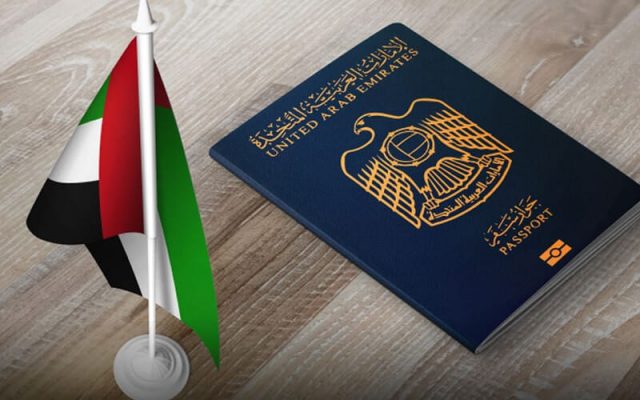

The United Arab Emirates (UAE) has introduced emergency visa and travel restrictions targeting three African nations as authorities seek to contain the impact of an intensifying Ebola crisis.
- The UAE has imposed emergency travel restrictions on the DRC, Uganda, and South Sudan due to an Ebola outbreak.
- All new visas for citizens of these countries are suspended, and travelers from or transiting through them are barred unless they've been in a third country for 21 days.
- Essential cargo flights and regular airport transit remain unaffected by these new rules.
- The outbreak is worsened by mobile populations linked to illegal mining in remote, conflict-affected areas, complicating containment efforts.
The directive from UAE authorities halts all new visa issuances for citizens of the Democratic Republic of the Congo (DRC), Uganda, and South Sudan as the Gulf nation moves to guard against the spread of the ongoing Ebola outbreak.
Travelers coming from or transiting through these countries will be barred from entering the UAE. The only exception applies to individuals who can prove they have spent at least 21 days in a non-restricted third country before arrival.
DON'T MISS THIS: U.S. deploys $13 million, imposes travel restrictions as Ebola outbreak hits DR Congo and Uganda
However, essential cargo flights and standard airport transit operations remain completely unaffected.
Mining, Technology, and the Spread of Disease
The sweeping measures come as a direct response to a deadly outbreak of the rare Bundibugyo strain of Ebola actively spreading through the region.
In the eastern DRC, containing the virus is deeply complicated by remote, conflict-torn regions where rampant illegal gold mining operations create highly mobile, untraceable populations of laborers.
These workers frequently move between deep-forest mining camps and major trading hubs, unknowingly accelerating the geographical spread of the hemorrhagic fever.
To assist medical teams working under these severe operational constraints, tech billionaire Elon Musk intervened by donating Starlink satellite internet kits to the region. Frontline healthcare workers are deploying these units to bridge critical communication gaps in areas entirely devoid of standard mobile infrastructure.
This high-speed connectivity allows field doctors to transmit lab results instantly, conduct real-time disease surveillance, and coordinate regional isolation protocols much faster than was previously possible.
History of Proactive Border Interventions
This aggressive, proactive approach to border control mirrors the UAE's long-standing strategy for managing global health crises.
History shows the Gulf nation does not hesitate to sever travel lines to protect its populace; during the devastating West African Ebola outbreak of 2014, Dubai-based Emirates became the first major international carrier to completely suspend flights to Guinea.
DON'T MISS THIS: UAE's visa ban lift sparks controversy amongst Nigerians
By pulling from the same defensive playbook used during the 2014 epidemic and the COVID-19 pandemic, the UAE relies on its immense regulatory leverage over aviation to insulate its domestic borders from external biological threats.
UAE emergency health networks intend to continuously review the travel restrictions as the outbreak evolves.
Authorities have re-emphasized that the entry ban is a flexible preventive measure that could be expanded or retracted depending on future risk assessments.
For now, the 21-day threshold remains firmly in place, matching the maximum incubation period of the Ebola virus to guarantee that no active cases cross the UAE's borders
Victor Awogbemila