Uganda apex bank starts domestic gold buying to diversify foreign reserves
Uganda’s central bank has begun purchasing gold from domestic producers under a long-planned initiative to add bullion to the country’s foreign exchange reserves.
 Black News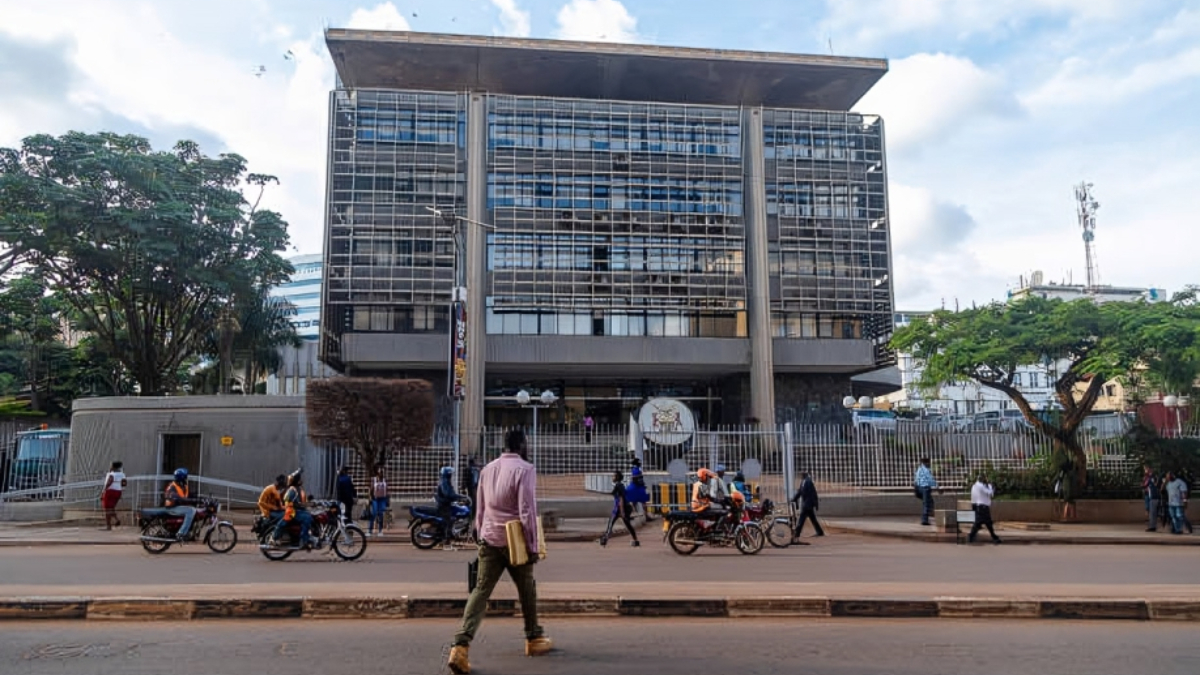


![Bank of Uganda begins domestic gold purchases as part of a three-year pilot programme aimed at strengthening and diversifying the country’s foreign exchange reserves. [Photo by Katumba Badru Sultan/Bloomberg via Getty Images]](https://ocdn.eu/pulscms/MDA_/41ea07e6a75f156b8fe85bb652d53b7e.jpg)
Uganda’s central bank has begun purchasing gold from domestic producers under a long-planned initiative to add bullion to the country’s foreign exchange reserves.
- Uganda’s central bank has begun buying gold from local producers as part of a new strategy to diversify its reserves.
- The Bank of Uganda confirmed its first purchase, though it did not disclose the value or volume of gold acquired.
- The three-year pilot programme aims to reduce reliance on traditional reserve assets and strengthen financial resilience.
- Uganda joins other African economies turning to gold amid rising global efforts to hedge against currency volatility.
The Bank of Uganda said the first acquisition was completed on Friday, though it did not disclose the quantity or value of gold purchased, in an emailed statement shared with Reuters.
The purchases will be conducted under a three-year pilot programme designed to test the integration of locally sourced gold into official reserves.
According to the central bank, the initiative is intended to broaden the composition of its reserve assets and reduce reliance on traditional instruments such as foreign currencies and government securities. The bank said the programme aims to strengthen reserve adequacy and lower exposure to external market volatility.
Uganda joins a growing number of African central banks, including those in Kenya and the Democratic Republic of Congo, that have recently signalled or begun efforts to diversify reserves through gold accumulation.
In recent years, Uganda has emerged as a significant regional hub for gold processing and trade. Official data show the country exported $5.8 billion worth of gold last year, representing a 76 per cent increase from the previous year. However, domestic production remains largely driven by small-scale and informal miners, reflecting the sector’s fragmented structure.
The move comes as central banks globally increasingly reassess reserve composition amid currency volatility and shifting commodity markets, with gold often viewed as a hedge against inflation and external shocks.