U.S. pulls support for Somalia peacekeeping mission, raising fears over fight against al-Shabaab
The United States has said it will stop supporting United Nations logistical assistance for the African Union peacekeeping mission in Somalia from next year, a move that could jeopardise one of Africa’s largest and longest-running security operations.
 Black News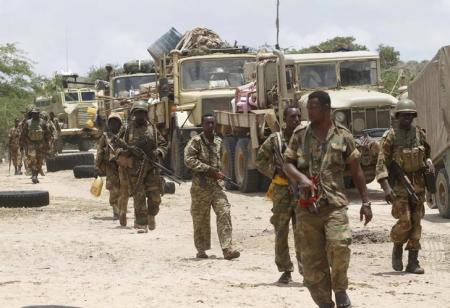
The United States has said it will stop supporting United Nations logistical assistance for the African Union peacekeeping mission in Somalia from next year, a move that could jeopardise one of Africa’s largest and longest-running security operations.
- The U.S. will stop backing U.N. support for the AU mission in Somalia.
- The decision takes effect from 2027.
- Officials warn it could threaten the mission’s operations.
- Washington says Somalia has failed to take over its own security.
According to diplomatic documents reviewed by Reuters, Washington informed the African Union that it would not support the continuation of the U.N. Support Office in Somalia (UNSOS) beyond the end of 2026.
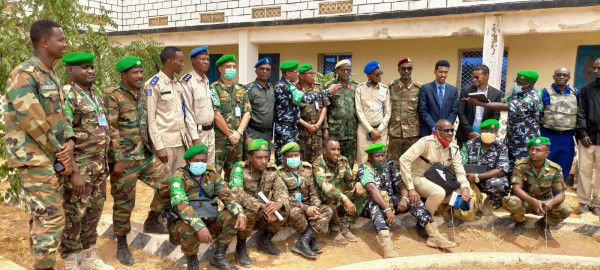
The office provides critical logistical support, including food, fuel, medical services, transport and other operational assistance, to the African Union Support and Stabilisation Mission in Somalia (AUSSOM), which has nearly 12,000 personnel.
While the United States said it would not oppose renewing AUSSOM’s mandate at the U.N. Security Council, it said it would reject any extension that included continued U.N. logistical or operational support.
DON'T MISS THIS: U.S. rejects appeal to fund peacekeeping operations in crisis-hit East African nation
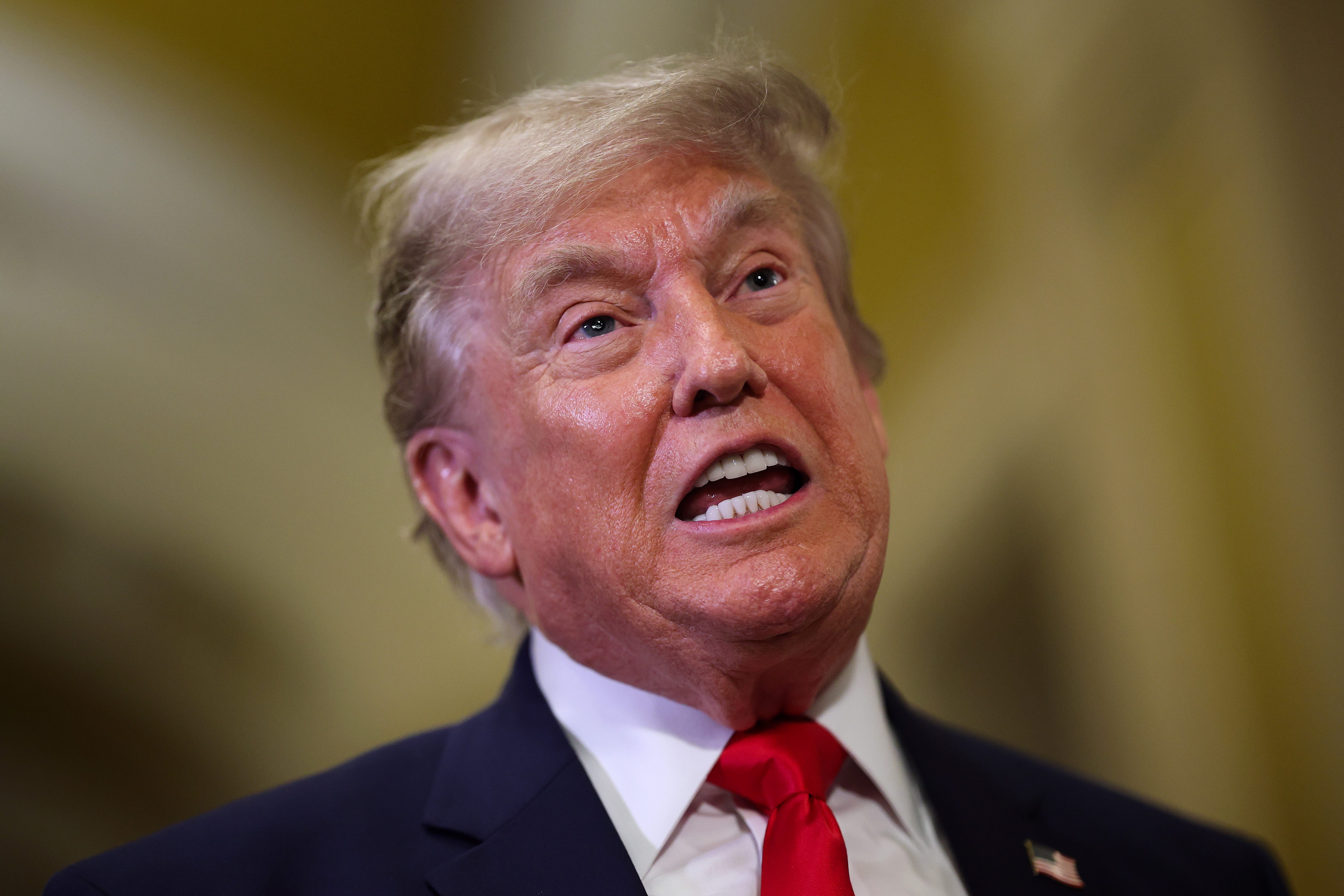
The decision comes as the administration of President Donald Trump reassesses U.S. spending on overseas security missions and argues that Somalia has made insufficient progress towards taking responsibility for its own security despite years of international assistance.
A mission central to Somalia’s security
AUSSOM supports Somalia’s federal government in its fight against the al-Qaeda-linked militant group al-Shabaab, which continues to control large parts of southern and central Somalia and has repeatedly carried out deadly attacks, including in the capital, Mogadishu.
The mission succeeded the African Union Transition Mission in Somalia (ATMIS) in January 2025 as part of a revised strategy aimed at gradually transferring security responsibilities to Somali forces while maintaining support against the insurgency.
However, the mission relies heavily on UNSOS for essential logistics. Without that support, officials say sustaining peacekeeping operations could become significantly more difficult.
Last year, AUSSOM operated on a budget of about $190 million, while UNSOS had an annual budget of roughly $500 million, underscoring the scale of international support required to sustain the operation.
Washington cites lack of progress
A U.S. State Department spokesperson confirmed the policy shift, saying Washington had contributed nearly $2 billion to UNSOS and its predecessor over the years but believed the investment had not produced the intended results.
“The United States has provided nearly $2 billion in assessed contributions to UNSOS and its predecessor… Despite this investment, Somalia has been unable to independently sustain progress that AUSSOM and its predecessor missions have made to degrade and contain al-Shabaab or take ownership of most of its own security functions.
“We should not continue to fund a mission that has not met core objectives and diverts resources away from security priorities with more immediate and direct implications for U.S. interests,” the spokesperson said.
In its diplomatic note to the African Union, Washington also criticised Somalia’s political leadership.
“Internal rivalries and political infighting continue to undermine the fight against al-Shabaab and ISIS, and the benefits of international support will remain limited until Somalia’s leaders unite to address the country’s security and governance challenges.”
African Union warns of operational impact
The African Union has warned that the U.S. decision could have serious consequences for the mission.
According to a letter sent by the AU Commission to members of its Peace and Security Council on Thursday, the decision carries “significant implications for the logistical sustainment, operational posture and financing of the Mission.”
Ahmed Koshin, a Somali lawmaker and former director general in the country’s defence ministry, said the decision could undermine the peacekeeping operation.
DON'T MISS THIS: Egyptian warship loaded with military equipment berths in Somalia as tensions soar with Ethiopia
“This will have huge ramifications for Somalia.The peacekeeping mission is in danger because ultimately you need to be able to support and sustain these forces,” he said.
Two diplomats familiar with the mission also told Reuters that AUSSOM would struggle to continue unless another partner stepped in to replace the U.N. support mechanism.
A new challenge for African peacekeeping
The U.S. decision comes at a sensitive time for African peace support operations.
In recent years, the African Union has pushed for more predictable financing for its peacekeeping missions as external donors have become increasingly reluctant to shoulder the costs of long-running operations.
The U.N. Security Council approved a framework in late 2023 allowing assessed U.N. contributions to finance certain African Union-led peace support operations under strict conditions, but implementation has faced political and funding hurdles.
Somalia remains one of the continent’s most complex security challenges despite nearly two decades of international military support.
Although Somali forces, backed by the AU mission and international partners, have reclaimed territory from al-Shabaab in recent years, the militant group continues to stage deadly attacks and retains influence across large parts of the country.
The latest U.S. decision raises fresh uncertainty over how AUSSOM will be financed and sustained beyond 2026, unless alternative funding arrangements are secured or other international partners step in to fill the gap.