Voices of Influence Pink Panel Discussion: Black Women, Breast Cancer, and the Battle to Be Heard
Three Chicago women open up with Coach Mo about their journeys to survival, the truth beyond the statistics, and the connections to stress that we overlook in our busy society. This Breast Cancer Awareness Month, their stories remind us why awareness alone isn’t enough. Every October, we see pink ribbons, charity walks, and awareness posts […] The post Voices of Influence Pink Panel Discussion: Black Women, Breast Cancer, and the Battle to Be Heard appeared first on Chicago Defender.
 Black News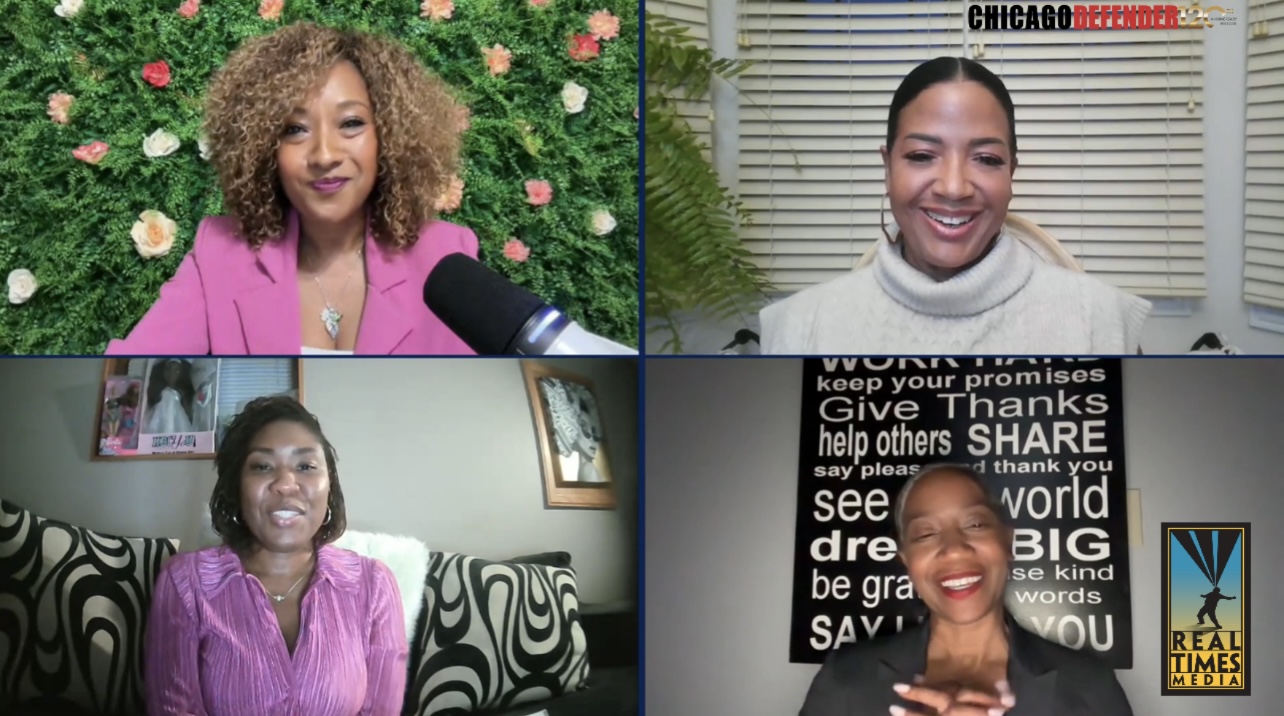


Three Chicago women open up with Coach Mo about their journeys to survival, the truth beyond the statistics, and the connections to stress that we overlook in our busy society. This Breast Cancer Awareness Month, their stories remind us why awareness alone isn’t enough.
Every October, we see pink ribbons, charity walks, and awareness posts flood our timelines. But this year, I wanted to go beyond the slogans and talk with women whose lived experiences remind us what those ribbons really mean.
In a heartfelt Chicago Defender panel, I sat down with three powerful Black women who are not just surviving breast cancer—they are redefining what survival looks like.
Dr. Lakshmi Emory: The Doctor Who Became the Patient
Dr. Lakshmi Emory, MD didn’t expect to be on the other side of the diagnosis room. Her mother had breast cancer. She had breast cancer. And just this year, her famous sister—TV personality Ananda Lewis—passed away after a long battle with the same version of the disease.
Dr. Emory spoke candidly about how the story the public saw was only part of the truth. “My sister was brave, but she chose to treat it even when I suggested she have surgery to remove it.” “She tried to heal naturally at first, but by the time she sought treatment, it was too late.”
Her message for Black women is clear: “Early detection saves lives. Do not wait. Do not assume it cannot happen to you.”
Erika Bracey: The Brave Chick Who Fights for the “Right Now” Needs
Fifteen years ago, Erika Bracey heard the words no woman wants to hear. Since then, she’s called herself The Brave Chick—and she has earned every syllable. Through her organization, Different Shades of Pink, Erika focuses on helping those fighting breast cancer with their “right now” needs: meals, bills, transportation, and emotional support.
Her work proves that compassion can be as powerful as medicine. She has turned her survival into service, reminding us that healing isn’t just about living—it’s about living with purpose.
LaTia Maxwell: The Advocate for the Next Generation
For LaTia Maxwell, the fight started early and swiftly. Diagnosed with Stage 2 Triple Negative Breast Cancer while raising two children, she moved with urgency and faith less than 2 weeks after having a diagnosis and vetted multiple doctors during that short time. “We have to be our strongest advocate.”
Now cancer-free, LaTia has shifted her fight to advocacy. She works to change how research, funding, and policy reflect the realities of Black women—especially those under 40. “Too many of us are being diagnosed younger,” she emphasized. “We need earlier screenings, more representation in research, and care that truly sees us.”
Her voice represents a generation of women demanding better—and refusing to be silent.
Our conversation went beyond diagnosis and recovery. We talked about the quiet distrust many Black women still feel toward the medical system. We talked about the way stress shows up in our bodies—how carrying family, career, and community all at once can take a physical toll.
Awareness is only the beginning. What these women are teaching us is that education, access, and empathy must all work together to save lives. When Black women heal, families thrive. When we speak up, systems shift. And when we take care of ourselves, we teach the world what strength really looks like.
Why Does This Conversation Matter???
Black women are 40% more likely to die from breast cancer than white women, even though our rates of diagnosis are similar. The difference isn’t biology alone—it’s awareness, access, and trust.
This panel was more than a conversation; it was a call to action. A reminder to know your family history, schedule your screenings, and check on your sisters.
Watch the full Voices of Influence discussion now!
Share it with a friend, a daughter, a mother—because one conversation can change the story for all of us.
The post Voices of Influence Pink Panel Discussion: Black Women, Breast Cancer, and the Battle to Be Heard appeared first on Chicago Defender.