What happens when social work leaves the classroom? Commitment over convenience, the case of AAFRO
Over a three-month period, international student Chee, who is completing a Master of Social Work…
 Black News
Over a three-month period, international student Chee, who is completing a Master of Social Work at Southern Cross Education Institute Higher Education, undertook a community placement with the Australian African Foundation for Retention and Opportunity (AAFRO). On the surface, this is a story of a single student gaining practical experience. But beneath this narrative lies a powerful blueprint for bridging the gap between academic theory and the lived realities of diverse communities. This partnership is not merely beneficial; it is a necessary model for sustainable social development.
The placement provided Chee with an opportunity to gain practical experience while contributing to activities involving African communities in Australia. It formed part of his postgraduate education and allowed academic learning to be applied to real-world contexts. However, viewing this solely as a student’s learning opportunity misses the profound symbiosis at work. For the community, Chee’s placement represents an injection of fresh academic insight, research capability, and dedicated energy that can amplify their existing efforts.

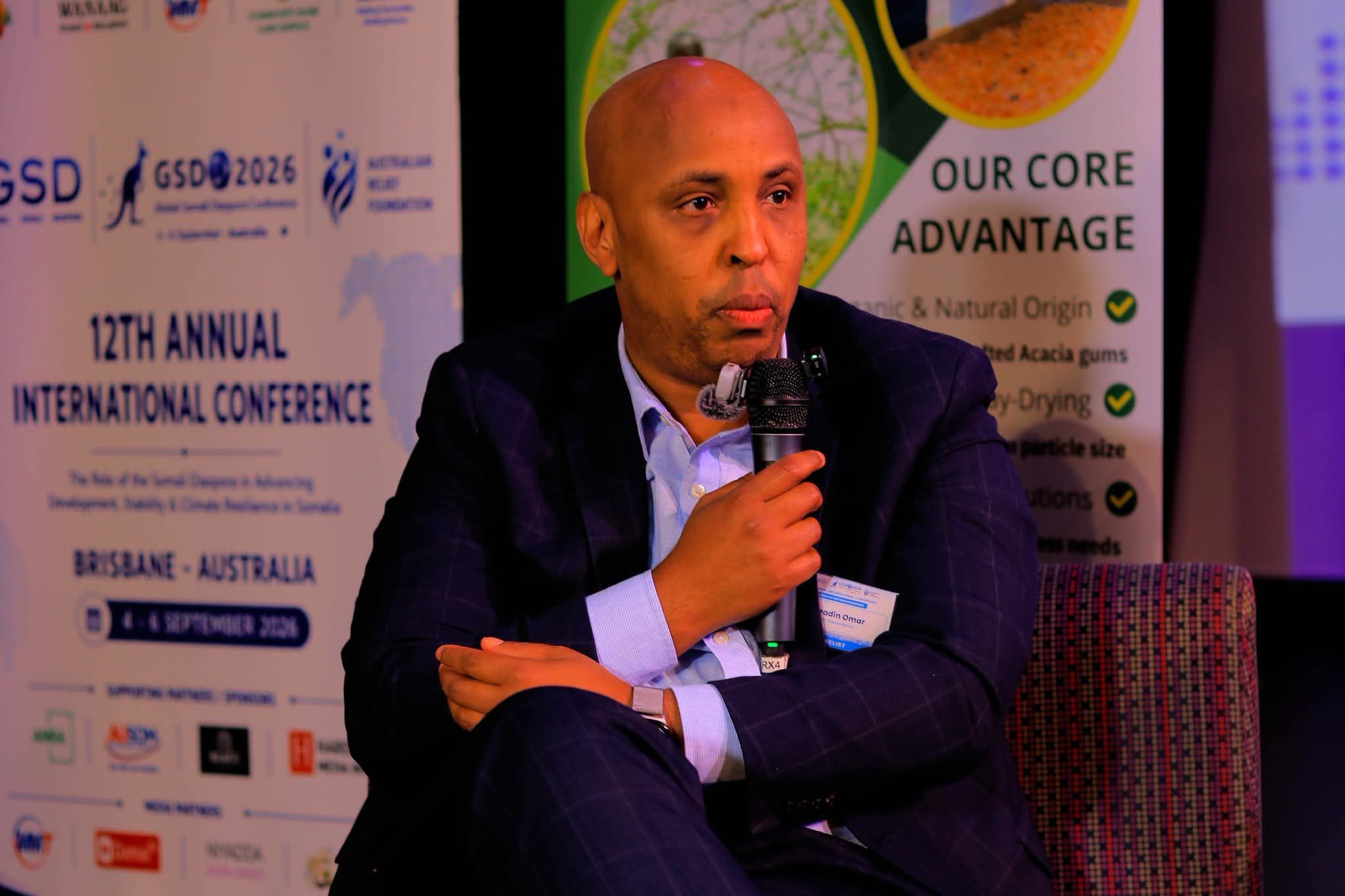
Mamadou, the leader of AAFRO, captures this sentiment powerfully: “When a student like Chee comes into our community, they bring more than just textbook knowledge. They bring a willingness to listen and a fresh perspective that helps us see our own work through a new lens. This collaboration allows us to articulate our needs and our strengths in ways that resonate with policymakers and funders.” His words underscore a vital truth: the relationship is not about universities “helping” communities, but about creating a shared space where knowledge flows in both directions. The community gains a voice amplified by academic rigor, and the student gains a heart informed by lived experience.
Throughout the three months, Chee was involved in community-focused activities, gaining exposure to the practical dimensions of social work outside the classroom. He engaged with community members and developed a greater understanding of listening, advocacy, and connection in community welfare practice. Chee did not arrive as an expert, but as a learner and collaborator. This is a critical distinction. Collaboration is most effective when built on mutual respect, where the university brings rigorous methodologies and the community brings the irreplaceable wisdom of lived experience.
The experience also provided insight into culturally responsive approaches to social work. Community organisations offer students an opportunity to learn directly from the people they seek to support, developing an understanding of the social, cultural and structural circumstances that influence lives. This cannot be replicated in a lecture hall. It is in community centres and during informal conversations that students learn cultural safety and understand that effective intervention must be tailored, not imposed.

For social work students, placements such as this serve as a bridge between academic study and professional practice. They allow students to develop practical skills in communication, advocacy, and community engagement while working within the realities of service delivery. Through community-led practice, students gain experience across cultural and social contexts and develop a stronger understanding of how support systems operate locally. This transforms graduates from theoreticians into practitioners prepared for the complex nature of human-centered work.
Conversely, the benefit to community organisations is equally substantial. Universities are reservoirs of cutting-edge research and theoretical frameworks. When a student is embedded in an organisation like AAFRO, they are not just an extra pair of hands; they are a conduit for intellectual capital. They can assist in evaluating programs, gathering data, and developing evidence-based strategies that strengthen funding applications and policy advocacy. This empowers overstretched and under-resourced community groups to operate with greater strategic impact.
Social work extends across cultural and national boundaries. Its practice is centred on listening, advocating, and working alongside individuals and communities as they navigate challenges. This shared commitment forms the ethical bedrock of collaboration. When universities and community organisations align their missions, they move beyond transactional relationships and create a powerful force for social justice, ensuring academic pursuits are grounded in real human need.
However, for this model to be truly transformative, it must go beyond the temporary. Too often, students arrive, complete their hours, and leave, leaving a gap in their wake. The example set by Chee’s placement should inspire a deeper, more strategic approach. Universities must move towards establishing long-term, reciprocal partnerships that involve co-designing curricula, co-hiring staff, and committing to multi-year projects that outlast a single student’s tenure.
Aafro youth workers with young Africains in Melbourne
Furthermore, educational institutions must ensure these placements are structurally and financially supported. This means providing adequate supervision, cultural safety training, and financial stipends for students who might otherwise be unable to take on unpaid placements. Investing in these structures is an investment in the quality of graduates and the health of communities. It is a rejection of the ivory tower in favor of a campus without walls.
Mamadou emphasises this point with conviction: “This partnership cannot be a one-off arrangement. If we truly want to improve the wellbeing of our members, we need universities to see us as long-term partners, not just placement providers. The academic insight our community gains from this collaboration is invaluable, but it must be sustained. We need commitment, not convenience.” His call for continuity highlights a critical gap. The most meaningful outcomes—trust, cultural understanding, and systemic change—are not built in three months. They are cultivated over years of shared effort and mutual accountability.
Chee’s placement illustrates how collaboration between higher education and community organisations provides valuable learning opportunities while contributing to community-based activities. This partnership should be celebrated, replicated, and scaled. It serves as a proof of concept that dismantles the silos between theory and practice. For every student like Chee, there should be a hundred more, spanning disciplines from public health to education. By fostering these connections, we are building a more resilient and equitable society. As Mamadou wisely concludes, “The wellbeing of our community is not a project to be completed; it is a journey to be walked together. When universities walk with us, we all go further.” This is the model we must champion for a healthier, more just future for all.
J.D. Sharady | AMA contributor