WHO investigates 223 suspected Ebola deaths as Congo outbreak spreads into Uganda
A fast-spreading Ebola outbreak involving a strain with no approved vaccine is forcing governments across East and Central Africa into emergency mode, as the World Health Organization investigates 223 suspected deaths and warns the true scale of infections in the Democratic Republic of Congo (DRC) could be significantly larger than reported.
 Black News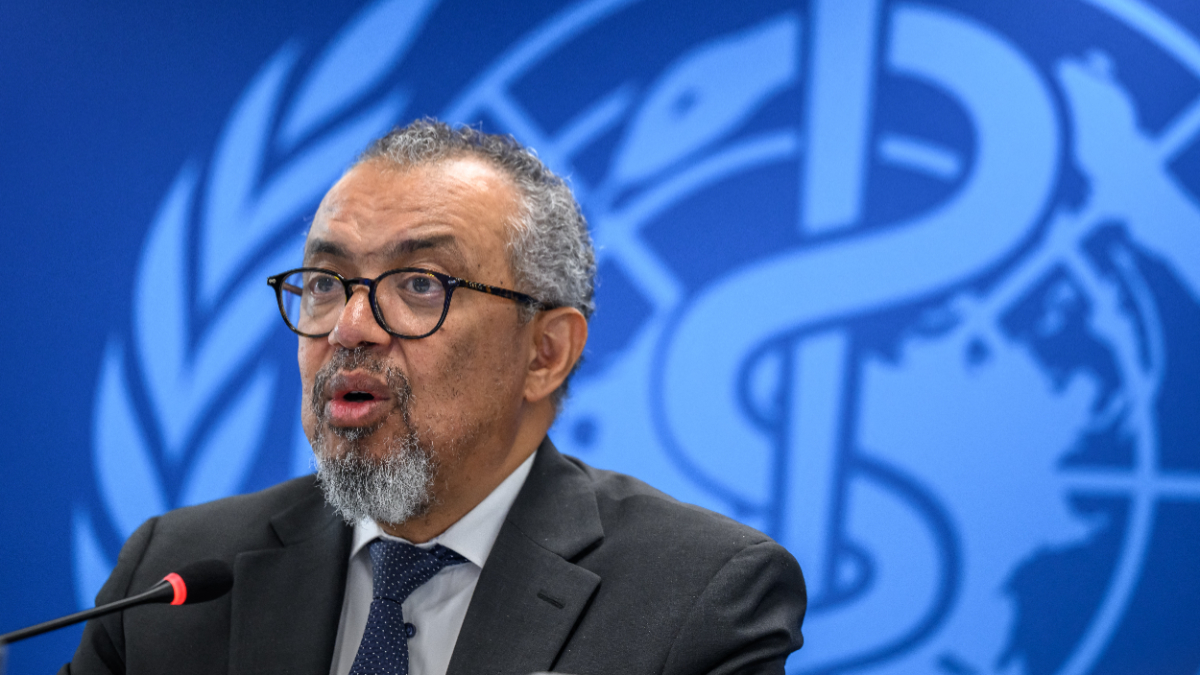
![World Health Organisation (WHO) Director-General Tedros Adhanom Ghebreyesus as WHO investigates 223 suspected Ebola deaths as vaccine-less outbreak spreads across Congo and Uganda. [Photo by Fabrice COFFRINI / AFP via Getty Images]](https://ocdn.eu/pulscms/MDA_/476baa565dc2f97ad48693c0363e06e0.jpg)
A fast-spreading Ebola outbreak involving a strain with no approved vaccine is forcing governments across East and Central Africa into emergency mode, as the World Health Organization investigates 223 suspected deaths and warns the true scale of infections in the Democratic Republic of Congo (DRC) could be significantly larger than reported.
- The WHO is investigating 223 suspected Ebola deaths and 906 suspected cases in the Democratic Republic of Congo.
- The outbreak involves the Bundibugyo strain, which currently has no approved vaccine or treatment.
- Cases have spread into Uganda, while governments and aid agencies ramp up emergency response measures.
- Conflict, displacement and delayed detection are complicating efforts to contain one of Africa’s most serious health threats.
The outbreak, centred in eastern Congo’s mineral-rich but conflict-ravaged provinces, has already crossed into neighbouring Uganda, triggered border restrictions, attracted more than $112 million in international response funding and renewed fears of wider regional disruption if containment efforts fail.
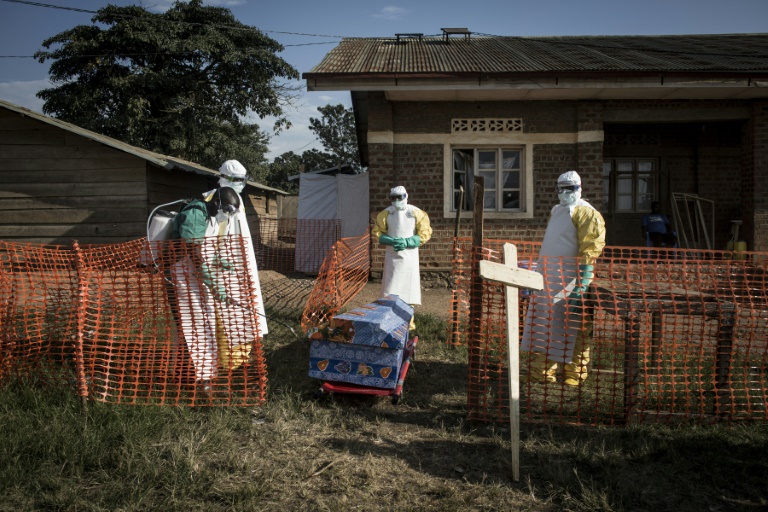
The WHO said on Friday that authorities had recorded 906 suspected Ebola cases and 223 suspected deaths in the DRC. So far, 125 cases and 17 deaths have been confirmed across Ituri, North Kivu and South Kivu provinces.
Uganda has also reported confirmed infections linked to the outbreak, highlighting the growing cross-border risk in one of Africa’s busiest migration and trade corridors.
What makes this outbreak particularly concerning is that it involves the Bundibugyo strain of Ebola, a rare variant for which there is currently no approved vaccine or specific treatment.
The WHO declared the outbreak a Public Health Emergency of International Concern earlier this month after evidence suggested the virus had been spreading undetected for weeks before health authorities identified it.
That delay has complicated efforts to trace contacts and isolate infected individuals, raising concerns that the number of infections may continue to rise as more testing is carried out.
A deadly virus in a volatile region
Health experts estimate that the fatality rate among confirmed Bundibugyo Ebola cases ranges between 30% and 50%.
“It means that up to five out of 10 people are likely to die,” Anaïs Legand of the WHO Health Emergencies Programme told reporters.
While the figures remain preliminary, the estimate underscores the seriousness of the outbreak.
The crisis is unfolding in a region already struggling with armed conflict, mass displacement and fragile healthcare systems.
Eastern Congo is home to some of the world’s most valuable deposits of gold, tin, tungsten and other critical minerals that feed global supply chains.
However, years of insecurity have weakened healthcare infrastructure and complicated emergency responses.
More than 245,000 people have fled eastern Congo since January 2025, according to United Nations figures, creating conditions that make disease surveillance and containment significantly more difficult.
WHO Director-General Tedros Adhanom Ghebreyesus, who arrived in Kinshasa this week to support the response, said the outbreak remains controllable despite the challenges.
“No cause, no conflict, no grievance is worth condemning innocent people to death from a preventable disease,” he said in an appeal for a ceasefire among armed groups operating in the region.
DON'T MISS THIS: Africa on edge as Ebola outbreak threatens 10 countries and triggers global alarm
First recovery offers hope
Despite the growing case count, health officials say there are early signs that treatment efforts are beginning to show results.
The WHO confirmed that the first patient recovered from Ebola and was discharged from a treatment centre after returning two negative test results.
Several additional patients are also expected to recover.
Health authorities are expanding laboratory capacity and processing a large backlog of samples from suspected cases, which could provide a clearer picture of the outbreak in the coming days.
Officials caution that suspected case numbers may initially rise as surveillance improves, but say this would indicate that more infections are being detected rather than missed.
International response accelerates
The outbreak has prompted a growing international response as governments seek to prevent wider spread.
The United States has committed more than $112 million to regional Ebola response efforts and preparedness measures.
Additional medical supplies and emergency equipment are arriving in affected areas, while UNICEF plans to deploy around 100 tonnes of humanitarian aid.
Uganda has tightened controls along its border with Congo following confirmed imported cases, though the WHO continues to discourage broad travel bans, arguing they often push travellers towards informal crossings that are harder to monitor.
Washington has also imposed temporary entry restrictions on certain travellers who recently visited Congo, Uganda or South Sudan.
Meanwhile, Kenya’s High Court has temporarily halted plans to establish a quarantine and treatment facility for affected U.S. citizens pending legal challenges over the proposal.
A familiar threat returns
The latest outbreak is the 17th recorded Ebola epidemic in the DRC, the country where the virus was first identified in 1976.
Over the past five decades, Ebola outbreaks have killed more than 15,000 people across Africa. The deadliest recent epidemic in the DRC infected about 3,500 people and claimed nearly 2,300 lives between 2018 and 2020.
For now, health officials insist the outbreak can still be contained. But with no approved vaccine available, cases already crossing borders and conflict continuing across eastern Congo, the coming weeks are likely to determine whether the region can stop the virus before it becomes a far larger international health crisis.