Why I miss Black TV sitcoms
Rewatching classic 90s Black sitcoms reveals a quiet grief for lost cultural touchstones.
 Black News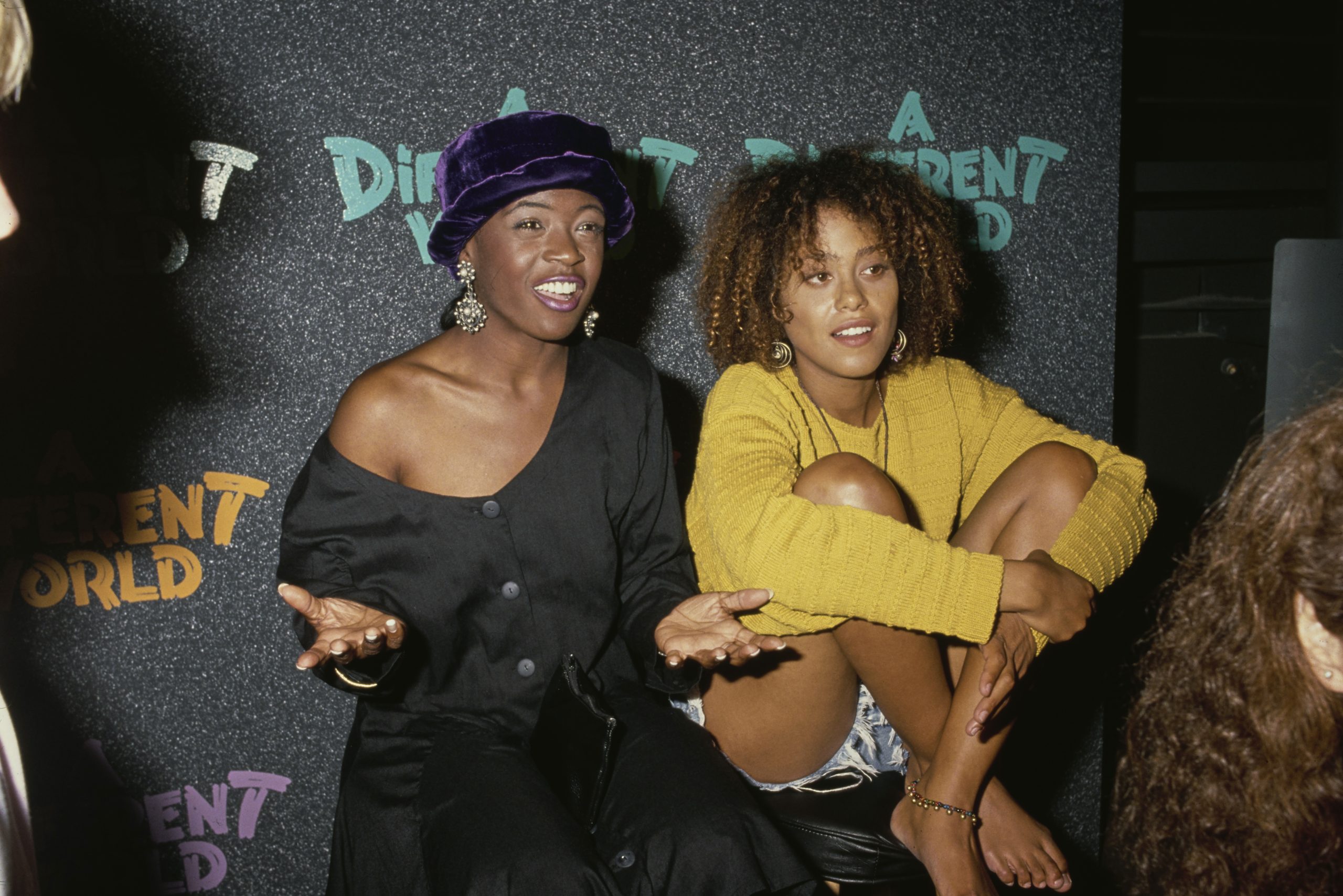

If you’re a fan of Black sitcoms and television shows from the 90s and early 2000’s, you were probably excited about the trailer for the “A Different World” spinoff dropping on September 24.
I’m not a big fan of spin-offs, but with the way the world is today, any kind of positive and wholesome shows will be on my bucket list to watch.
“A Different World” was known for its authentic representation of the Black college experience and its bold engagement with complex social issues. Under the direction of Houston’s beloved Debbie Allen, it evolved from a typical sitcom into a culturally significant series, challenging stereotypes, celebrating HBCU culture, and helping drive a rise in university enrollment.
These days, a particular kind of sadness settles in when I turn on the Bounce TV channel to watch some of my favorite shows from yesteryear.
The nostalgia always reminds me of the simpler times. The communal living rooms, the familiar faces, and the certainty that Black joy belonged on your television screen every single week.
There was no algorithm deciding what I deserved to see. There was just a night, a time slot, and an unspoken agreement between an entire family that we would all be in the same place at the same moment. That kind of togetherness did not feel special back then because we did not know it could disappear.
I’ll be folding laundry or winding down after a long day, and suddenly the theme song from “Martin” or “Moesha” fills the room. Now that I think of it. I haven’t heard a good television theme song in years.
In the mid-1990s, network television featured multiple prime-time Black shows, bringing families together. Today, this communal viewing has declined, replaced by streaming platforms that offer on-demand content, which, while convenient, lacks the familial warmth of traditional appointment viewing.
During the 1990s, Black households watched approximately 40% to 50% more television per week than non-Black households. Because of this higher volume of television consumption, Black viewers delivered disproportionately high ratings.
Revisiting “Fresh Prince of Bel Air,” “Sister Sister,” “Family Matters,” or “Smart Guy” today can be on repeat, and I’ll watch it as I’ve never watched it before. These shows modeled chosen families, collegiate communities, and neighborhoods at a time when such representation was a challenge in mainstream media.
That is not to say that today’s television lacks merit. Cultural critics have described the current era as a new golden age of Black television, pointing to Issa Rae’s “Insecure” and Quinta Brunson’s “Abbott Elementary” as evidence of a genuine renaissance driven by Black creators with greater production authority than any generation before them. These series are sharper, more serialized, and in many cases, more creatively ambitious than their predecessors.
But the mechanics of how people watch have changed in ways that cannot simply be reversed. Streaming and binge culture, however liberating, fragments audiences rather than gathering them.