World’s second-largest cocoa producer seeks $1.4 billion at home after three-decade foreign loan model collapses
Ghana is seeking $1.4 billion (GH¢16.3 billion) from local investors after the collapse of the foreign financing system that supported cocoa purchases in the world’s second-largest producing country for more than three decades.
 Black News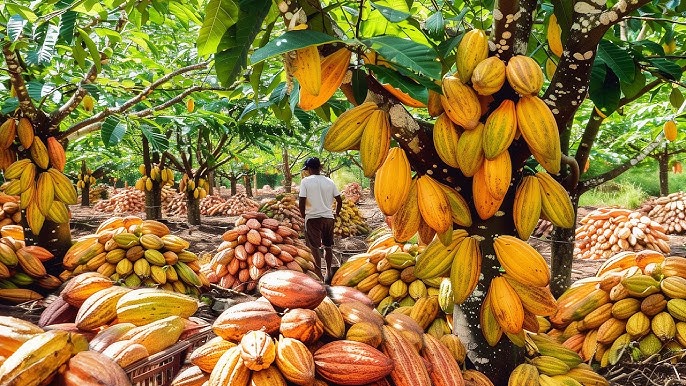

Ghana is seeking $1.4 billion (GH¢16.3 billion) from local investors after the collapse of the foreign financing system that supported cocoa purchases in the world’s second-largest producing country for more than three decades.
- Ghana is seeking $1.4 billion from local investors to finance cocoa purchases after its traditional foreign funding system collapsed.
- Cocoa Capital plans an initial GH¢2.3 billion bond and GH¢4 billion in commercial paper, but no notes had been issued at the time of writing.
- Licensed cocoa buyers say COCOBOD still owes about $347 million for cocoa supplied during the previous season.
- The financing push comes as Ghana cuts farmer prices and expects cocoa production to fall at least 16% in 2026/27.
The programme will be managed through Cocoa Capital PLC, a special-purpose company owned by the Ghana Cocoa Board, commonly known as COCOBOD.
Reuters reported that a government presentation to investors outlined plans for an initial GH¢2.3 billion bond and GH¢4 billion in commercial paper.
However, the official Cocoa Capital issuance page said at the time of writing that “No Notes have been issued under the Programme.”
Ghana has established the financing platform and approached investors, but it has not completed the entire $1.4 billion fundraising.
DON'T MISS THIS: Ghana turns to local investors for $1billion cocoa funding amid mounting debt pressure
Foreign loans give way to local debt
Ghana traditionally borrowed from a group of international banks before each cocoa season, using future cocoa exports to secure money for purchases from farmers.
The arrangement had been used since the 1992/93 crop season but broke down during the 2023/24 season. A subsequent attempt to obtain advance financing from international commodity traders also failed last season, contributing to delayed payments.
Under the new structure, commercial paper with maturities ranging from 15 to 270 days will finance cocoa purchases. Bonds lasting as long as five years can be used to refinance approved legacy debts.
![Cocoa buyers say COCOBOD still owes them about $347 million from the previous crop season.[Stock Photo'/Getty Images]](https://ocdn.eu/pulscms/MDA_/2c10275d8fb189c82400f52adf9fc95a.jpg)
The official programme information states that “Commercial Paper proceeds support payments relating to cocoa beans delivered by Licensed Buying Companies.”
DON'T MISS THIS: Licensed cocoa buyers in Ghana face $750 million debt pile to banks
Repayments will primarily come from cocoa-export receivables assigned to the programme and paid through controlled accounts. Banks, pension funds, insurers, stockbrokers, wealthy individuals, institutional investors and international cocoa buyers are eligible to participate.
Buyers await $347 million
The financing push comes as licensed cocoa buyers say COCOBOD still owes them approximately $347 million (GH¢4 billion) for cocoa supplied during the previous season.
The Chamber of Cocoa Marketers has warned that the unpaid obligations and uncertainty over new financing could affect purchases when the next season begins.
Ghana and neighbouring Ivory Coast agreed in June to coordinate the prices paid to farmers and the opening dates for their cocoa seasons. Ivory Coast opened its season on September 1, but Ghana had yet to announce its date when the financing plan was disclosed.
The delayed start puts additional pressure on Accra to secure funding before farmers begin delivering the new crop.
DON'T MISS THIS:Ghana slashes cocoa farmgate price to $3,580, rolls out bond financing plan
Ghana attempts to repair its cocoa finances
The latest initiative follows months of measures aimed at stabilising COCOBOD.
In February, Ghana reduced the official price paid to farmers from GH¢58,000 to GH¢41,392 per tonne after international cocoa prices fell and buyers became reluctant to purchase Ghanaian beans at the higher price.
Finance Minister Cassiel Ato Forson said at the time that Ghanaian cocoa had become “uncompetitive and very expensive.”
COCOBOD also paid GH¢2.3 billion to holders of restructured bonds in September. Together with an earlier coupon payment, its payments to affected bondholders reached GH¢2.68 billion in 2026.
Ghana’s cocoa production is meanwhile expected to fall by at least 16% during the 2026/27 season because of weather conditions, crop disease, ageing farms and the expansion of illegal gold mining into cocoa-growing areas.
The $1.4 billion domestic programme therefore carries two risks. Ghana must persuade local investors to finance a sector with considerable legacy obligations while ensuring that debt repayments do not consume the proceeds needed to pay farmers and keep cocoa flowing to export markets.