5 reasons Europe and the U.S. are losing Africa’s rare earth and critical minerals race to China
China’s growing dominance across Africa’s lithium and rare earth sectors is reshaping global industrial power, giving Beijing greater control over minerals critical to electric vehicles, artificial intelligence, defense systems and advanced manufacturing, even as the United States retains stronger control over global shipping routes and maritime security.
 Black News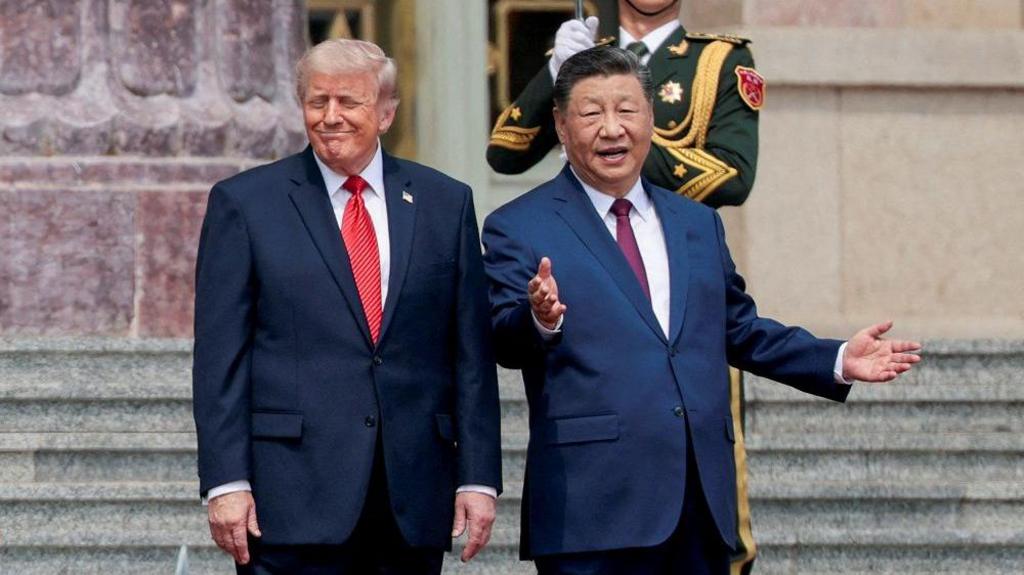

China’s growing dominance across Africa’s lithium and rare earth sectors is reshaping global industrial power, giving Beijing greater control over minerals critical to electric vehicles, artificial intelligence, defense systems and advanced manufacturing, even as the United States retains stronger control over global shipping routes and maritime security.
- China has established dominant control over Africa's lithium and rare earth sectors, giving it significant influence in global supply chains for critical minerals.
- The U.S. and Europe are struggling to counter China's entrenched position, as Beijing secures mineral supply years ahead through early investments, financing, and long-term agreements.
- Chinese strategy extends beyond mining to include financing, infrastructure, and logistics, enabling deeper partnership with African nations and locking in mineral flows.
- China also controls the crucial processing and refining stages, making Western countries reliant on Chinese infrastructure even if they obtain mining rights.
The strategic rivalry has intensified as Donald Trump holds trade discussions with Xi Jinping in Beijing, where critical minerals and rare earth supply chains are expected to feature prominently in wider U.S.-China negotiations.
At the same time, tensions and competing industrial priorities between the United States and Europe have complicated Western efforts to build a unified alternative to China’s dominance in critical minerals supply chains.
While Washington and Europe continue trying to diversify supply chains away from China, Beijing’s advantage across Africa’s mining ecosystem remains deeply entrenched, extending beyond mine ownership into financing, processing, logistics and long-term supply agreements.
China’s Playbook Starts Before the Mine Exists
According to analysis by Rare Earth Exchanges, China’s dominance in Africa extends far beyond mining into processing, logistics, financing and long-term offtake control.
Chinese firms frequently enter projects during exploration or early feasibility stages, long before commercial production begins.
By buying stakes in junior miners, negotiating joint ventures and locking in long-term offtake agreements, Chinese companies often secure future mineral supply years before competitors arrive.
This early-entry strategy has become visible across lithium, cobalt, graphite and rare earth projects from Mali and Zimbabwe to the Democratic Republic of the Congo and South Africa.
Analysts say this allows Beijing to shape projects from inception while Western companies frequently arrive later when valuations and geopolitical competition have already intensified.
China Brings Financing the West Often Avoids
China’s advantage also comes from its ability to combine financing, construction and political flexibility into a single package.
Chinese policy banks and state-backed firms can finance projects many Western institutions consider too risky, particularly in regions such as the Sahel, including Mali, Burkina Faso and Niger.
Once agreements are secured, contractors often complement mining deals with roads, hospitals, railways and power infrastructure, alongside security support through training, equipment and joint exercises.
Chinese firms are also often quicker to assume development funding obligations when Western-backed miners exit projects, as seen in Ghana’s Ewoyaa lithium project, where Zhejiang Huayou Cobalt stepped in after the withdrawal of U.S.-linked Elevra Lithium.
According to industry analysis, the model helps accelerate project timelines, secure political goodwill and reduce dependence on Western capital markets.
Control of Logistics Gives China an Edge
Analysts note that China’s dominance extends beyond mining itself.
“Mines are only as valuable as their export routes,” one industry assessment noted.
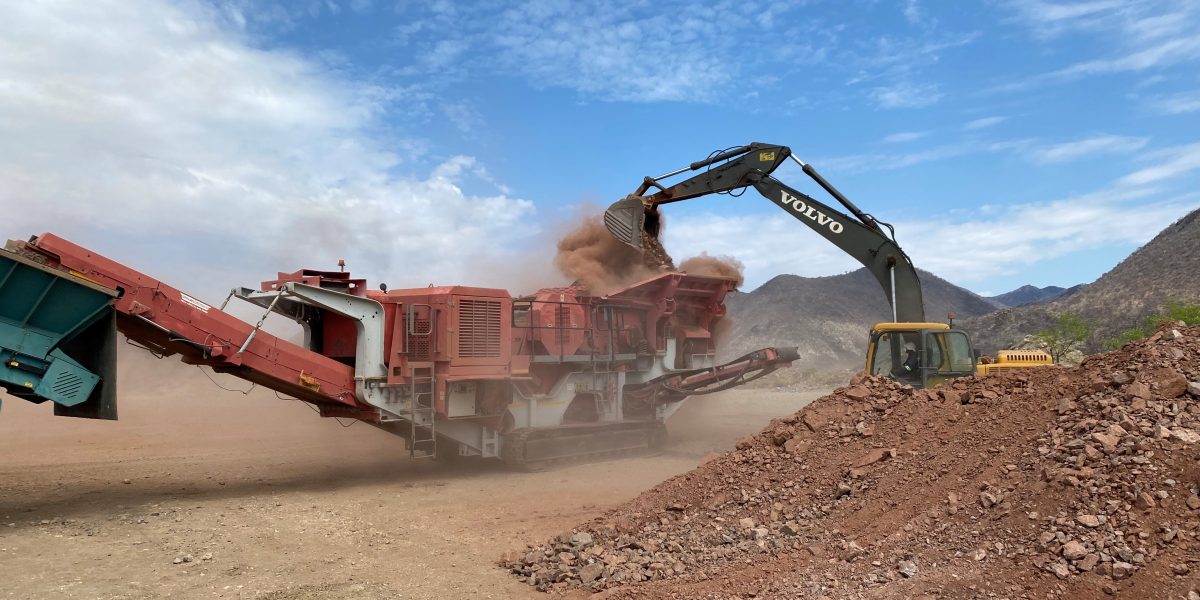
Chinese companies frequently pair mining investments with logistics infrastructure, including railways, ports, roads and power systems, ensuring that minerals flow directly into Chinese-controlled industrial and trade networks.
The model is visible across Guinea’s bauxite and Simandou corridors, the DRC-Zambia copper belt, lithium routes in Zimbabwe and Mali, and Mozambique’s graphite export networks.
Processing Remains China’s Biggest Weapon
The biggest advantage for Beijing, however, lies beyond mining itself and deeper inside the supply chain.
China dominates global rare earth separation, refining and magnet manufacturing capacity, giving it control over some of the most profitable and strategically important stages of critical minerals production.
Even where African governments push for local beneficiation, firms often establish limited processing operations while keeping higher-value refining and advanced manufacturing inside China.
“Processing and refining are where pricing power lives,” analysts noted.
That remains one of the West’s biggest structural weaknesses. Even when U.S. and European firms secure mining rights in Africa, much of the material still passes through Chinese-controlled processing networks before reaching global markets.
The dependence has become increasingly strategic as rare earths and lithium grow more essential to electric vehicles, defense systems, semiconductors and AI infrastructure.
Even with U.S. influence over global shipping routes and maritime security, analysts say the West risks remaining dependent on Beijing for rare earths and critical minerals without matching China’s financing power, infrastructure networks, processing capacity and execution speed as Africa becomes central to the global critical minerals economy.