Champagne 101
Introduction to Champagne and pairing it with food
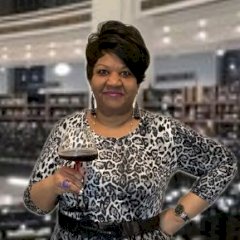 Wanda Haynes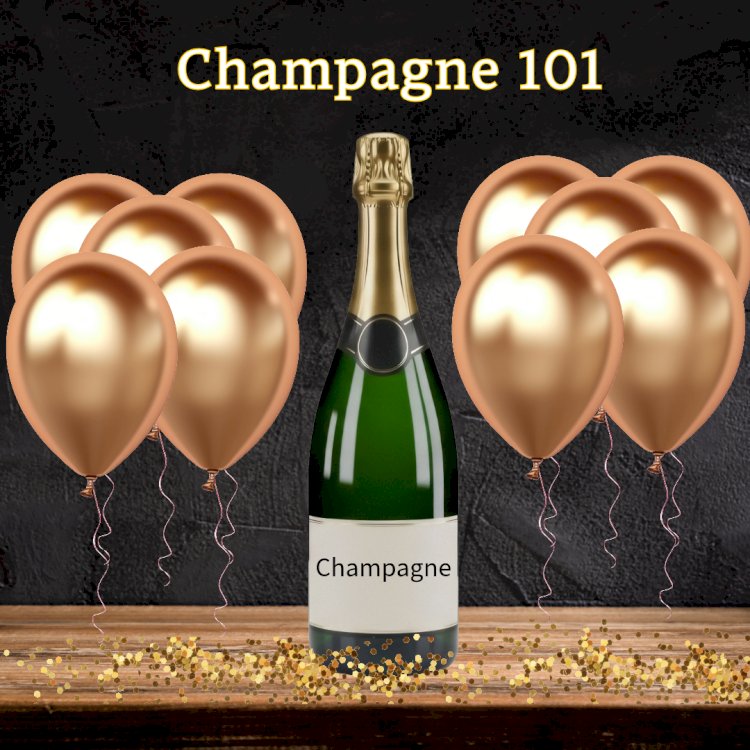
Wanda Haynes-Certified Sommelier
I can’t imagine a world without a bottle of Champagne to help celebrate life.
Champagne is made from a combination of chardonnay, pinot noir, and pinot meunier, and produced in the Champagne region of France. Champagne is fermented twice using CO2 during the second fermentation. This is when the millions of bubbles are formed. This age-old process is called “method traditional.” Brut is a French term that means "dry" and is used to describe a type of Champagne with a low sugar content.
Vintage Champagne is a sparkling wine that is made exclusively from grapes harvested in a specific year when the harvest was exceptional.
Nonvintage Champagne (NV) also known as multi-vintage, are produced from a variety of growth years. The goal is to produce a consistent wine every year; this version of Champagne is the most affordable and accessible. Other sparkling wines aren’t Champagne, and they’re from other place with other names.
Perlage refers to this fine chain of bubbles in sparkling wine. Originating from the French word for "pearl”. Mousse refers to the frothy, creamy foam that forms on the surface of sparkling wine immediately after pouring.
The nose is fanciful with whispers of apples, quince, pear, lemon rind, iris, violets, and a summer breeze. Tastes of Champagne consist of baked brioche, simmered fall pears, granny Smith apples, toasted almonds, hazelnuts, and orange blossoms.
Champagne pairs well with coconut shrimp, roasted herbed chicken, salmon, omelets, chocolate croissant, French toast, fresh fruit, and lobster mac+cheese. Think about making a Champagne mimosa with high quality orange juice, no ice.
Left over Champagne can be used to marinate fresh fruit, the alcohol will still be present, this treat is for adults 21 and older. Storing any sparkling wine has little shelf life and the bubbles start to dissipate within hours of opening. There are plenty of devices on the market that help to save some bubbles, but finishing the wine is the best option.
Champagne Glasses
It is a fun rumor that the prototype for the coupe Champagne glass was formed on the left breast of Madame Marie Antoinette. The tulip Champagne glass is beautiful as part of a formal table setting. The classic flute is a narrow Champagne glass and can be purchased with gold rims. Stemless doubled walled glasses don’t allow touching the actual glass holding the wine, and as a result the wine stays colder longer. Consider washing all wine glasses with baking soda, avoiding liquid soap and the dishwasher. Protecting the glass from soap residue and the possible harm of an automated dish washer.