A Billion Tiny Insects are Getting the Better of the Hartbeespoort Hyacinth
350,000 hoppers were released last year. Scientists say the impact is visible. Hartbeespoort, South Africa (10 April 2026) – Water hyacinth, originally from South America, has infested the Hartbeespoort... The post A Billion Tiny Insects are Getting the Better of the Hartbeespoort Hyacinth appeared first on Good Things Guy.
 Black News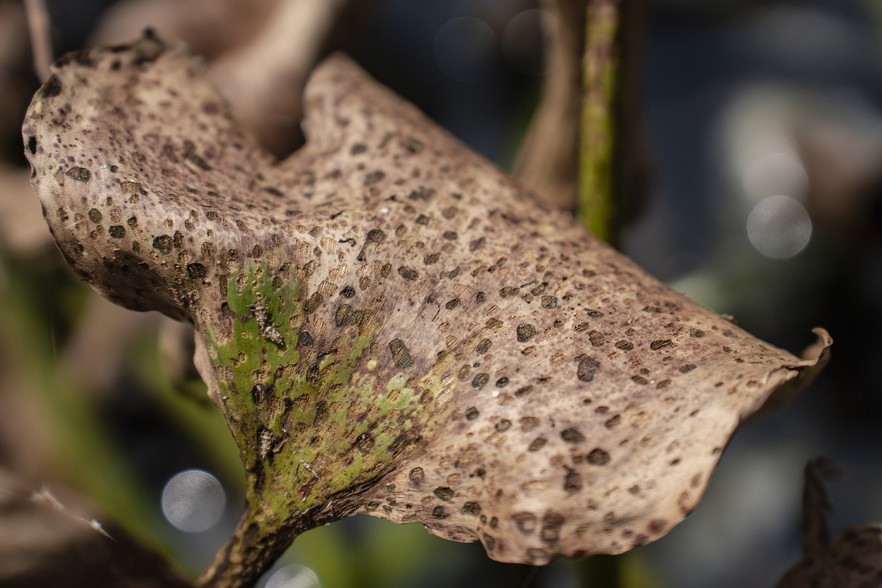
350,000 hoppers were released last year. Scientists say the impact is visible.
Hartbeespoort, South Africa (10 April 2026) – Water hyacinth, originally from South America, has infested the Hartbeespoort Dam since the 1960s, thriving on nutrient-rich, polluted water entering the dam.
The plants cover the water, blocking sunlight and depleting oxygen levels, which impacts the ecosystem. Tourism around the dam is also affected.
Until 2016, water hyacinth at the Hartbeespoort Dam was predominantly controlled with herbicides.
When this was stopped by the Department of Water and Sanitation because the resulting blue-green algal blooms contaminated irrigation water, new measures had to be adopted to control the rapidly spreading plant.
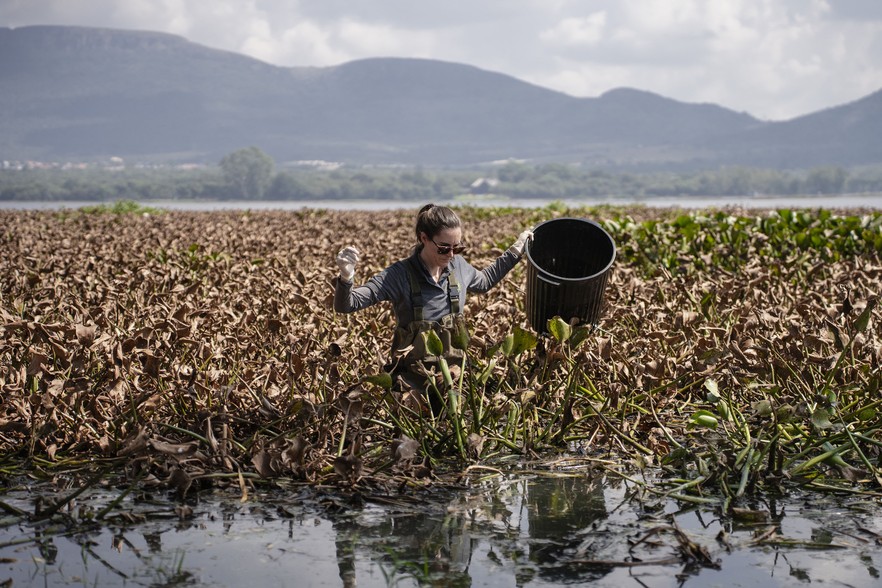
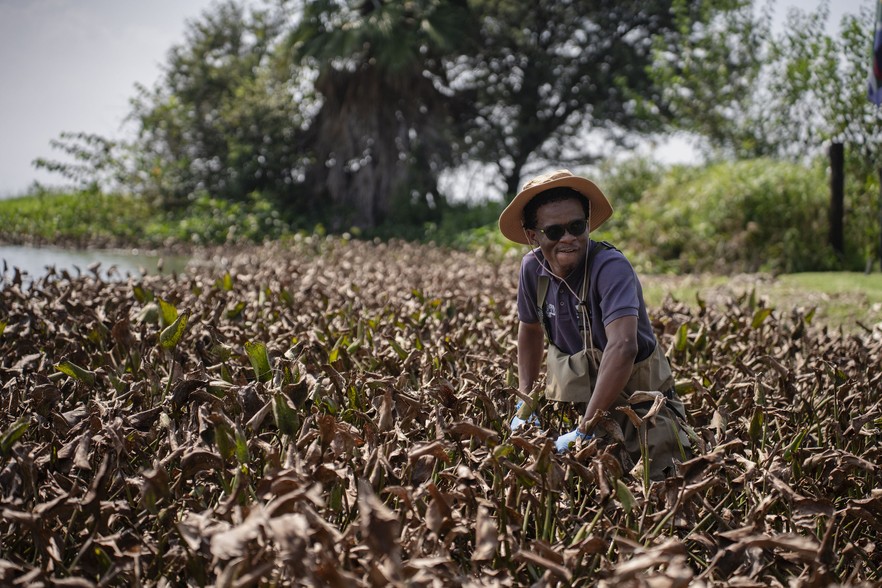
These measures, which include manually removing plants, releasing hyacinth-eating bugs, and other experimental techniques, now appear to be having an impact.
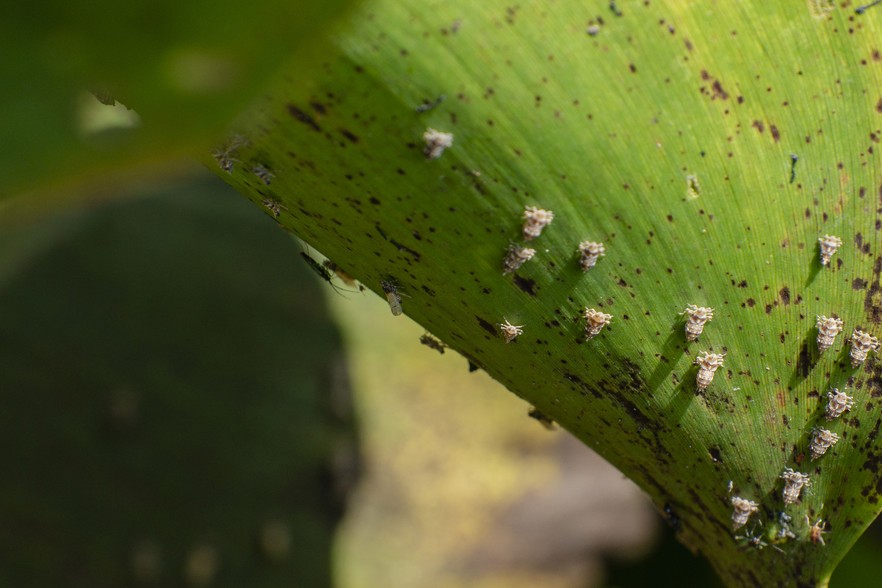
Dr Kelby English from the Centre for Biological Control (CBC), which oversees the biological control strategy at the dam, says the use of water hyacinth plant hoppers (Megamelus scutellaris) has led to progress. These are tiny insects about 3mm in size, which pierce the tissue of the hyacinth, causing it to rot and lose buoyancy.
The CBC has been doing biocontrol since 2018. Hyacinth coverage during the winter of 2017 remained above 30%. Since spring 2019, coverage has been below 5% during the winter months.
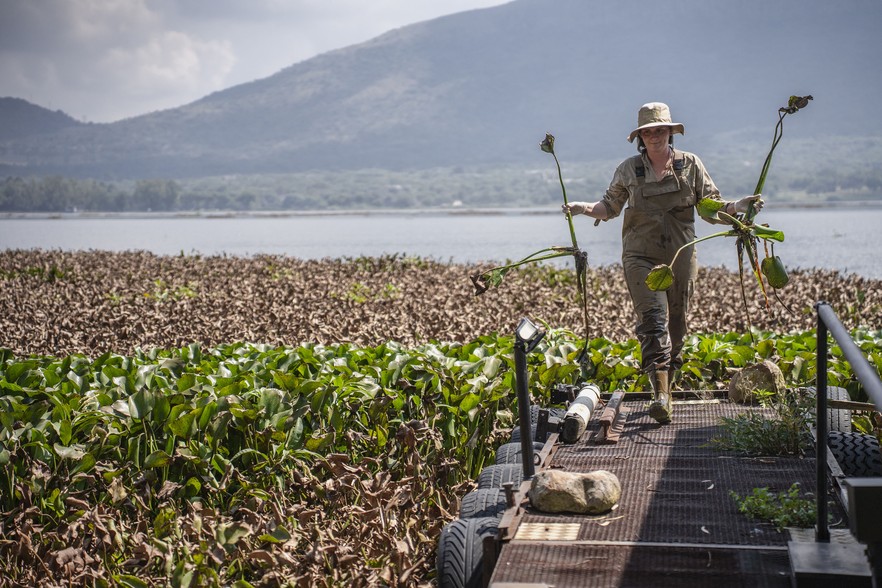
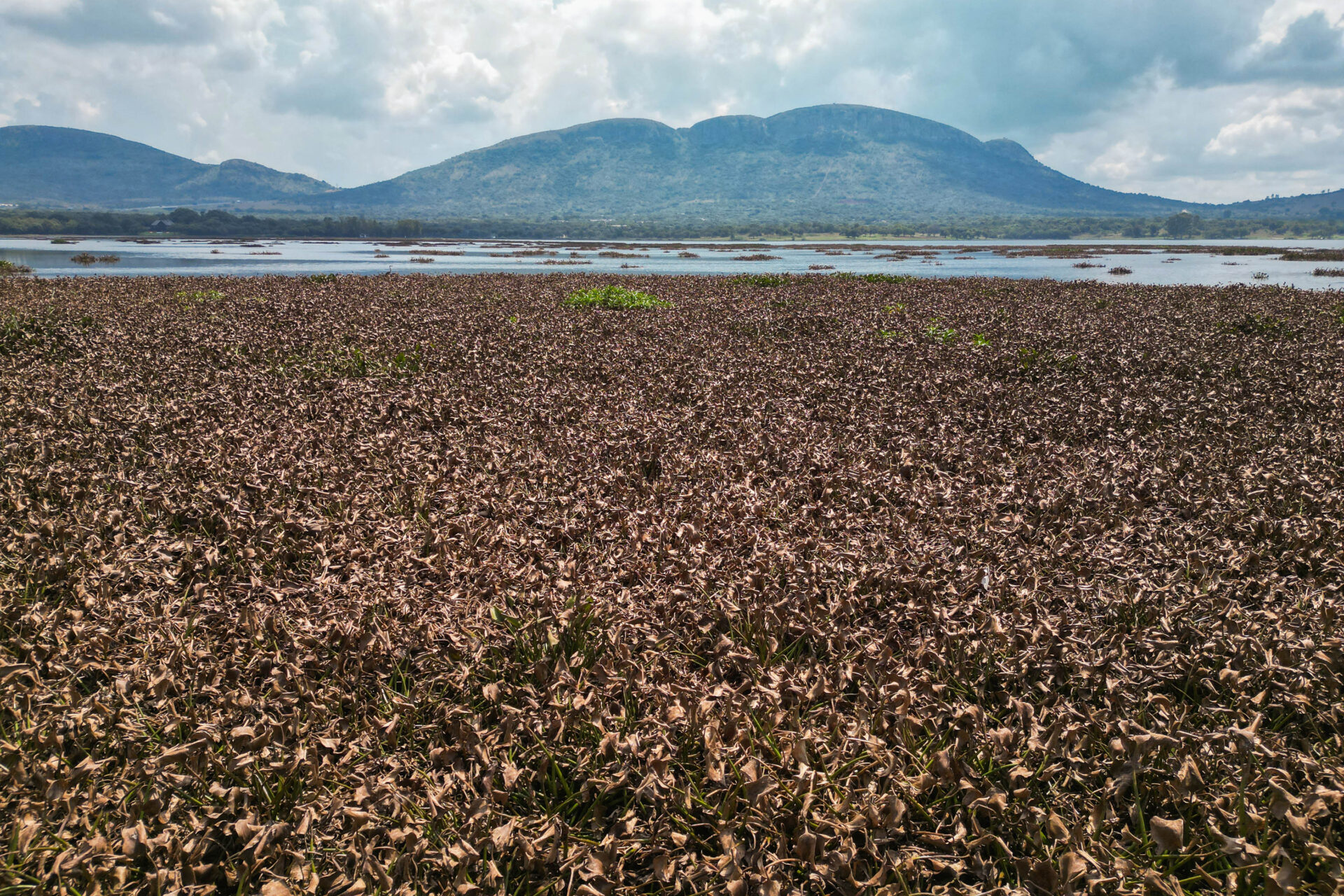
During peak summer months, in which hyacinth thrives, more than half the dam can be covered. This January, although 52% of the dam was covered by hyacinth, satellite imagery shows that many of the plants were beginning to turn from green to brown, suggesting that they were not in good health and that the plant hoppers are having an effect. Some parts of the hyacinth “carpet” have lost buoyancy and started to sink.
350,000 plant hoppers were released into the dam by the CBC between September and December last year. English says the population probably exceeded a billion in the summer months.
In addition to the discolouration, fewer hyacinth plants are producing flowers. This indicates that the plant hoppers are successfully preventing the plants from producing seeds that spread.
“Biocontrol does work. It’s not a quick process, but it is effective over time. We have reduced the seed bank, and we have observed very few flowers, meaning that very few new seeds are being added to the soil,” said English.
GroundUp provides independent news about events and people in South Africa. If you would like to support the work they are doing, you can donate here, visit the website here or follow them on Facebook or Instagram.
Sources: GroundUp
Don’t ever miss the Good Things. Download the Good Things Guy App now on Apple or Google.
Do you have something to add to this story? Please share it in the comments or follow GoodThingsGuy on Facebook and Twitter to keep up to date with good news as it happens, or share your good news with us by clicking here or click the link below to listen to the Good Things Guy Podcast with Brent Lindeque – South Africa’s very own Good Things Guy. He’s on a mission to change what the world pays attention to, and he truly believes there’s good news around us. In the Good Things Guy podcast, you’ll meet these everyday heroes and hear their incredible stories:
Or catch an episode of Good Things with Brent Lindeque or our Weekly Top 5 below. The videos here are always changing, updated with the latest episodes from these two shows. Both are part of Good Things TV, created to bring South Africans balance at a time when the news can feel overwhelmingly negative. Our goal is simple: to remind you that there are still so many good things happening in our country – and to leave you feeling a little more proudly South African.
The post A Billion Tiny Insects are Getting the Better of the Hartbeespoort Hyacinth appeared first on Good Things Guy.