Adwoa Beauty Tried To Survive In An Industry That Was Never Really Built For Black Hair
Adwoa Beauty is gone now. Read more about how the beauty industry treats Black beauty brands and founders.
 Black News
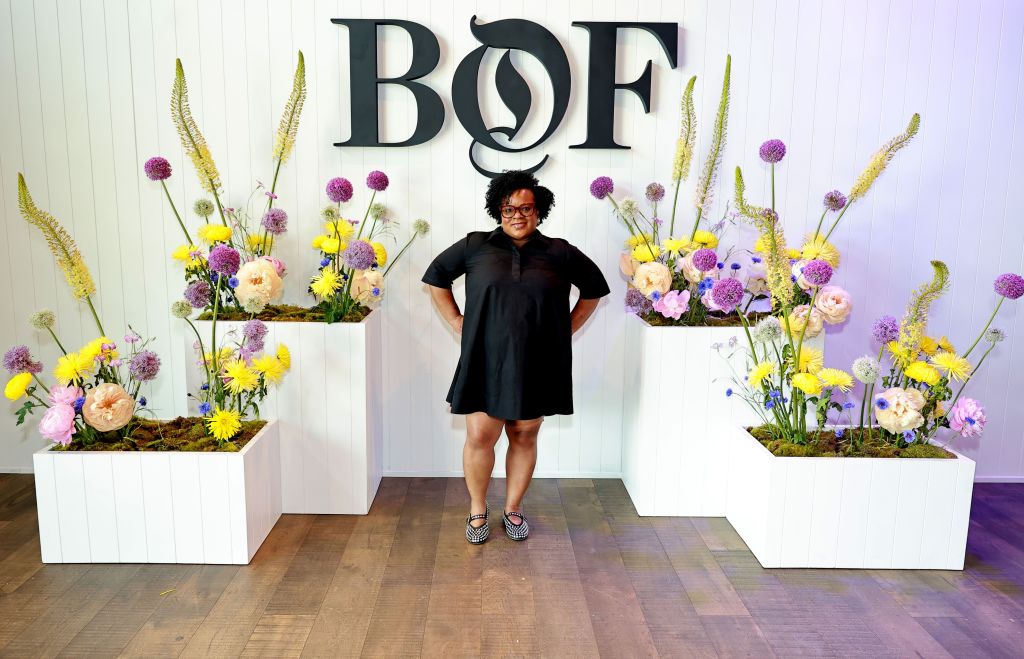
There is a particular kind of grief that comes with watching a brand built for us — by one of us — disappear from the shelves it fought so hard to reach. Adwoa Beauty is gone now, and if you let the beauty industry tell it, the story ends there. But the real story is not about a brand closing. It is about what the industry does to Black founders when the cameras stop rolling and the DEI press releases stop being written.
As Black Enterprise reported, a court ruling on May 1 converted Adwoa Beauty’s Chapter 11 reorganization into a Chapter 7 bankruptcy case — ending its current corporate structure. Now, there’s a court-appointed trustee overseeing the distribution of remaining assets to satisfy outstanding debts. The brand — that founder Julian Addo built from $80,000 of her own personal savings, the same brand that made it to Sephora shelves in 2020 and became a symbol of what was possible for Black women in beauty — is being liquidated.
And we need to sit with what that actually means.
When the “racial reckoning” of 2020 happened, the beauty industry moved fast. Suddenly, Black-owned brands were being stocked, celebrated, and featured in campaign imagery. Retailers that had historically given premium shelf space almost exclusively to brands that were not built with Black women in mind were now spotlighting textured haircare as if they had believed in it all along. Adwoa Beauty was one of those brands called to the table. Addo answered that call, showed up and delivered products that a loyal community of customers genuinely loved.
What she did not receive was the infrastructure, access to capital, or institutional support that would have actually allowed her to survive at that level in the long term. The cost of maintaining a Sephora presence proved unsustainable. While the brand raised $4 million from Pendulum Holdings in 2022, it was insufficient to support the infrastructure required to scale internationally. Getting a brand onto a Sephora shelf and keeping it there are two entirely different challenges, and the industry treated the placement like the finish line when it was really just the starting gun.
Addo has been refreshingly honest about the weight of it all.
“It’s a very challenging time economically, and it’s a very competitive time in the market as well,” she said. “It’s just at a place where it doesn’t make sense, and it’s not fair to our retailers and our customers to not be able to really see this brand actualize.”
That is the voice of a woman who poured everything into something she believed in and still could not make the math work in a system that was never designed to make it easy for her.
The closure of Adwoa Beauty is not an isolated event. It follows a concerning trend of recent closures involving entrepreneurs of color, including brands like Ami Colé and Good Light. Industry analysts point to a receding tide of diversity and equity commitments that surged in 2020 but have since cooled — leaving many minority-owned businesses undercapitalized. The pattern is impossible to ignore. The industry invited Black founders to the table, put them on shelves when it served a narrative, and then pulled back the resources when the spotlight moved on.
None of this erases what Adwoa Beauty was and what it meant to every woman who found a product line that finally understood her hair. The brand mattered. Julian Addo built something real. And the fact that it could not survive in this environment is not a reflection of her vision. It is a reflection of an industry that still has not figured out how to back Black women beyond the moment when doing so is convenient.
Despite the liquidation, Addo remains forward-looking. “
I’m ripe with ideas,” she said. “I’m actually excited again.”
And we believe her, because the same woman who built a prestige haircare brand from scratch with $80,000 and a blog is not someone the beauty industry gets to write off. The chapter is closed, but the founder is not.
RELATED: Get The Look: The Hair, The Nails, The Dresses And Vision Behind Our Met Gala Looks