Africa Is Not Waiting For The World: How The Continent Is Quietly Redefining Global Power In 21st Century
By Eric Kamba Photos: Wikimedia Commons Africa is often portrayed as a stage on which global powers compete—China building infrastructure, the United States providing security assistance, Europe offering development aid. Yet this familiar framing misses a deeper reality: Africa is no longer waiting for the world to define its destiny. It is steadily—and often quietly—reshaping the global order from the ground up. In Washington and Brussels, Africa is still too often described through the language of instability, fragility, and crisis. But across the continent, a different trajectory is unfolding—one defined by demographic power, technological creativity, climate leadership, and growing diplomatic assertiveness. These are not distant possibilities; they are present realities already transforming global politics. Africa is now the world’s youngest continent, with a median age under 20. By 2050, one in four people on Earth will be African. This shift is not merely demographic—it is geopolitical. It signals the rise of new markets, new labor forces, and new centers of cultural and economic influence. The future of global growth will increasingly depend on African consumers, African talent, and African innovation. That innovation is already visible. Long before Silicon Valley embraced fintech, Africans pioneered mobile money systems like M-Pesa, transforming how millions access financial services. Today, countries such as Rwanda and Kenya are advancing national artificial intelligence strategies. Ghana hosts Google’s first AI research center on the continent, while Nigeria’s tech ecosystem continues to attract billions in venture capital. Far from being a technological follower, Africa is becoming a laboratory for digital governance and public-interest innovation. Africa is also emerging as a frontline actor in climate adaptation and green transformation. Countries such as Senegal, Kenya, and Morocco are investing heavily in renewable energy, in some cases outpacing parts of Europe and the United States in deployment and ambition. The African Union’s Great Green Wall—an 8,000-kilometer ecological restoration project—stands among the most ambitious climate initiatives globally. At the same time, African negotiators have become increasingly influential in international climate diplomacy, shaping debates on loss-and-damage financing, climate justice, and green industrialization. Perhaps most consequential, however, is Africa’s growing diplomatic weight. In 2023, the African Union secured a permanent seat in the G20, effectively transforming it into a G21. The African Continental Free Trade Area (AfCFTA), the largest free trade area in the world by number of participating countries, is laying the foundation for a unified continental market. African states are increasingly coordinating positions on global issues—from United Nations reform to vaccine equity—signaling the emergence of a more cohesive geopolitical voice. These transformations reflect a more confident, integrated, and strategically aware Africa. They also challenge long-standing Western assumptions. For decades, engagement with Africa was shaped by paternalism and crisis management. Today, African governments are demanding something different: partnership rather than patronage, investment rather than aid, and respect rather than rhetoric. Other global actors have already begun to adapt. China and India have deepened economic engagement, Gulf states and Turkey have expanded their strategic footprint, and Brazil has reenergized its ties. The global center of gravity is shifting—and African agency is increasingly central to that shift. The United States and Europe cannot afford to lag behind. Recognizing Africa as a key architect of the 21st-century order requires more than rhetorical support. It demands a strategic recalibration: sustained investment in African-led industrialization, transparent partnerships in critical minerals and green energy, expanded digital cooperation, and a willingness to treat the African Union as a core global partner. Africa is not waiting. It is already moving—reshaping the contours of global power in the process. The question is no longer whether Africa will rise. It is whether the rest of the world is prepared to engage with it on equal terms. Eric Kamba is a geostrategist and international relations analyst based in Boston, Massachusetts. His work focuses on global power dynamics, conflict resolution, and the geopolitics of the African Great Lakes region, with particular emphasis on critical minerals and informal diplomacy.
 Black News
By Eric Kamba
Photos: Wikimedia Commons
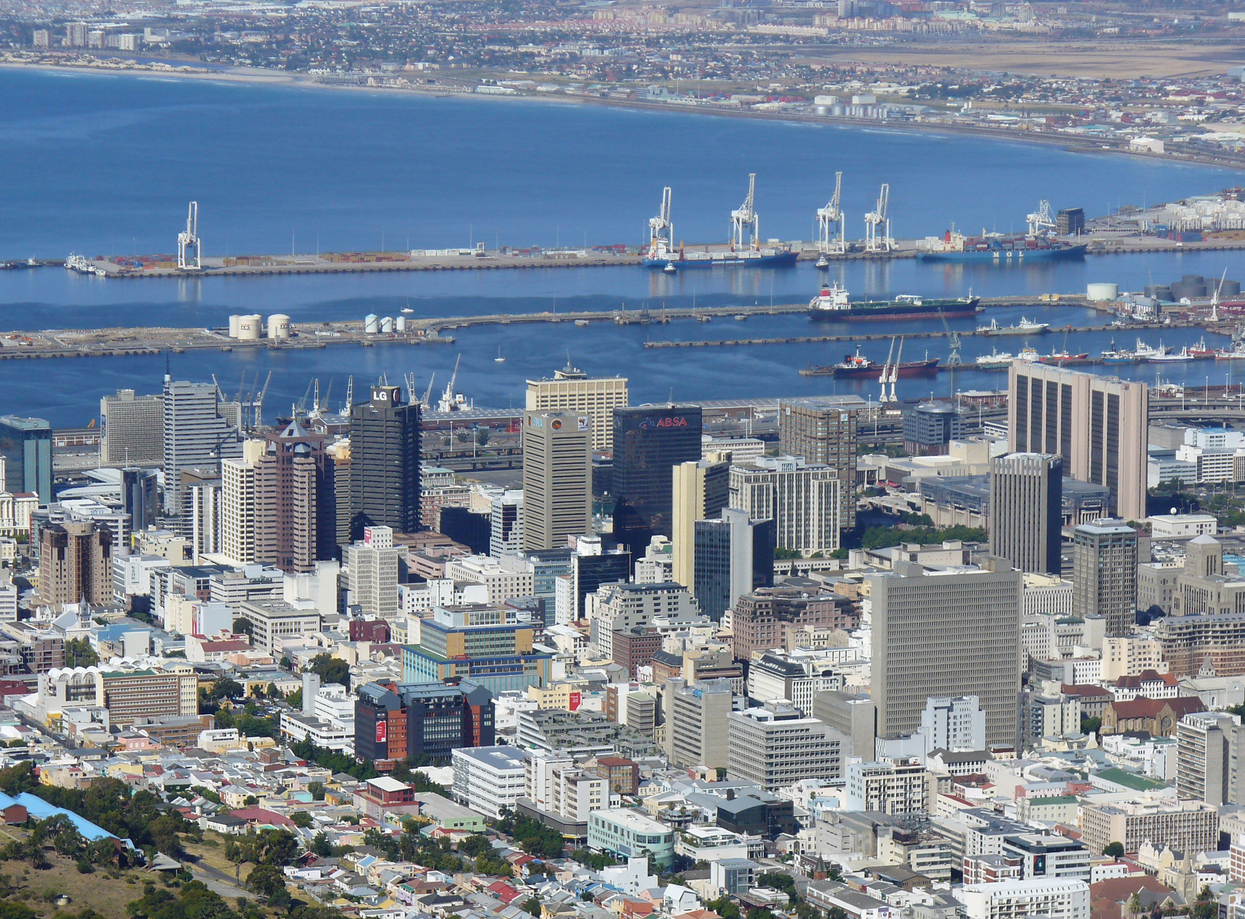
Africa is often portrayed as a stage on which global powers compete—China building infrastructure, the United States providing security assistance, Europe offering development aid. Yet this familiar framing misses a deeper reality: Africa is no longer waiting for the world to define its destiny. It is steadily—and often quietly—reshaping the global order from the ground up.

In Washington and Brussels, Africa is still too often described through the language of instability, fragility, and crisis. But across the continent, a different trajectory is unfolding—one defined by demographic power, technological creativity, climate leadership, and growing diplomatic assertiveness. These are not distant possibilities; they are present realities already transforming global politics.
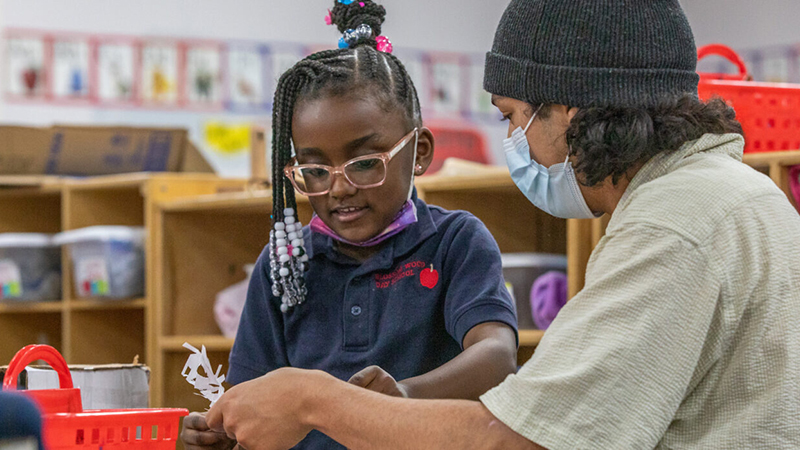
Africa is now the world’s youngest continent, with a median age under 20. By 2050, one in four people on Earth will be African. This shift is not merely demographic—it is geopolitical. It signals the rise of new markets, new labor forces, and new centers of cultural and economic influence. The future of global growth will increasingly depend on African consumers, African talent, and African innovation.
That innovation is already visible. Long before Silicon Valley embraced fintech, Africans pioneered mobile money systems like M-Pesa, transforming how millions access financial services. Today, countries such as Rwanda and Kenya are advancing national artificial intelligence strategies. Ghana hosts Google’s first AI research center on the continent, while Nigeria’s tech ecosystem continues to attract billions in venture capital. Far from being a technological follower, Africa is becoming a laboratory for digital governance and public-interest innovation.
Africa is also emerging as a frontline actor in climate adaptation and green transformation. Countries such as Senegal, Kenya, and Morocco are investing heavily in renewable energy, in some cases outpacing parts of Europe and the United States in deployment and ambition. The African Union’s Great Green Wall—an 8,000-kilometer ecological restoration project—stands among the most ambitious climate initiatives globally. At the same time, African negotiators have become increasingly influential in international climate diplomacy, shaping debates on loss-and-damage financing, climate justice, and green industrialization.
Perhaps most consequential, however, is Africa’s growing diplomatic weight. In 2023, the African Union secured a permanent seat in the G20, effectively transforming it into a G21. The African Continental Free Trade Area (AfCFTA), the largest free trade area in the world by number of participating countries, is laying the foundation for a unified continental market. African states are increasingly coordinating positions on global issues—from United Nations reform to vaccine equity—signaling the emergence of a more cohesive geopolitical voice.

These transformations reflect a more confident, integrated, and strategically aware Africa. They also challenge long-standing Western assumptions. For decades, engagement with Africa was shaped by paternalism and crisis management. Today, African governments are demanding something different: partnership rather than patronage, investment rather than aid, and respect rather than rhetoric.
Other global actors have already begun to adapt. China and India have deepened economic engagement, Gulf states and Turkey have expanded their strategic footprint, and Brazil has reenergized its ties. The global center of gravity is shifting—and African agency is increasingly central to that shift.
The United States and Europe cannot afford to lag behind. Recognizing Africa as a key architect of the 21st-century order requires more than rhetorical support. It demands a strategic recalibration: sustained investment in African-led industrialization, transparent partnerships in critical minerals and green energy, expanded digital cooperation, and a willingness to treat the African Union as a core global partner.
Africa is not waiting. It is already moving—reshaping the contours of global power in the process.
The question is no longer whether Africa will rise. It is whether the rest of the world is prepared to engage with it on equal terms.

Eric Kamba is a geostrategist and international relations analyst based in Boston, Massachusetts. His work focuses on global power dynamics, conflict resolution, and the geopolitics of the African Great Lakes region, with particular emphasis on critical minerals and informal diplomacy.