Africa prepares to send its world-famous rooibos tea plant into space, making it the continent's second indigenous crop to do so
South Africa is preparing to send seeds from its indigenous rooibos plant to the International Space Station in October, placing one of the country’s most recognisable agricultural products at the centre of a space science experiment.
 Black News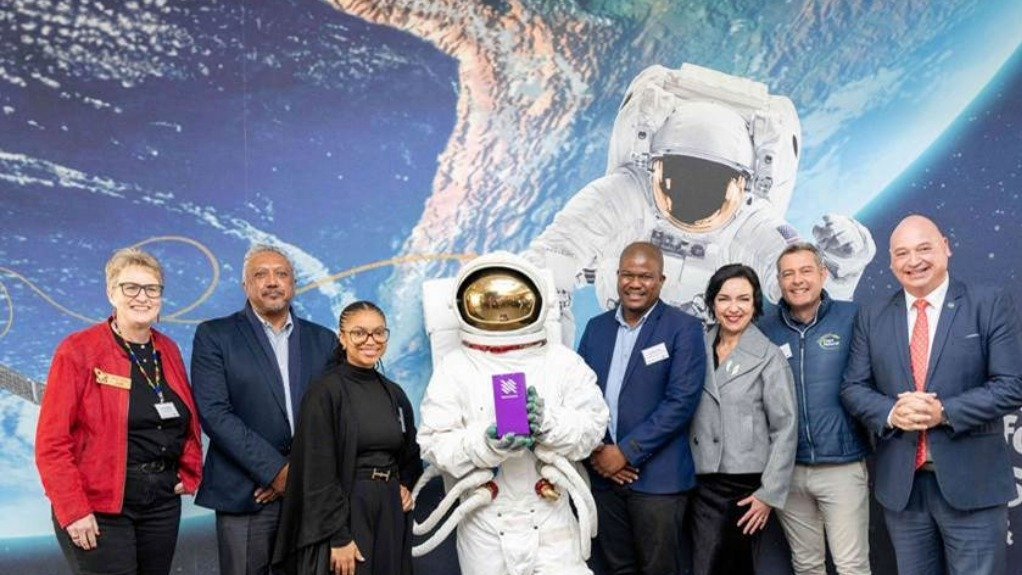

South Africa is preparing to send seeds from its indigenous rooibos plant to the International Space Station in October, placing one of the country’s most recognisable agricultural products at the centre of a space science experiment.
- South Africa will send indigenous rooibos seeds to the International Space Station in October for a scientific experiment on plant biology in space.
- Seeds will be exposed to microgravity and space radiation aboard the ISS, then compared with control seeds kept on Earth for studies on growth, yield, and resilience.
- Rooibos is a major African export, recently attaining protected designation of origin status in the EU and supporting thousands of jobs in South Africa.
- This project follows Nigeria's previous experiment sending egusi seeds to the ISS and highlights the growing role of African crops in global space agriculture research.
The initiative, named Rooibos in Space, was developed by the South African Rooibos Council in partnership with South African space education company MaxIQ Space, with support from the South African National Space Agency.
The seeds will spend several weeks aboard the ISS in a nanolab, where they will be exposed to microgravity and space radiation before returning to South Africa.
Researchers will plant them alongside a control batch kept on Earth and compare their germination, growth, yield and resilience.
From the Cederberg to low Earth orbit
The project will involve learners from seven schools in the Cederberg region of the Western Cape, the centre of South Africa’s rooibos industry.
The learners will work with local rooibos farmers to collect and analyse the results, while Parklands College in Cape Town, where the initiative was launched, will conduct a parallel experiment.
Schools across South Africa will also be invited to design the official mission patch, with entries closing at the end of August.
South African Rooibos Council director Dawie de Villiers said the initiative would connect the country’s agricultural heritage with scientific research and education.
“Rooibos has long been part of South Africa’s agricultural heritage,” De Villiers said. “This project places it within a broader scientific context, where plant biology, space research and education intersect. It also reflects the importance of investing in scientific literacy and skills development for the next generation of researchers and innovators.”
MaxIQ Space founder Judi Sandrock said the experiment would give learners practical exposure to research, data collection and scientific analysis.
“It provides a structured opportunity to develop scientific thinking, data analysis skills and an understanding of how experimentation works in practice,” Sandrock said.
DON'T MISS: Rwanda expresses interest in partnering with the World’s largest space agency
A major African export enters space research
Beyond its cultural importance, rooibos is a growing South African export commodity.
South Africa exported about 10,930 tonnes of rooibos to more than 50 international markets in 2025, surpassing the 10,000-tonne mark for the first time.
The industry produces about 20,000 tonnes annually, with roughly half consumed locally and the rest exported, while supporting thousands of jobs across farming, processing, packaging and retail.
In addition, rooibos became the first African food to receive protected designation of origin status from the European Union.
The protection limits the use of the rooibos name to products linked to its recognised South African production region.
Sending the seeds into orbit therefore gives an established African export product visibility in a field usually associated with advanced engineering, satellites and human spaceflight.
Nigeria previously sent egusi seeds to space
Although Rooibos in Space will be South Africa’s first experiment of its kind, it will not be the first time an African crop has travelled to the ISS.
On August 1, 2025, egusi melon seeds sourced from Nigeria’s Oyo State travelled to the ISS aboard NASA’s SpaceX Crew-11 mission in an experiment led by Nigerian space scientist Dr Temidayo Oniosun.
The egusi seeds spent seven days in orbit alongside heritage seeds from Armenia, Costa Rica, Guatemala and Pakistan before returning to Earth for analysis.
Preparing crops for the Moon and Mars
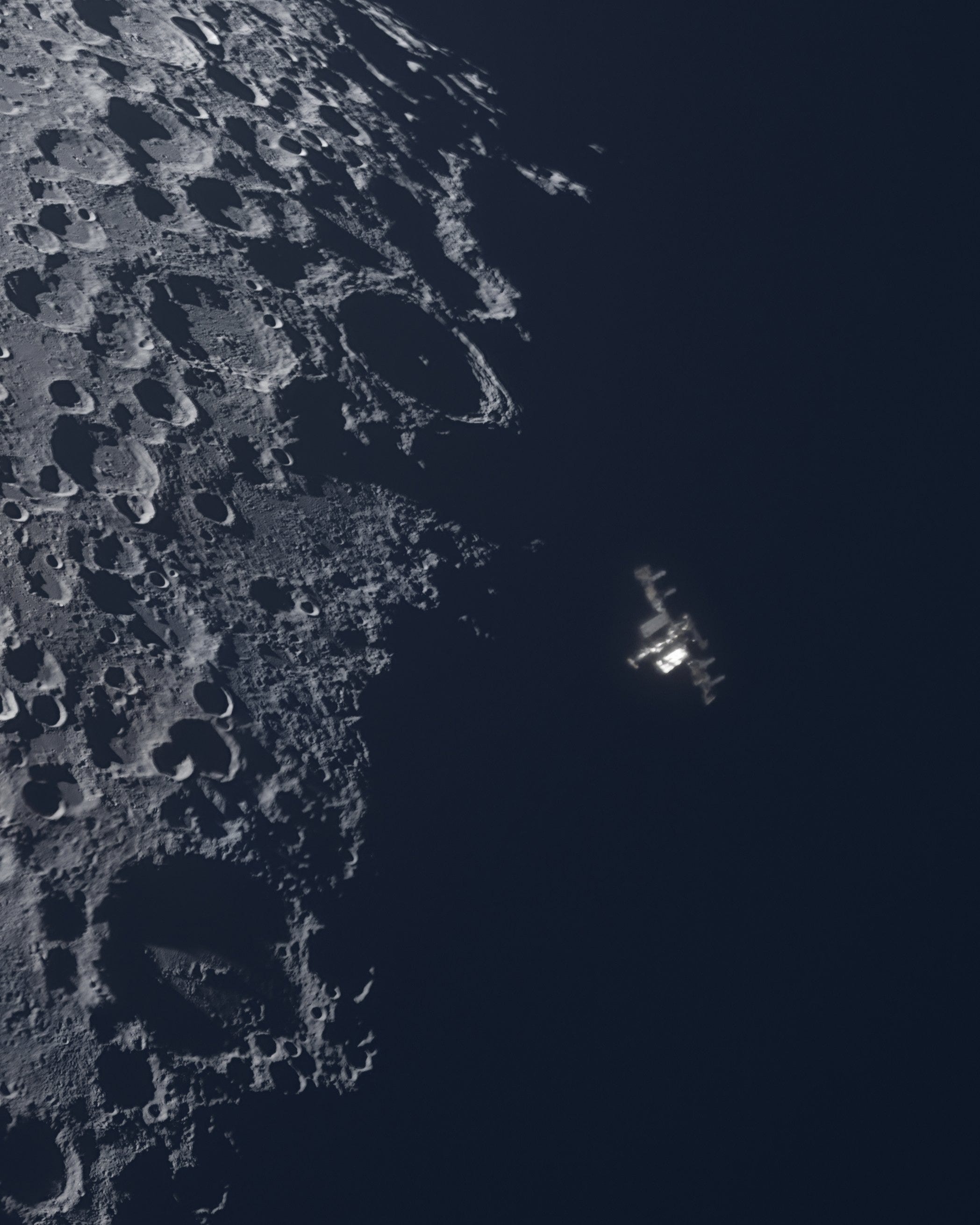
More broadly, space agencies have studied plants in orbit for decades as researchers examine how astronauts could grow food during long missions.
NASA’s Vegetable Production System, known as Veggie, has grown crops including lettuce, Chinese cabbage, kale and mustard aboard the ISS.
The research examines how plants absorb water, nutrients and light without normal gravity.
In November 2022, the International Atomic Energy Agency and the UN Food and Agriculture Organisation also sent sorghum and Arabidopsis seeds to the ISS.
Scientists exposed the seeds to microgravity and cosmic radiation before returning them to Earth.
They searched for genetic traits that could support the development of crops better able to withstand climate change.
Consequently, such research could support food production during future missions to the Moon and Mars.
It could also advance crop breeding in regions facing drought, extreme temperatures and other environmental pressures.
Together, the Nigerian and South African projects show how culturally and economically important African crops are becoming part of wider research into agriculture beyond Earth.