Another African country joins U.S.’s new health investment strategy with $3.1 billion deal
Tanzania has become the latest African country to join the United States’ new co-investment health model, signing a five-year $3.1 billion partnership that signals Washington’s shift from traditional foreign aid to shared financing, even as similar agreements face scrutiny over data sovereignty and access to strategic resources.
 Black News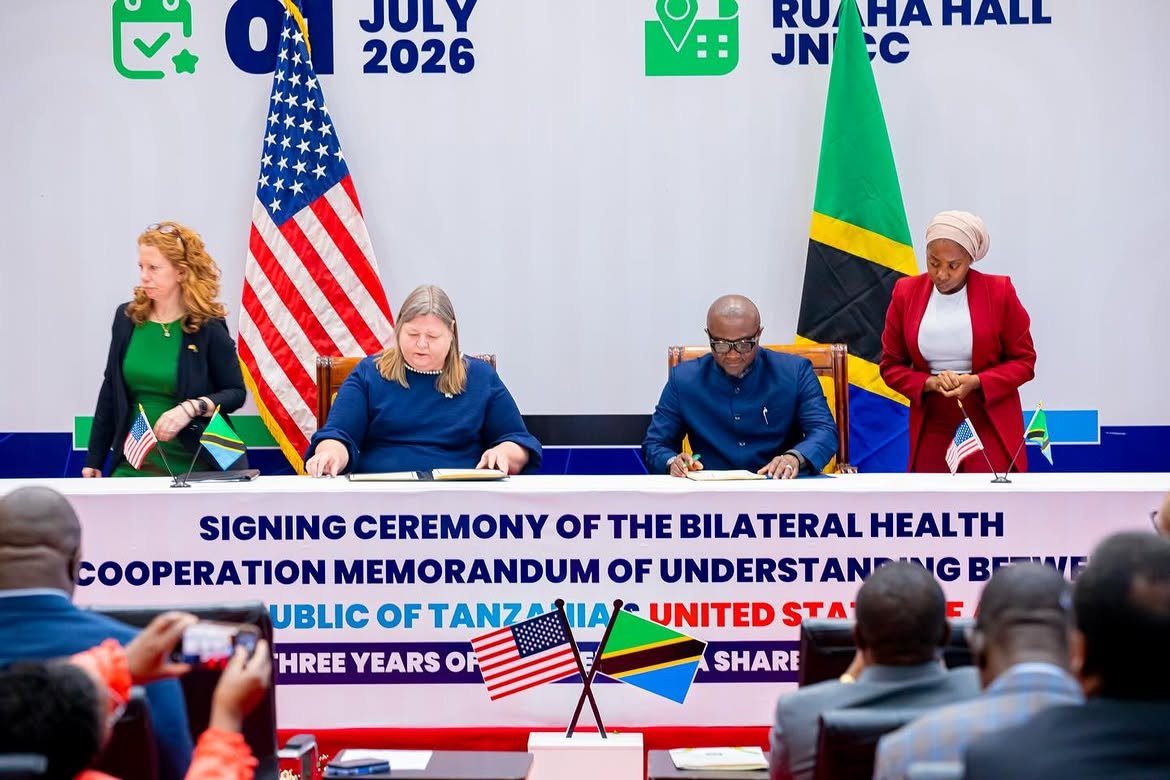

Tanzania has become the latest African country to join the United States’ new co-investment health model, signing a five-year $3.1 billion partnership that signals Washington’s shift from traditional foreign aid to shared financing, even as similar agreements face scrutiny over data sovereignty and access to strategic resources.
- Tanzania has signed a $3.1 billion five-year health partnership with the United States under Washington’s America First Global Health Strategy.
- The agreement combines $1.3 billion in planned U.S. funding with $1.8 billion in Tanzanian investment to strengthen the country’s health system.
- The deal comes as similar agreements in Africa face scrutiny over data privacy, biological samples and links to broader U.S. strategic interests.
- Tanzania says the agreement does not permit the sharing of biological samples, seeking to address sovereignty concerns raised elsewhere on the continent.
The United States and Tanzania have signed a five-year $3.1 billion health cooperation agreement, making Tanzania the latest African country to embrace Washington’s new approach to global health partnerships that replaces traditional aid with joint investment and greater domestic financing.
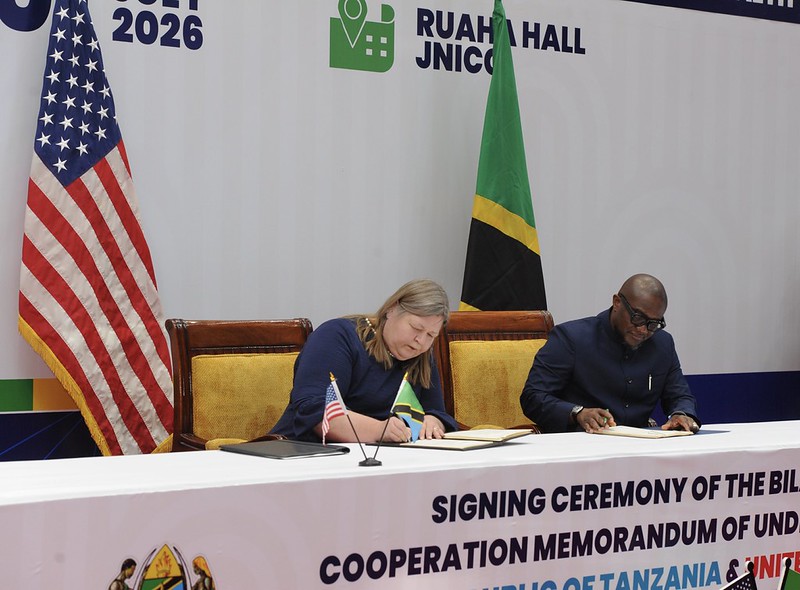
Under the agreement, signed in Dar es Salaam on Wednesday, the U.S. intends to invest more than $1.3 billion, while Tanzania has committed to contribute over $1.8 billion to strengthen its health system between now and 2031.
The combined investment will support disease surveillance, laboratory systems, digital health infrastructure and emergency preparedness.
The deal forms part of President Donald Trump’s America First Global Health Strategy, which is reshaping U.S. engagement with developing countries after the dismantling of many traditional foreign aid programmes.
DON'T MISS THIS: 12 African countries the US has signed $16 billion in health agreements with
Rather than providing long-term donor funding, Washington is requiring partner governments to shoulder a larger share of healthcare financing with the goal of building self-sustaining health systems.
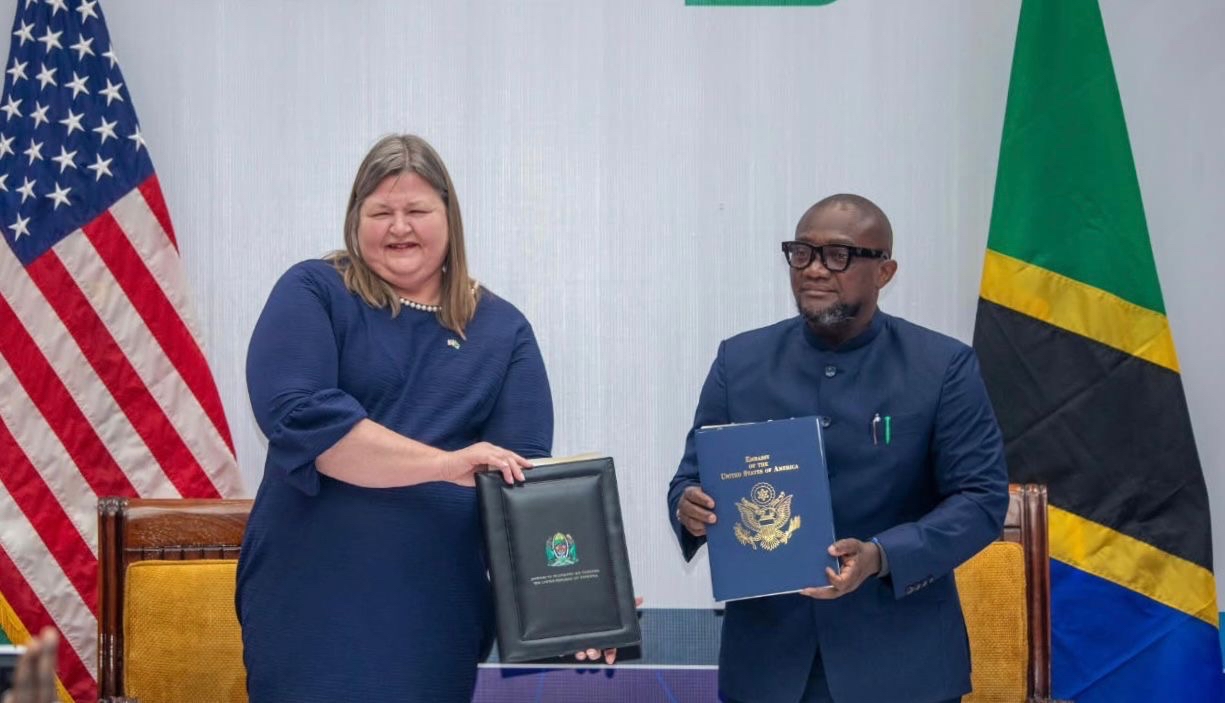
Tanzania joins countries including Kenya, Rwanda and Uganda that have signed similar agreements as the United States expands the programme across Africa.
According to the U.S. State Department, the strategy has now secured more than $24 billion in combined health commitments from participating countries and the U.S. government.
Health diplomacy under scrutiny
While Washington describes the agreements as partnerships that promote self-reliance, they have generated debate across Africa over provisions relating to health data, biological samples and, in some cases, links to broader strategic interests.
In Zambia, the government publicly rejected efforts to tie a proposed health agreement to U.S. access to the country’s critical minerals, insisting that health cooperation should remain separate from mineral negotiations. Zambian officials also raised concerns over data-sharing provisions contained in the draft agreement.
In Kenya, implementation of part of a similar agreement was temporarily suspended after consumer rights groups challenged provisions relating to personal health data in court, reflecting wider concerns over data privacy under the new framework.
DON'T MISS THIS: US health funding shift raises alarm across Africa as Tanzania tops aid recipients - Business Insider
Those controversies appear to have influenced Tanzania’s negotiations. Speaking during the signing ceremony, Health Minister Mohammed Mchengerwa stressed that the agreement does not allow the United States to take ownership of Tanzanian biological samples.
“We did not enter into a specimen-sharing agreement. Tanzania’s specimens, including those with outbreak, epidemic and pandemic potential, will be tested, stored and governed here in Tanzania,” Mchengerwa said.
The reassurance is likely intended to address concerns that have surfaced elsewhere on the continent over national control of sensitive health information and biological materials.
From aid to co-investment
For decades, Tanzania has relied heavily on U.S. support through programmes such as PEPFAR and malaria initiatives.
The new agreement marks a shift from the traditional donor-recipient relationship toward co-financing, with Tanzania expected to increase domestic spending on healthcare while gradually reducing dependence on external assistance.
DON'T MISS THIS: 10 African countries most exposed to Trump’s health aid cuts
According to the memorandum, the partnership will strengthen Tanzania’s national public health institute, expand digital health systems, improve disease surveillance, modernise laboratory networks and support malaria elimination efforts in Zanzibar.
It also aims to build a unified national digital health ecosystem covering clinical care, health financing, supply chains, public health surveillance and citizen services.
For Washington, the strategy is also designed to prevent infectious disease outbreaks before they spread internationally, making overseas health investments part of a broader national security agenda.
For Tanzania, however, the agreement represents a balancing act: securing billions of dollars in health investment while assuring citizens that national sovereignty over health data, laboratory samples and public health decision-making will remain firmly under Tanzanian control.