Baby Rose Is Bringing Yearning Back
Photos by Louisa Meng With YEARNALISM, the Grammy-winning singer-songwriter explores vulnerability, self-love, and emotional honesty through a sound that refuses to be confined by genre. Words by Teneshia Carr There is a quiet revolution happening in music, and Baby Rose is one of the artists standing at its center. At a time when emotional distance […] The post Baby Rose Is Bringing Yearning Back appeared first on Blanc Magazine.
 Black News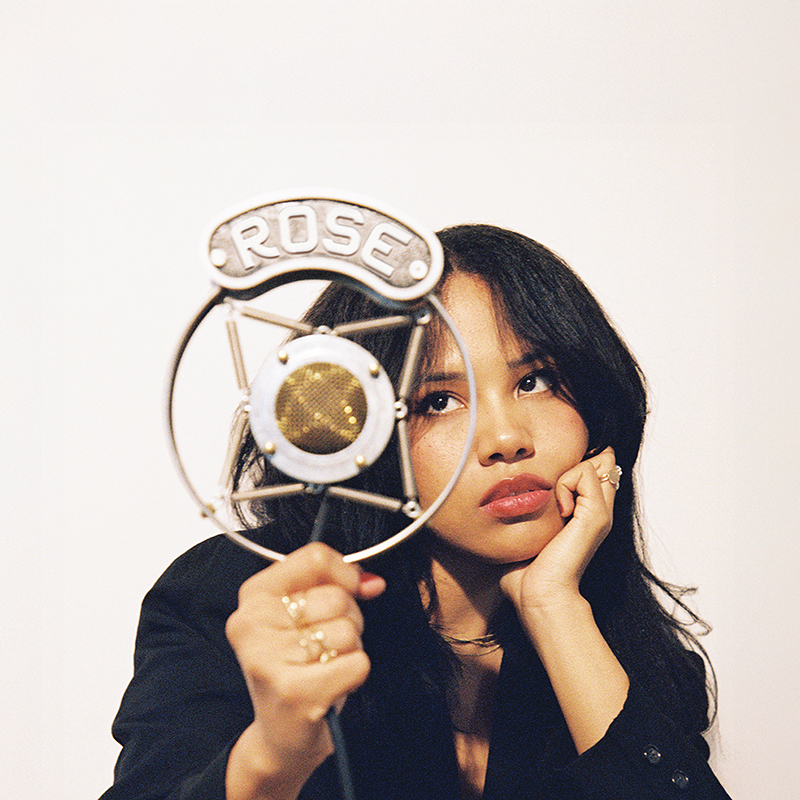
Photos by Louisa Meng
With YEARNALISM, the Grammy-winning singer-songwriter explores vulnerability, self-love, and emotional honesty through a sound that refuses to be confined by genre.
Words by Teneshia Carr
There is a quiet revolution happening in music, and Baby Rose is one of the artists standing at its center. At a time when emotional distance has become its own aesthetic, the Grammy Award-winning singer, songwriter, and producer is making a case for vulnerability. Her third studio album, YEARNALISM, arrives as both a collection of songs and a philosophy, one that argues there’s still beauty in wanting something so deeply it hurts, in saying the difficult things out loud, and in allowing yourself to be completely changed by love. Rose describes the project as “the process and documentation of desire in its many forms,” whether that means longing for freedom or for intimacy, or even a version of yourself you haven’t yet met. And in times such as these, it’s an idea that feels unexpectedly radical.
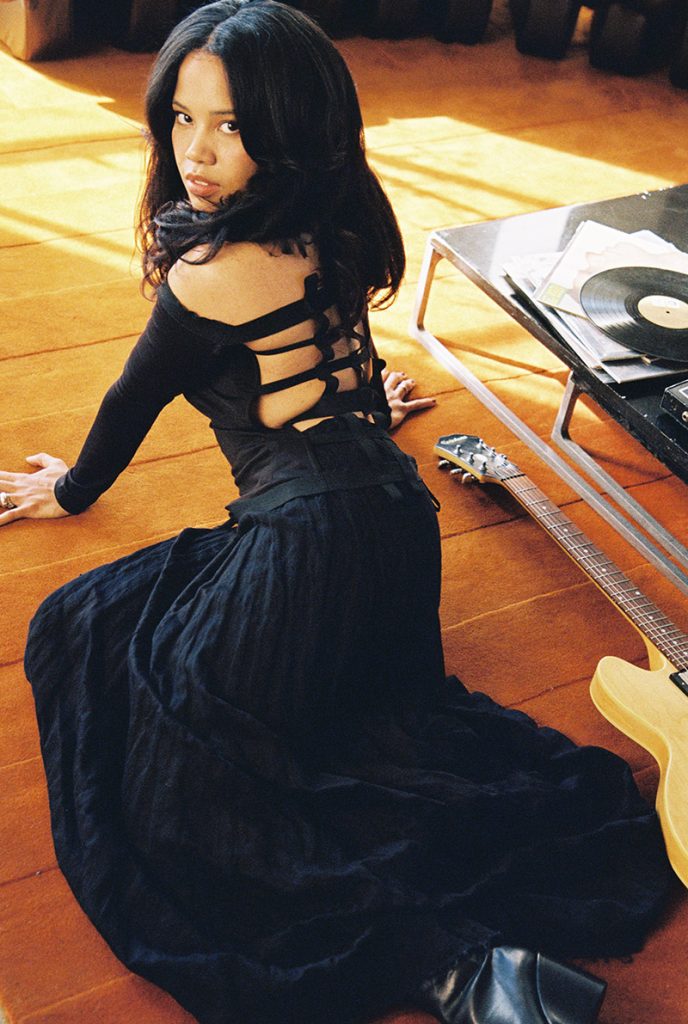
Modern relationships seem to reward detachment. Social media celebrates irony and distance, and the cultural currency of appearing unbothered hasn’t been stronger. YEARNALISM pushes in the opposite direction. It invites its listeners to feel without apology. The record marks a new chapter for Rose, not because she has abandoned the sound that first captivated audiences, but because it seems she has trusted it completely. Throughout the album, soul, gospel, jazz, rock, folk and R&B move effortlessly together, creating a sound that feels both timeless and impossible to place within a single genre. There are echoes of Nina Simone, Donny Hathaway, Janis Joplin, Sade and the musicianship of Muscle Shoals, but none of it feels nostalgic. Instead, Rose uses those traditions as a foundation to build something unmistakably her own. That refusal to be confined has become one of her defining qualities.
Raised between Washington, D.C., and Fayetteville, North Carolina, Baby Rose has spent the better part of a decade quietly becoming one of contemporary music’s most respected artists. Since the release of To Myself in 2019, she has collaborated with everyone from Ari Lennox and J. Cole to BADBADNOTGOOD, Leon Thomas and Big K.R.I.T. She has appeared at the Museum of Modern Art, Lincoln Center, and on film soundtracks including Creed III and A24’s Materialists. Along the way, admirers such as SZA, Alicia Keys, Kendrick Lamar, H.E.R., James Blake, and Olivia Dean, who she is currently on tour with, have championed her work.
Recognition has followed. Earlier this year, Rose earned her first Grammy Award for her contribution to Leon Thomas’ MUTT, a milestone that acknowledged what listeners have known for years: hers is one of the most singular voices in contemporary R&B. Still, YEARNALISM feels less interested in achievement than in transformation.
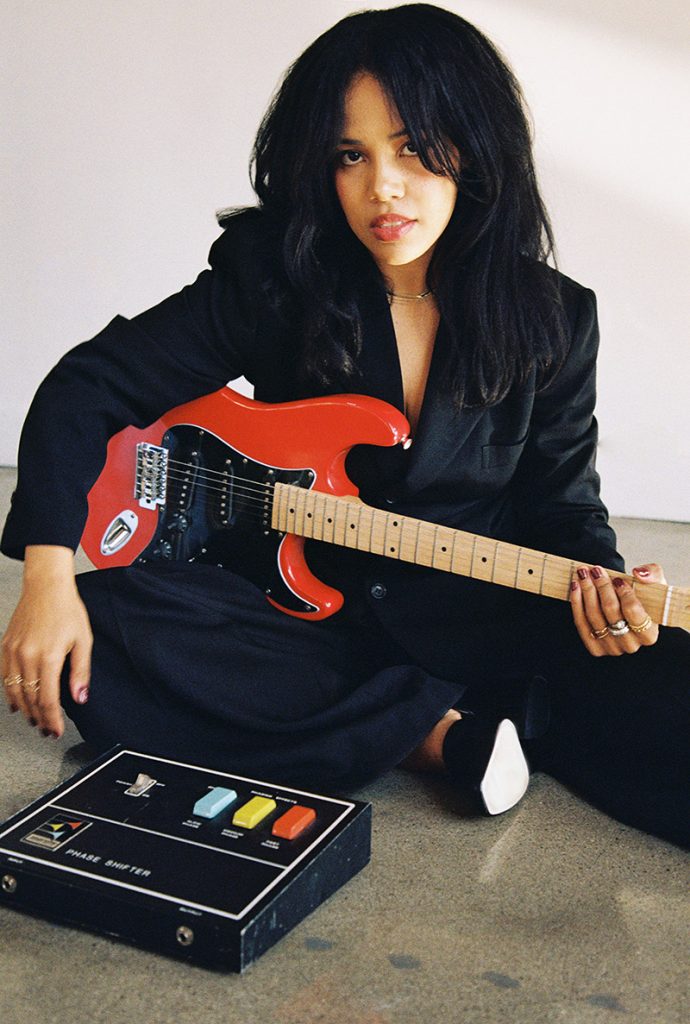
The album was developed over three years, documenting Rose’s journey from anxiety and uncertainty to confidence and emotional clarity. Rather than presenting healing as a destination, the record understands it as a practice. Therapy, meditation, faith, and community all become part of the story, informing songs that never pretend to have easy answers. Rose has spoken about her commitment to analog recording equipment and classic instrumentation, embracing the imperfections that come with musicians playing together in real time. In an era increasingly shaped by digital precision, those choices give the album an unmistakably human texture. Every breath, pause, and crack in the voice serves the songs rather than distracting from them. It also confirms a broader belief that craftsmanship still matters.
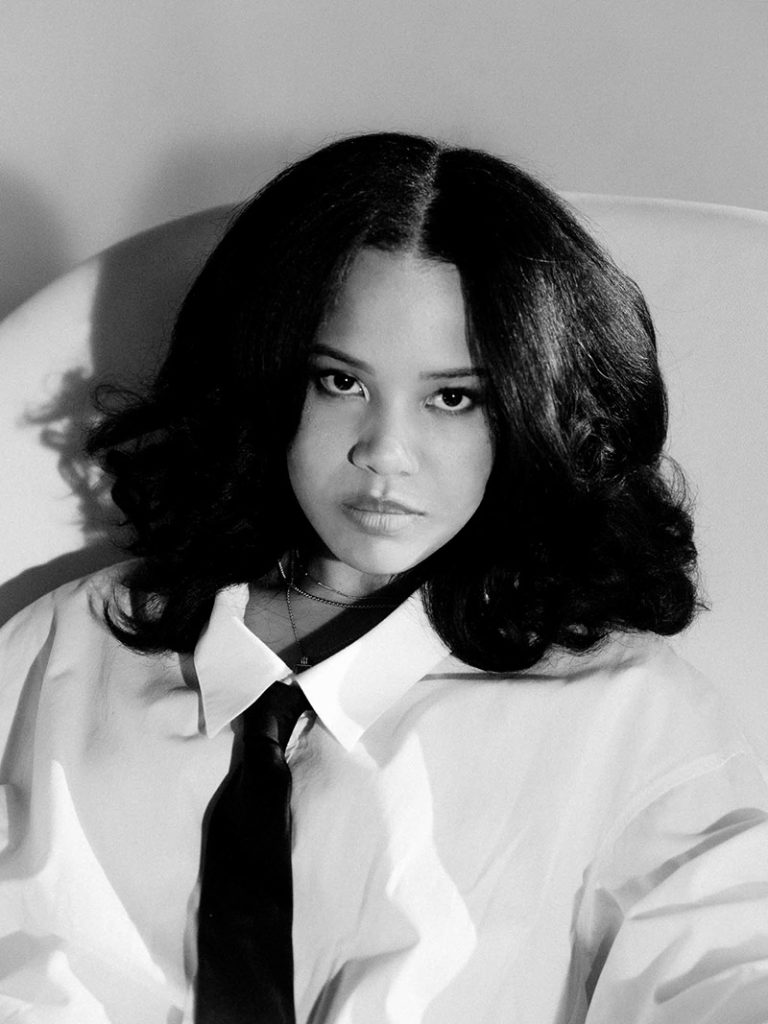
For Rose, the future of music doesn’t lie in chasing algorithms or fitting neatly inside genre boundaries. It lies in making work that carries emotional weight. YEARNALISM moves comfortably between alternative music, soul, rock, and R&B because those categories have never fully reflected the history of Black music in the first place. She quietly challenges assumptions about where Black women belong sonically, reclaiming spaces they helped create while expanding them even further. And maybe that’s why the album resonates beyond romance. Love appears throughout these songs, but so does freedom, self-respect, grief, ambition, and faith. The yearning Rose describes isn’t limited to another person. It becomes a way of approaching life itself, remaining open to possibility even when certainty feels impossible.
As much of popular culture continues to reward emotional distance, Baby Rose offers something increasingly rare: sincerity without sentimentality. She isn’t asking listeners to retreat into nostalgia. She’s asking them to reconnect with themselves. In a world that often mistakes detachment for strength, YEARNALISM reminds us that vulnerability remains one of the boldest creative choices an artist can make.
The post Baby Rose Is Bringing Yearning Back appeared first on Blanc Magazine.