Bank of America warns South Africa may raise rates as inflation risk returns
South Africa may be heading for another interest rate increase as rising oil prices and renewed inflation risks put pressure on the economy, according to Bank of America.
 Black News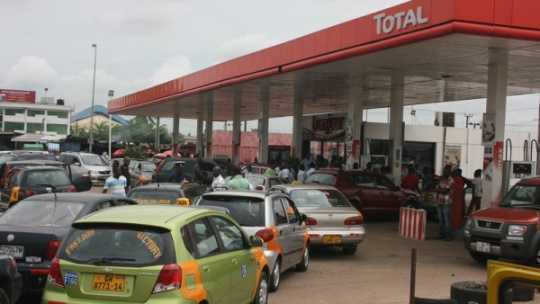


South Africa may be heading for another interest rate increase as rising oil prices and renewed inflation risks put pressure on the economy, according to Bank of America.
- Bank of America expects South Africa’s central bank to raise interest rates in May.
- Higher oil prices and fuel costs could push inflation above the Reserve Bank’s preferred target.
- Food and transport prices may rise further if energy costs stay elevated.
- Borrowing costs could remain high into 2027 if inflation proves stubborn.
In a new research note, the bank said it expects the South African Reserve Bank (SARB) to raise its benchmark repo rate by 25 basis points at its next policy meeting, taking the rate to 7%.
The warning comes after fresh geopolitical tensions in the Middle East lifted global crude prices and renewed concerns over energy supply. For South Africa, which imports fuel, higher oil prices often translate quickly into more expensive petrol, transport and food.
Bank of America said consumer inflation, which remained relatively contained earlier in the year, is now likely to accelerate.
It forecast headline inflation at 3.7% in April and 4.1% in May, moving above the Reserve Bank’s preferred 3% target and increasing pressure on policymakers.
“To anchor inflation expectations around the target, the SARB would likely hike in May,” the bank said.
DON'T MISS THIS:South Africa cut fuel tax to cushion $350 million shock from oil spike
Why rates may rise again
South Africa’s central bank has kept a cautious stance in recent months, warning that external shocks, currency weakness and sticky domestic prices remain risks to inflation.
A rate increase would show policymakers remain focused on protecting price stability even as economic growth stays weak.
Higher rates help slow inflation by reducing demand, but they also increase borrowing costs for households and businesses.
That creates a difficult balance for the Reserve Bank as consumers continue to face high living costs and a sluggish economy.
Fuel and food prices are the key risks
Bank of America said the biggest immediate threat comes from higher fuel prices, which can raise costs across the economy.
Transport becomes more expensive, businesses pay more to move goods, and food producers face rising input costs.
The bank also warned that fertiliser prices could add another layer of inflation pressure later in the year. South Africa depends heavily on imported fertilisers, making it vulnerable to global price swings.
If those costs remain elevated, food inflation could strengthen in the months ahead.
Rates may stay high for longer
Bank of America said inflation could remain around 4% for much of 2026, peak near 4.4% in early 2027, and only ease gradually afterwards.
That suggests limited room for interest rate cuts in the near term.
If oil prices fall and geopolitical tensions ease, the Reserve Bank may be able to pause tightening later this year.
But if crude prices remain high or the rand weakens sharply, further increases cannot be ruled out.
For investors, businesses and homeowners, the message is clear: South Africa’s battle against inflation may not be over yet, and borrowing costs could stay higher for longer.