Browne Sees ‘Blessing’ in US Visa Restrictions
By Algernon WattsPrime Minister Gaston Browne says the tightening of United States visa and immigration policies could ultimately prove beneficial to Antigua and Barbuda by helping the country retain more of its skilled and qualified citizens.While speaking on a radio program, on Saturday, the PM acknowledged that the changes could create difficulties for residents seeking […]
 Black News

By Algernon Watts
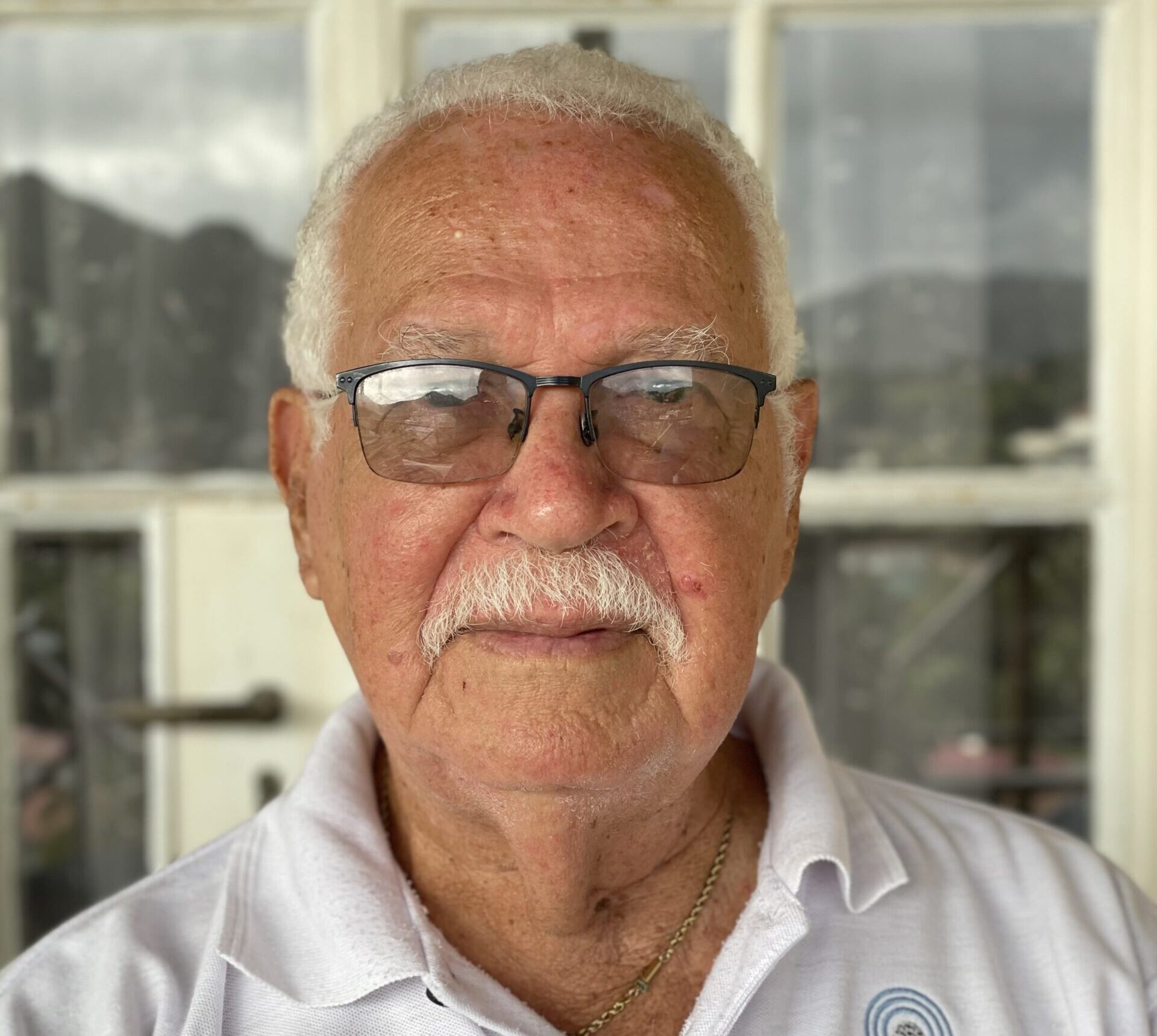
Prime Minister Gaston Browne says the tightening of United States visa and immigration policies could ultimately prove beneficial to Antigua and Barbuda by helping the country retain more of its skilled and qualified citizens.
While speaking on a radio program, on Saturday, the PM acknowledged that the changes could create difficulties for residents seeking to travel to the US, but urged the public to remain patient while his administration continues pressing Washington for a review.
“There’ll be many blessings as a result of this new US policy, and they will manifest themselves in due course,” Browne said.
He said one possible benefit would be a reduction in the number of trained Antiguans and Barbudans leaving for the United States and other developed countries.
According to the Prime Minister, the country has struggled to hold on to skilled workers because many leave for the United States soon after becoming qualified, creating shortages that sometimes force employers to recruit from overseas.
Browne said retaining more qualified people would strengthen the local workforce and reduce dependence on imported labour.
His comments come against the backdrop of significant changes to US travel rules affecting nationals of Antigua and Barbuda.
Under a proclamation issued by US President Donald Trump in December 2025 and which took effect on January 1, 2026, Antigua and Barbuda was placed among countries subject to partial US entry restrictions. Washington suspended the issuance of B-1/B-2 visitor visas, F, M and J student and exchange visas, as well as immigrant visas to affected nationals, subject to specified exceptions and case-by-case waivers.
The White House specifically cited Antigua and Barbuda’s history of operating a Citizenship by Investment Programme without a residency requirement as the country-specific basis given for its inclusion. More broadly, Washington has said the restrictions form part of efforts to strengthen screening and vetting and address national security, immigration and information-sharing concerns.
Antigua and Barbuda is also among the countries whose nationals may be required to post a visa bond when applying for certain US visitor visas.
Browne rejected suggestions that Antigua and Barbuda was being punished by Washington, saying his administration had cooperated fully with the United States on issues including the Citizenship by Investment Programme.
He described the changes as part of a broader reset in US immigration policy and said the government would continue advocating for a review while looking for ways Antigua and Barbuda could benefit from the changing environment.