Bwindi Impenetrable National Park: A Model for Sustainable Development
In the green hills of south-western Uganda, local communities are planting indigenous trees to protect the habitat of the mountain gorilla, one of the world’s most threatened species. Near Bwindi.
 Black News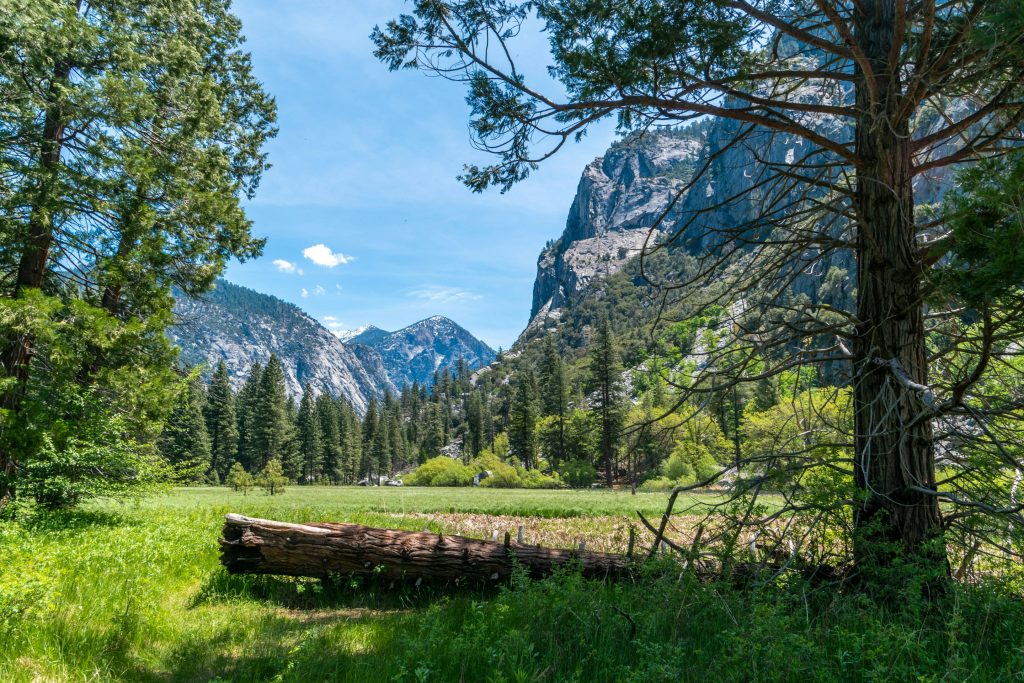
In the green hills of south-western Uganda, local communities are planting indigenous trees to protect the habitat of the mountain gorilla, one of the world’s most threatened species. Near Bwindi Impenetrable National Park, these grassroots efforts demonstrate how conservation, community participation and sustainable development can work together to safeguard Africa’s biodiversity while creating opportunities for local people.
Bwindi Impenetrable National Park is one of Africa’s most significant conservation success stories, protecting nearly half of the world’s remaining mountain gorillas. Covering approximately 331 square kilometres, the park forms part of the Bwindi-Sarambwe ecosystem, which extends into the Democratic Republic of Congo.
READ ALSO: Inside China’s Largest BRI Project in Nigeria: Ogidigben Gas Industrial Park
A landmark 2018 census recorded 459 mountain gorillas in Bwindi. Combined with populations in the Virunga Volcanoes, the global total reached 1,063. That year, the International Union for Conservation of Nature (IUCN) reclassified the species from Critically Endangered to Endangered, reflecting decades of conservation progress.
A new census launched in May 2025 aims to provide updated population estimates, with results expected in 2026. According to the Uganda Wildlife Authority’s 2026 State of Wildlife Report, the mountain gorilla population remains stable at 459 individuals. This progress reflects sustained efforts by governments, conservation organisations and local communities to protect the species.
The economic benefits of gorilla conservation are equally significant. Uganda’s gorilla tourism revenue reached nearly $28 million in the 2025/26 financial year, up from $22 million in 2023/24. Combined earnings from Bwindi and Mgahinga Gorilla National Parks totalled $41 million. In local currency, gorilla tourism generated Sh110 billion in 2025/26, compared with Sh86 billion in 2023/24. These revenues support conservation activities and community development initiatives.
Community engagement remains central to Bwindi’s conservation model. Local organisations such as Change a Life Bwindi work with the Uganda Wildlife Authority on tree-planting campaigns and environmental education. During World Gorilla Day 2025, communities planted approximately 2,000 indigenous trees and organised clean-up exercises to tackle plastic pollution.
The promotion of indigenous species, including Croton, provides resources such as firewood and medicinal plants, helping reduce pressure on the forest and minimise habitat disturbance.
Revenue-sharing mechanisms also create incentives for conservation. Under an official policy, $10 from each gorilla-tracking permit is channelled back to local communities, which also receive 20% of park entry fees. Former poachers have become conservation advocates, monitoring illegal activities such as the use of duiker traps that can endanger gorillas.
One former poacher, Philemon Mujuni, now leads a group of 128 former poachers working to protect the animals they once hunted. Their involvement illustrates how alternative livelihoods and community participation can contribute to wildlife protection.
The conservation programme also addresses the needs of vulnerable groups. The Batwa, an Indigenous community displaced from the forest, have participated in consultations and benefit-sharing plans developed between 2021 and 2023. These initiatives aim to recognise their socioeconomic and cultural rights while ensuring access to conservation benefits.
In addition, six community enterprises around Bwindi have received Certified Gorilla Friendly eco-label certification, creating opportunities to access premium markets for locally produced goods and services.
Despite these achievements, challenges remain. Research into revenue-sharing implementation found that benefits often reached randomly selected households rather than those directly affected by restrictions on resource use, suggesting that the policy has not fully addressed the drivers of illegal forest exploitation.
Poaching, habitat fragmentation and disease transmission also remain concerns. The 2025 census, which included genetic analysis conducted within the region for the first time, represents an important step in strengthening local research capacity and informing future conservation strategies.
Bwindi’s experience demonstrates how protecting biodiversity can support livelihoods, strengthen local participation and create economic opportunities. Sustaining these gains will require continued investment, inclusive benefit-sharing and stronger partnerships between communities, conservation authorities and development organisations.