The Year of Statement Sunglasses
How can you tell a guy is a Geese fan? Not because he’ll tell you – these guys prefer to smirk and scowl in a corner, depending upon which pop girl is currently playing on the aux. No, you’ll know because he dresses like it.The crusty ’90s renaissance of low-rise baggy pants and cool, somewhat fitted vintage T-shirts dominating Brooklyn bars and Hackney pubs is not exclusive to the Geese listener. But those bug-eye sunglasses, worn both on and off the stage by the Geese bandmates, once reminiscent of Spy Kids and waddling toddlers, have become an unmissable fixture of this summer’s festival season.It’s not just the Geese Guys. This year, statement sunglasses have dominated street fashion. As with most things this side of the pandemic, the trend can be traced back to Charli xcx, who made her black wraparound rave shades a defining – perhaps the defining – feature of her party-girl look. Akin to the bug-eye look, this is an aesthetic that combines the retro with the ultramodern: it is as Amazon Next Day Delivery basic as it is bona fide avant-garde.Sunglasses for summer? Groundbreaking. But it rained all day at this summer’s RALLY festival, and water droplets cascaded down the blacked-out lenses donned by London’s Cafe Kick scene. Similarly, bathroom queues in gay clubs across downtown New York look like Matrix-themed tribute nights. Sunglasses have stopped behaving like a reliable accessory and have instead become a core part of the outfit itself.Beyond hot people on ketamine, it’s women who tuck their blow-dried hair into cashmere sweaters, via Olsen twin Instagram fan accounts; it’s thick acetate vibes on men who want to look like Jacob Elordi. (Or rather, men whose girlfriends want them to look like Jacob Elordi.) Girls in big ’70s sunglasses because they love Almost Famous; guys in black Ray-Ban Wayfarers because they think the conversation on Meta sunglasses is nuanced and, also, they ski in Europe, but they don’t really use Instagram, ha ha.More so than any other accessory, sunglasses have become an assertion of the sensibilities of the wearer. In 2026, both sides of the Atlantic have seemingly pivoted to performing taste through accessories rather than displaying wealth: it is the shape of the shades, rather than a luxury logo on the wing, that announces the individual to the world. For while a handbag can signal status, sunglasses today do something infinitely more interesting, as they declare personhood. They nod to the wearer’s Spotify playlist rather than their tax bracket.Because we’ve all had brunch recently, right? You’ll be seated indoors – as a chronic smoker who loves this current New York Indian summer, it pains me, too – and there will inevitably be some diva with sunglasses on. Not because they’re hungover, but because the aviator revival is real, and they want the public to know they’re tapped into even the slightest movement of microtrends.And the more conspicuous, the more they convey. In this zeitgeist of heightened personal branding, where we are as much who we are online as we are in person, and in this current culture of street-style photography, where even the anonymous youth of the public are documenting their fits with the same earnest aplomb as celebrities’ orchestrated paparazzi shoots, sunglasses offer an easy and efficient opportunity to express selfhood.They are also, at the end of the day, cool. Rave shades were once donned to hide the wide eyes of recreational drug-taking; today’s iteration is not just Charli, but indie sleaze revivalists The Dare and Fcukers, too. And from Anna Wintour to Law Roach, while big sunglasses have long been opted for by fashionistas for another level of exclusivity to personal proximity, today they are near-omnipresent on the circuit: it girls upload snaps of themselves sporting shades in supermarkets as much as they’re documented wearing a pair on red carpets.Today, sunglasses culture encompasses both: they announce something of the wearer while also hiding the very body part that doting aunts will call the window to the soul. When even that brunch is relayed online, the removal of sunglasses grants a rare element of agency for intimacy. For this jaded generation – as conscious about appearances as they are increasingly committed to signalling the defining hedonism of their counterculture – it is no surprise that 2026 has ushered in the Year of the Sunglasses.Photography courtesy of Backgrid
 Black News
How can you tell a guy is a Geese fan? Not because he’ll tell you – these guys prefer to smirk and scowl in a corner, depending upon which pop girl is currently playing on the aux. No, you’ll know because he dresses like it.
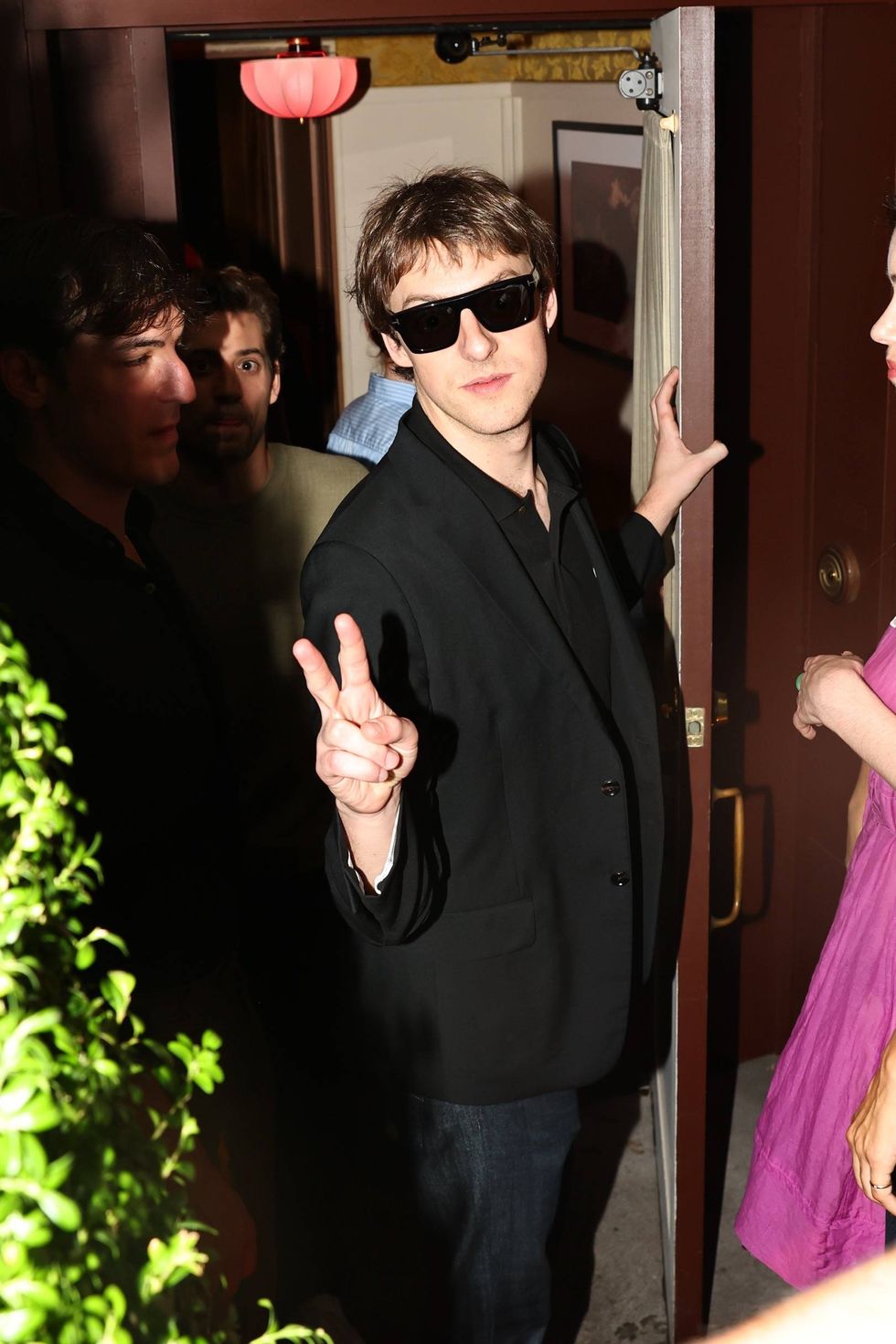
The crusty ’90s renaissance of low-rise baggy pants and cool, somewhat fitted vintage T-shirts dominating Brooklyn bars and Hackney pubs is not exclusive to the Geese listener. But those bug-eye sunglasses, worn both on and off the stage by the Geese bandmates, once reminiscent of Spy Kids and waddling toddlers, have become an unmissable fixture of this summer’s festival season.
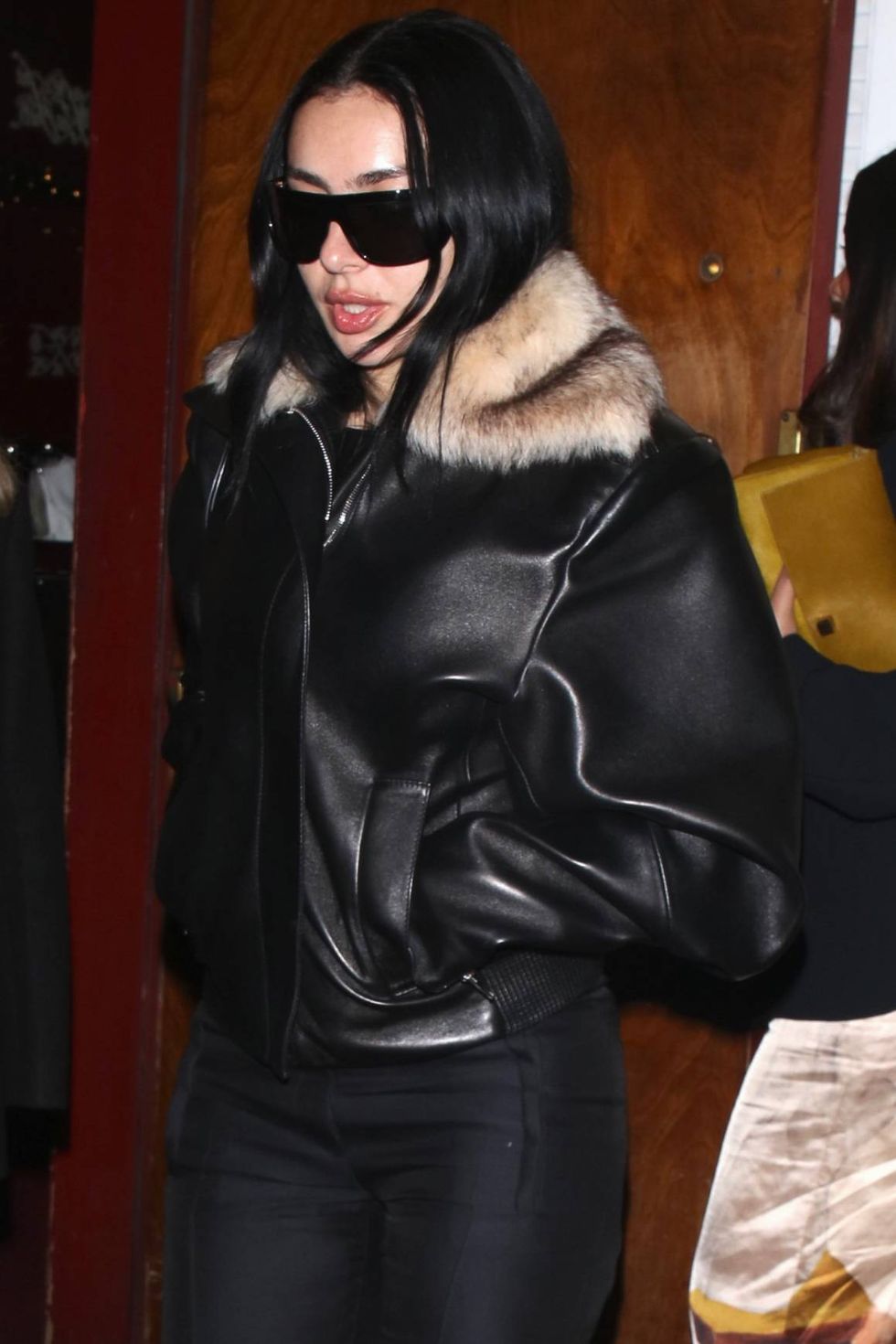
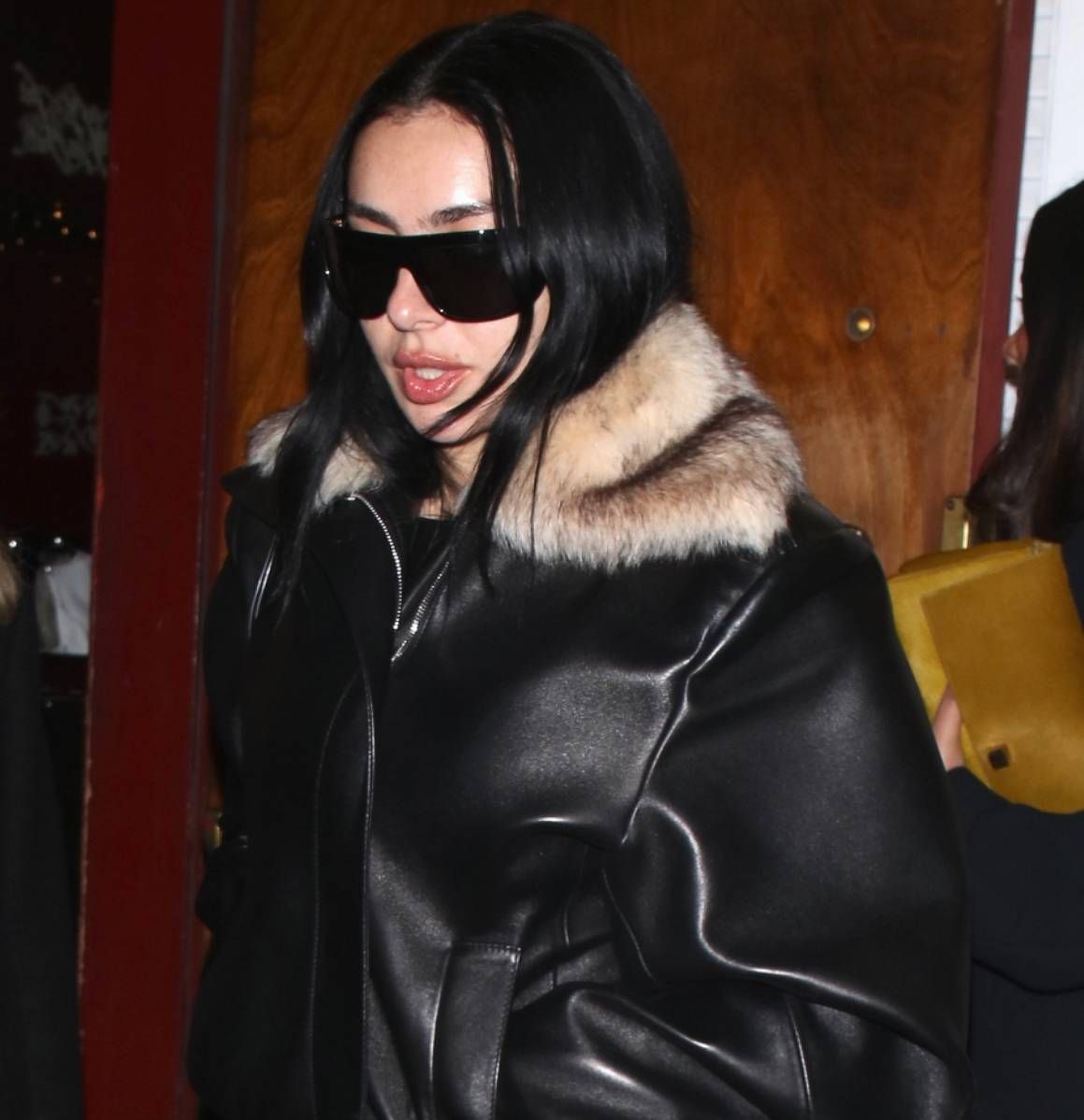
It’s not just the Geese Guys. This year, statement sunglasses have dominated street fashion. As with most things this side of the pandemic, the trend can be traced back to Charli xcx, who made her black wraparound rave shades a defining – perhaps the defining – feature of her party-girl look. Akin to the bug-eye look, this is an aesthetic that combines the retro with the ultramodern: it is as Amazon Next Day Delivery basic as it is bona fide avant-garde.
Sunglasses for summer? Groundbreaking. But it rained all day at this summer’s RALLY festival, and water droplets cascaded down the blacked-out lenses donned by London’s Cafe Kick scene. Similarly, bathroom queues in gay clubs across downtown New York look like Matrix-themed tribute nights. Sunglasses have stopped behaving like a reliable accessory and have instead become a core part of the outfit itself.
Beyond hot people on ketamine, it’s women who tuck their blow-dried hair into cashmere sweaters, via Olsen twin Instagram fan accounts; it’s thick acetate vibes on men who want to look like Jacob Elordi. (Or rather, men whose girlfriends want them to look like Jacob Elordi.) Girls in big ’70s sunglasses because they love Almost Famous; guys in black Ray-Ban Wayfarers because they think the conversation on Meta sunglasses is nuanced and, also, they ski in Europe, but they don’t really use Instagram, ha ha.
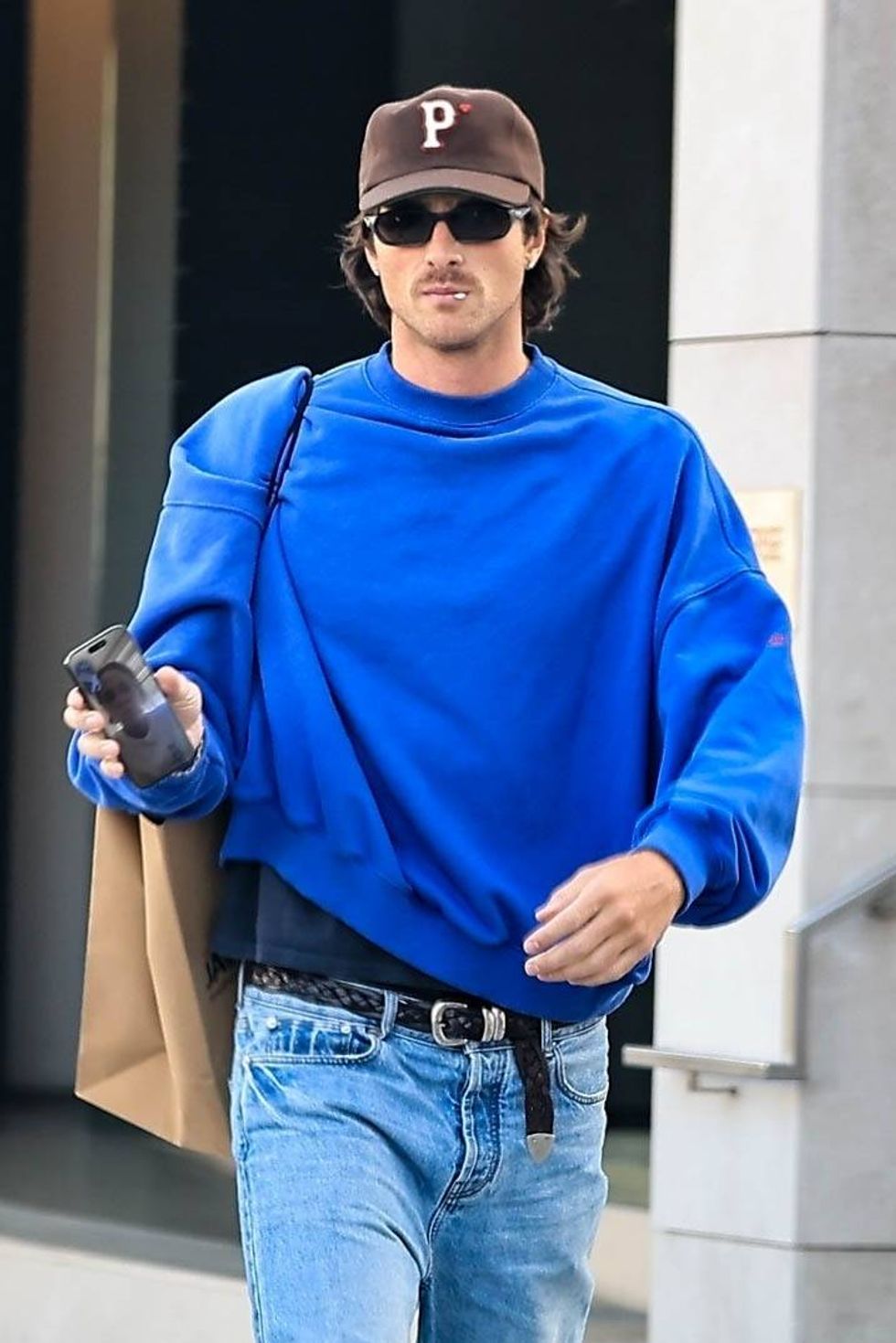
More so than any other accessory, sunglasses have become an assertion of the sensibilities of the wearer. In 2026, both sides of the Atlantic have seemingly pivoted to performing taste through accessories rather than displaying wealth: it is the shape of the shades, rather than a luxury logo on the wing, that announces the individual to the world. For while a handbag can signal status, sunglasses today do something infinitely more interesting, as they declare personhood. They nod to the wearer’s Spotify playlist rather than their tax bracket.
Because we’ve all had brunch recently, right? You’ll be seated indoors – as a chronic smoker who loves this current New York Indian summer, it pains me, too – and there will inevitably be some diva with sunglasses on. Not because they’re hungover, but because the aviator revival is real, and they want the public to know they’re tapped into even the slightest movement of microtrends.
And the more conspicuous, the more they convey. In this zeitgeist of heightened personal branding, where we are as much who we are online as we are in person, and in this current culture of street-style photography, where even the anonymous youth of the public are documenting their fits with the same earnest aplomb as celebrities’ orchestrated paparazzi shoots, sunglasses offer an easy and efficient opportunity to express selfhood.
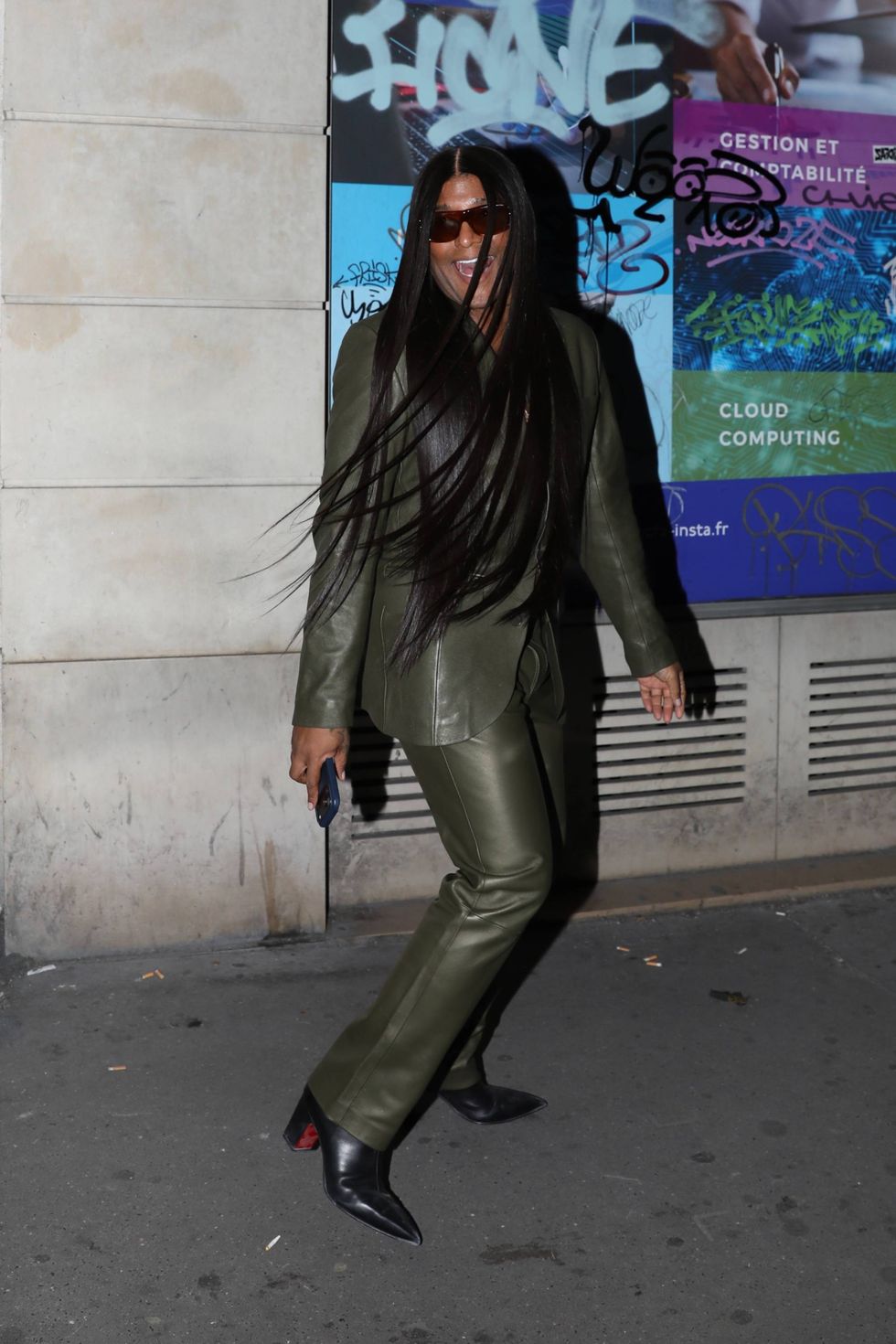
They are also, at the end of the day, cool. Rave shades were once donned to hide the wide eyes of recreational drug-taking; today’s iteration is not just Charli, but indie sleaze revivalists The Dare and Fcukers, too. And from Anna Wintour to Law Roach, while big sunglasses have long been opted for by fashionistas for another level of exclusivity to personal proximity, today they are near-omnipresent on the circuit: it girls upload snaps of themselves sporting shades in supermarkets as much as they’re documented wearing a pair on red carpets.
Today, sunglasses culture encompasses both: they announce something of the wearer while also hiding the very body part that doting aunts will call the window to the soul. When even that brunch is relayed online, the removal of sunglasses grants a rare element of agency for intimacy. For this jaded generation – as conscious about appearances as they are increasingly committed to signalling the defining hedonism of their counterculture – it is no surprise that 2026 has ushered in the Year of the Sunglasses.
Photography courtesy of Backgrid