Cancer Institute performs stem cell transplant
David Bongomin Awany was preparing to leave Uganda for India when his treatment plan suddenly changed. The 56-year-old businessman from Nwoya district, now living in Gulu City, had been diagnosed with multiple myeloma, a blood cancer that affects the bone marrow. He needed an autologous stem cell transplant, a highly specialized procedure that Ugandan patients […] The post Cancer Institute performs stem cell transplant appeared first on The Observer Media Ltd.
 Black News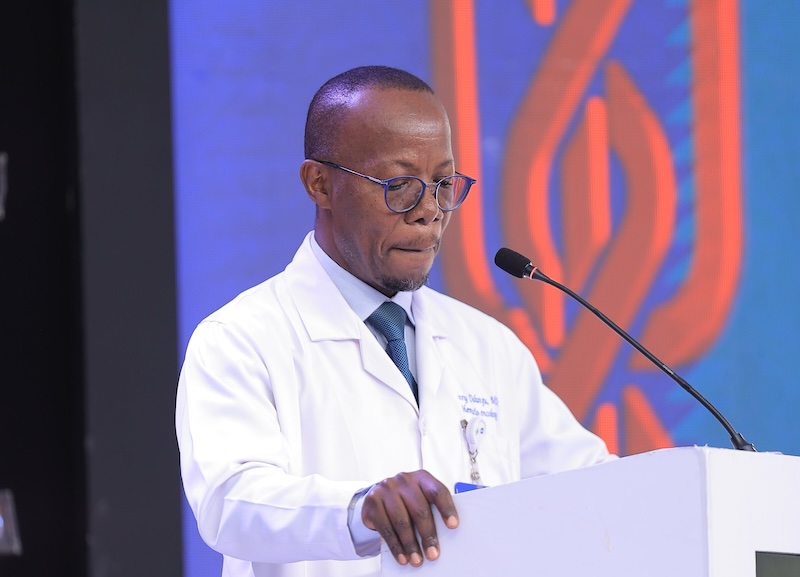

David Bongomin Awany was preparing to leave Uganda for India when his treatment plan suddenly changed.
The 56-year-old businessman from Nwoya district, now living in Gulu City, had been diagnosed with multiple myeloma, a blood cancer that affects the bone marrow. He needed an autologous stem cell transplant, a highly specialized procedure that Ugandan patients have traditionally sought abroad.
Then Dr Henry Dungu, a senior consultant haematologist at the Uganda Cancer Institute, told him the procedure could be done in Kampala.
“We were almost booking the plane to go to India. But when Dr Dungu told me about the transplant, I said, why do I go there? Let me do it from here,” Awany said.
His decision became a test of how far Uganda’s cancer treatment capacity has advanced. UCI successfully performed the transplant, making Awany the second patient in Uganda to undergo the procedure locally.
In an autologous stem cell transplant, doctors collect a patient’s own stem cells and later return them to the body as part of treatment. For multiple myeloma patients, the procedure can form an important part of managing a disease in which abnormal cells build up in the bone marrow and interfere with healthy blood-cell production.
Until recently, Ugandans needing such treatment had little choice but to travel abroad. Awany admits he was frightened when doctors first explained what lay ahead.
“At first, I got scared. I got scared. But I told them, I said, you do your work, but God will do His part,” he said.
His treatment journey was difficult. He recalled arriving at the institute in a wheelchair and later praised the doctors and nurses for working day and night during his care.
“I was in a wheelchair. Now, see, I am walking…,” he said.
What he saw also changed his view of the institute. He now argues that Uganda’s specialists need more government investment rather than patients automatically assuming that better care exists abroad.
“Send them to go and study. Or offer them more machines, they’ll do wonders,” Awany said.
His case comes as Uganda faces a rapidly growing demand for cancer services. UCI registered 8,764 new patients in 2025, up 10 per cent from the previous year, while outpatient visits reached 67,000.
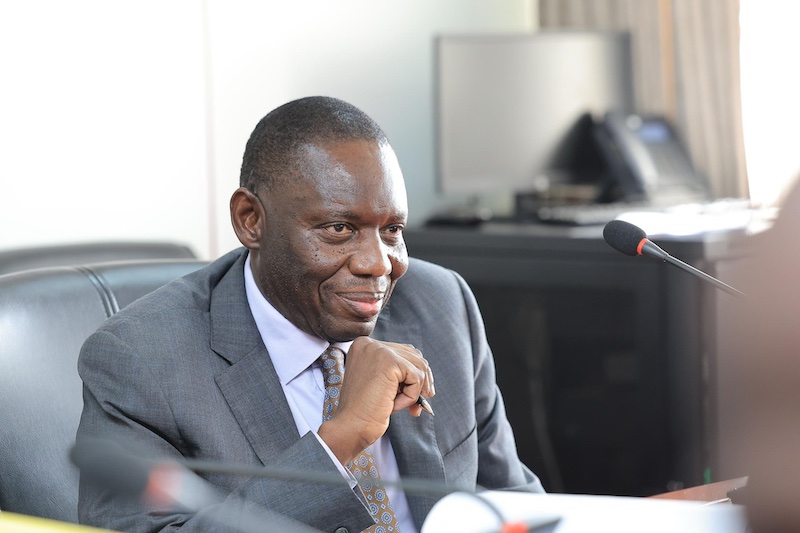
The figures mean that the institute is being asked to treat more people at the same time as it expands into increasingly complex forms of care. Health minister Dr Chris Baryomunsi says treatment alone will not be enough.
He warned that many Ugandans still seek care when cancer has already advanced, making successful treatment more difficult. He called for greater attention to screening, public awareness and prevention.
“If a Ugandan is going to go for more screening and the cancer is detected or diagnosed in the earlier stages, stage one, it can be successfully managed,” he said.
Baryomunsi said the government plans to intensify cancer education through radio, television, other media platforms and community engagement. He also linked the growing cancer burden partly to changing lifestyles, including alcohol consumption, sedentary living, unhealthy diets and sugary drinks, while calling for more research into why cancer is increasing in Uganda and across Africa.
“We need to invest in research to understand why cancer is rising in Uganda and across Africa,” he said.
The pressure is also forcing the government to confront another longstanding weakness: the concentration of specialized cancer care in Kampala. The government is establishing and expanding regional cancer services, with the longer-term aim of enabling regional referral hospitals to provide dedicated treatment.
The goal is to reduce the number of patients who must travel to Kampala and, eventually, the number who leave Uganda altogether. Baryomunsi argued that some Ugandans seek treatment abroad because they assume foreign hospitals are necessarily better, even though Uganda has highly trained specialists.
“Maybe what has been lacking sometimes has been the tools, the equipment, the devices which we are committed as a government to provide,” he said.
Professor Damalie Nakanjako, the UCI Board chairperson, said the two successful transplants demonstrate the specialized capacity the institute is building.
“Thank you for putting your trust in us. Thank you for trusting the Uganda Cancer Institute team to work on you,” she said.
Dr Dungu said the achievement showed what sustained investment in technology and specialists can make possible.
“This is not just a win for the Uganda Cancer Institute but a win for every Ugandan. We have proven that with the right investment in technology and human capital, we can treat the most complex cancers right here at home in Uganda,” he said.
UCI plans to expand the transplant programme gradually to other blood-related cancers, including lymphoma and certain leukaemias, as its clinical capacity and patient numbers grow.
The post Cancer Institute performs stem cell transplant appeared first on The Observer Media Ltd.