Caribbean Journalism ‘Under Siege’ as Burnout, Big Tech and AI Threats Mount
The Media Institute of the Caribbean (MIC) has issued a stark warning on World Press Freedom Day 2026, declaring that journalism across the region is facing an unprecedented crisis fueled by financial strain, rising threats to journalists, and the rapid spread of artificial intelligence-driven misinformation. In a statement released on May 3, the regional body […] The post Caribbean Journalism ‘Under Siege’ as Burnout, Big Tech and AI Threats Mount appeared first on Saint Lucia Daily Post.
 Black News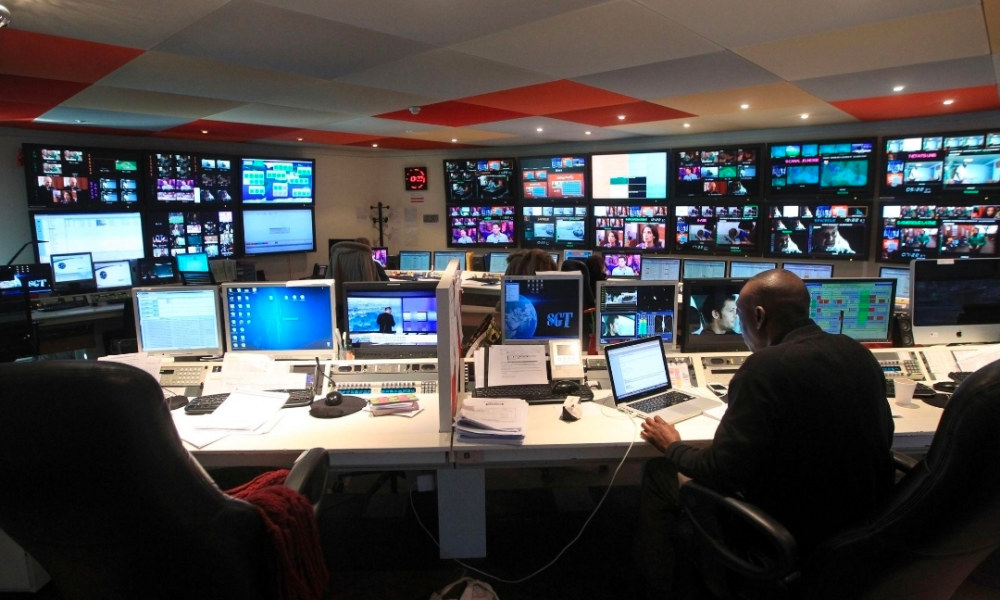
The Media Institute of the Caribbean (MIC) has issued a stark warning on World Press Freedom Day 2026, declaring that journalism across the region is facing an unprecedented crisis fueled by financial strain, rising threats to journalists, and the rapid spread of artificial intelligence-driven misinformation.
In a statement released on May 3, the regional body cautioned that the foundations of democratic discourse in the Caribbean are under pressure, with press freedom, media viability, and media literacy now “inseparable imperatives” for safeguarding human rights and sustainable development.
At the heart of the crisis is a collapsing business model. The MIC revealed that between 15 and 25 percent of digital advertising revenue is being absorbed by global tech giants such as Meta and Google, leaving Caribbean media houses struggling to survive. This shift, the Institute warned, is weakening indigenous news organisations at a time when credible journalism is most needed.
Compounding the issue is the growing toll on journalists themselves. According to the MIC, more than 80 percent of media professionals in the Caribbean report experiencing burnout, with many lacking access to adequate psychosocial support. The organisation noted that this level of strain threatens journalism’s ability to function as a democratic watchdog.
The statement also raised alarm over the increasing use of artificial intelligence to weaponise misinformation and disinformation. Referencing a 2023 study, the MIC pointed to the emergence of AI-generated deepfakes targeting elections, coordinated campaigns undermining public health messaging, and synthetic content exploiting ethnic and religious divisions. Without proper governance and ethical safeguards, the Institute warned, these technologies could severely undermine both press freedom and democratic integrity.
Against this backdrop, the MIC emphasised that media literacy must now be treated as essential infrastructure for modern democracies. Citizens, it argued, must be equipped to distinguish fact from manipulation and to understand how algorithms shape the information they consume.
To address these challenges, the Institute is advocating for sweeping reforms across the region. These include the introduction of taxation frameworks for digital advertising giants, regulatory audits of algorithms to detect bias, and the establishment of content verification standards. The MIC also called on journalism organisations to develop clear guidelines for the use of artificial intelligence in newsrooms, while urging educators to embed media literacy across all levels of schooling.
The organisation stressed that media houses themselves must adapt to shifting audience behaviours, noting that innovation will be critical to ensuring long-term sustainability.
At the same time, the MIC reaffirmed its commitment to strengthening journalist safety and resilience through rapid-response systems, trauma-informed practices, and inclusive newsroom standards, alongside expanded training programmes aimed at building regional media capacity.
In a direct appeal to governments, private sector leaders, civil society and international partners, the Institute underscored that the future of the Caribbean depends on collective action.
“Media viability, media literacy, and press freedom are prerequisites for shaping futures at peace,” the statement noted, warning that without urgent intervention, the region risks weakening its democratic systems and limiting citizens’ ability to access reliable information and participate meaningfully in public life.
The post Caribbean Journalism ‘Under Siege’ as Burnout, Big Tech and AI Threats Mount appeared first on Saint Lucia Daily Post.