Check these late summer, fall urban gardening tips
Expert advice helps Houston gardeners maximize harvests despite scorching temperatures by planning ahead.
 Black News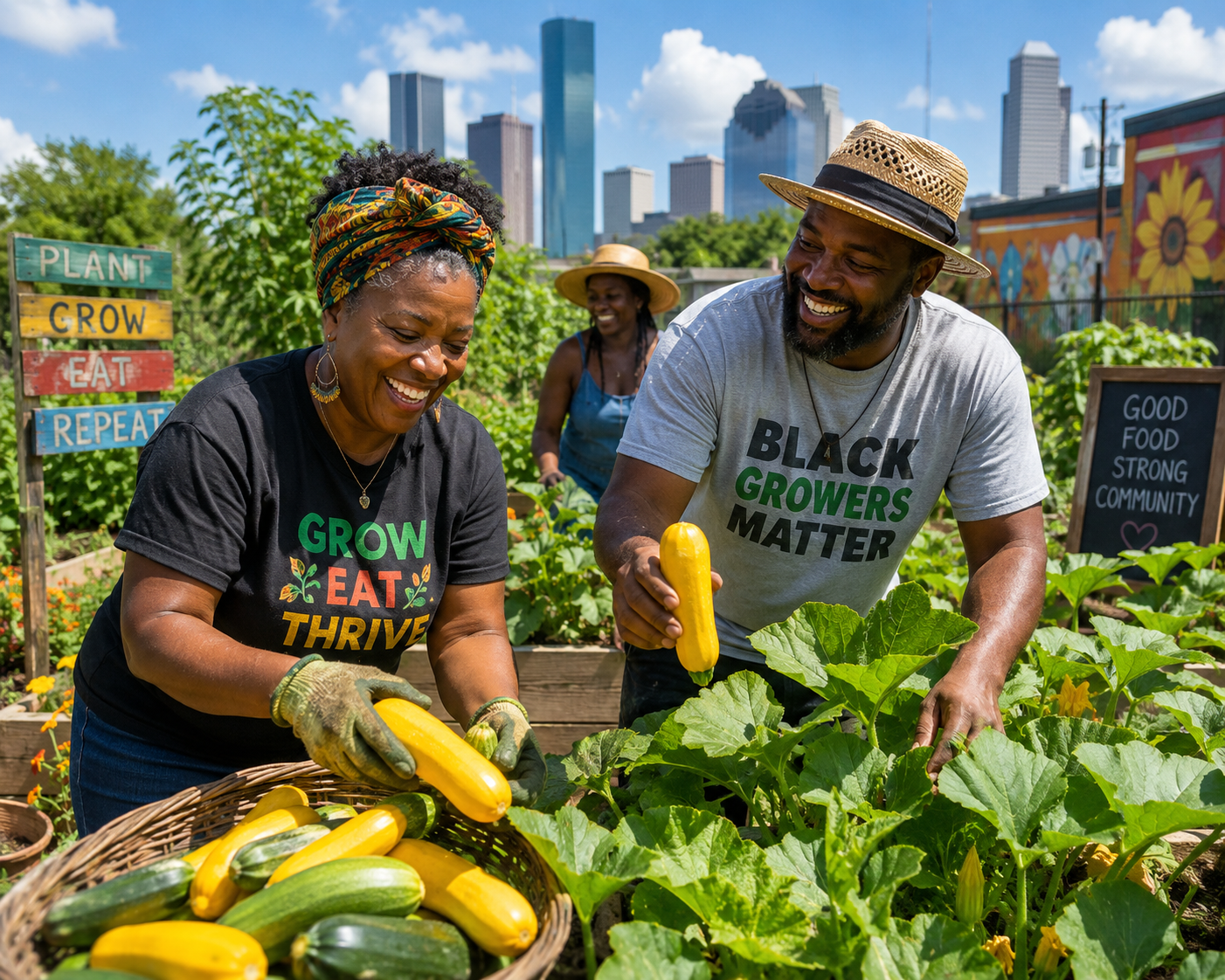


For many Houston-area gardeners, spring gets all the attention. It’s the season most people associate with fresh starts, colorful gardens, and plentiful harvests. Fall also enjoys a strong following because Texas’s mild winters allow many crops to thrive.
Summer, however, is often treated like gardening’s off-season.
With Houston’s “feels like” temperatures regularly climbing above 100 degrees, many gardeners pack away their tools and wait for cooler weather. But experienced food growers say that’s a missed opportunity.
Late summer is actually one of the most important times of the year. It’s when gardeners can prepare for a productive fall harvest while also extending the life of many spring crops that only appear finished because of the extreme heat.
Local agriculture experts say a few simple strategies can help gardeners make the most of Houston’s unique growing conditions.
Think of fall as a second growing season
Brukendra Fillmore, Harris County Agriculture and Natural Resources Extension Agent with Prairie View A&M University Extension, says Houston gardeners have an advantage because most of the area falls within USDA Zones 9A and 9B.

“Late summer and early fall can serve as a second growing season,” Fillmore said, noting that success depends on choosing crops that tolerate lingering heat before cooler temperatures arrive.
During late summer, gardeners can still grow warm-weather favorites such as okra, southern peas, cucumbers, summer squash, peppers, eggplant, and sweet potatoes. Depending on the variety, pumpkins, winter squash, beans, and even certain tomatoes can also be planted successfully.
Marcus Glenn, a program developer with the Black United Fund, agrees that there’s still plenty of time to keep growing.
“It’s still time for okra,” Glenn said. “I’d also start planning and starting my fall garden. You’re able to grow leafy vegetables, some nice fall tomatoes, and cucumbers.”
Glenn recommends selecting heirloom varieties alongside hybrids proven to perform well in Zones 9A and 9B.
Begin preparing for cooler weather now

One of the biggest mistakes gardeners make is waiting until autumn actually arrives before planting fall crops.
As September and October approach, Fillmore recommends transitioning to cool-season vegetables, including broccoli, cabbage, cauliflower, Brussels sprouts, collard greens, kale, Swiss chard, mustard greens, lettuce, arugula, carrots, beets, radishes, turnips, and English or snap peas. Garlic and onions can follow later in the season.
Herb lovers also have options. Basil can continue growing through the hottest part of the season before gardeners shift to cilantro, parsley, dill, and other cool-weather herbs.
Ron McFarlane, chief urban agriculturist at Harlem River Farms, encourages gardeners to start even earlier.
“Fall gardening starts now—not when it finally feels like fall,” said McFarlane, who founded the Houston Garden Crawl.
He recommends starting slower-growing vegetables such as celery, Brussels sprouts, broccoli, cabbage, cauliflower, collards, and kale indoors or in shaded seed-starting areas. Doing so allows gardeners to have healthy transplants ready once outdoor conditions improve.
Don’t abandon your spring garden
McFarlane says one of the biggest misconceptions is believing spring gardens are finished once production slows during Houston’s hottest weeks.
“Don’t assume your spring garden is finished just because the summer heat slowed it down,” he said.
Peppers, eggplant, and other established plants often appear dormant during extreme heat but can rebound when temperatures moderate. Instead of pulling up healthy plants, McFarlane recommends continuing to water them, apply mulch, and keep them healthy until they resume producing.

Tre Lemons, an urban gardener, echoes that philosophy.
“For late July in Houston, the key is to embrace the heat,” Lemons said.
He recommends planting okra, describing it as Houston’s signature summer vegetable because frequent harvesting encourages continued production. Sweet potatoes planted through August also thrive in the heat and can be harvested within three to four months.
Let the weather—not the calendar—guide you
Fillmore advises gardeners to stop relying solely on planting calendars.
“Pay attention to the temperature, rainfall, and the specific needs of each plant,” she said.
Houston’s summer heat often extends well into September, so newly planted seeds and transplants may benefit from temporary shade as they establish strong root systems. She also recommends inspecting gardens several times each week for insects and diseases, especially by checking underneath leaves where problems often begin.
“Fall gardening starts now—not when it finally feels like fall.”
Ron McFarlane
Flowers can also brighten late-summer landscapes. Fillmore suggests heat-loving blooms, including zinnias, marigolds, vinca, pentas, and lantana, before transitioning to cooler-season flowers such as dianthus, snapdragons, calendula, and eventually pansies.
Success starts small
For new gardeners, Fillmore says bigger isn’t always better.
“A successful garden does not have to be large,” she said.
Raised beds, containers, and even small in-ground plots can produce abundant harvests when carefully planned. She encourages gardeners to focus first on growing foods their families actually enjoy eating.

McFarlane offers three additional reminders: protect existing plants, start fall crops early, and keep soil covered with mulch to conserve moisture while reducing soil temperatures.
“Houston’s gardening season doesn’t really stop—we transition from one growing season into the next,” McFarlane said. “Your summer garden may be resting while your fall garden is already starting.”
Community resources for growers
Gardeners looking for plants and practical advice can also connect with fellow growers throughout the season.
Every second and fourth Thursday, McFarlane and Harlem River Farms host Grow More, Spend Less, a community plant giveaway at the Third Ward Multi-Service Center, 3611 Ennis St., from 5:30 p.m. to 8 p.m.
For Houston gardeners, late summer isn’t a season to endure—it’s an opportunity to prepare, plant and position themselves for one of the year’s most productive harvests.