Do Oakland Councilman Houston’s proposed sweeping changes wreck police accountability?
The Oakland Police Department has been receiving federal oversight since the conclusion of the Oakland Riders trial in 2003 because of its accountability issues and the fact that it has been run like a mafia that is above the law. The post Do Oakland Councilman Houston’s proposed sweeping changes wreck police accountability? appeared first on San Francisco Bay View.
 Black News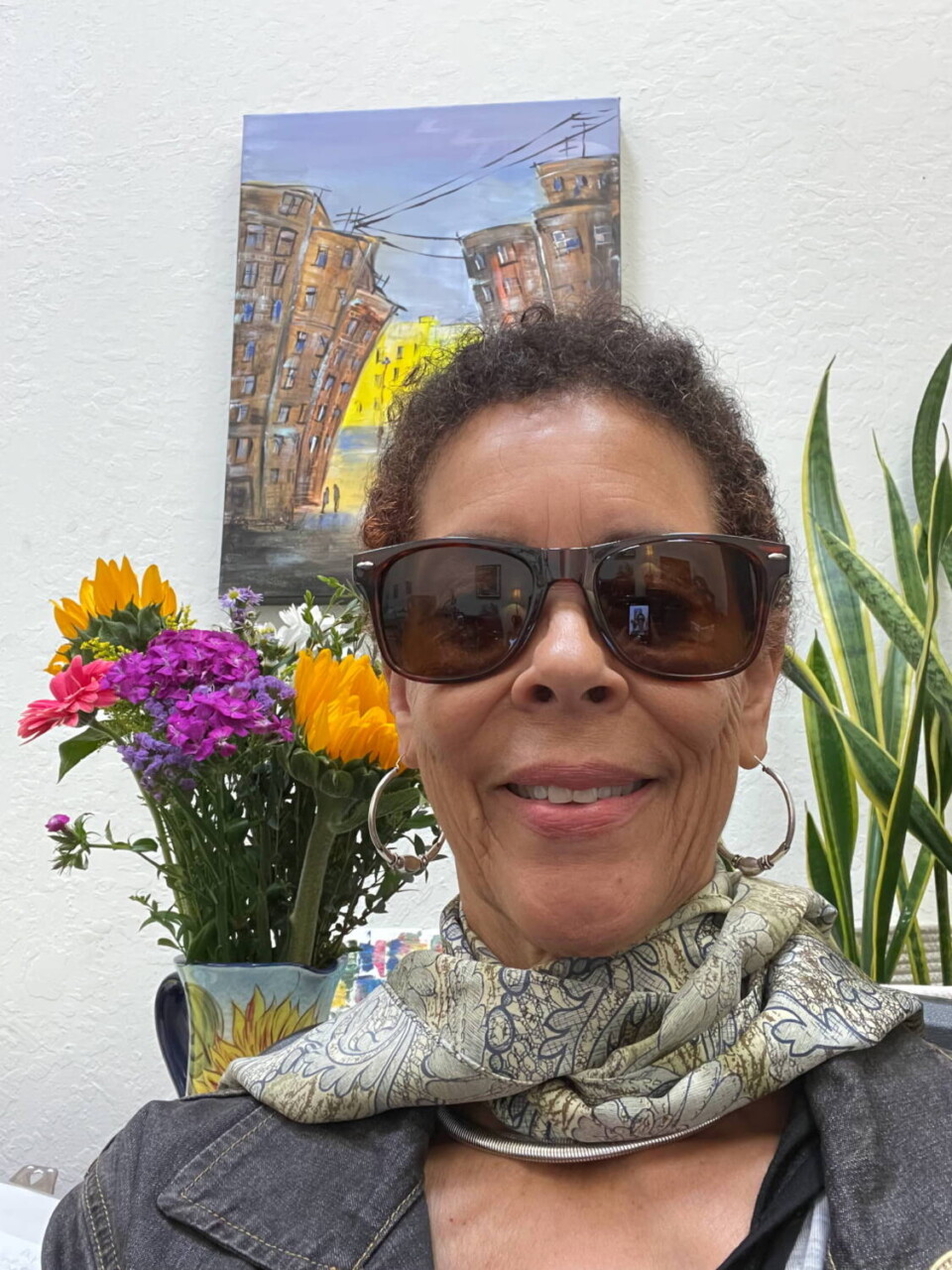
by JR Valrey, the People’s Minister of Information
The fight for police accountability in Oakland, like most cities that Black people inhabit, has been an age-old fight that dates back to the establishment of Oakland. A century ago, in the 1920s, the Ku Klux Klan were bringing record numbers of racists together in the Henry J. Kaiser Center for ritualistic hate rallies. After they traded in their pointed hats for black police uniforms, the agenda to kill, scare and contain Blacks continued behind a badge, backed by white supremacy. When the turbulent ‘60s rolled in, starting in Oakland and spreading like an inferno, the Black Panther Party got famous after addressing the police terror epidemic with: police accountability patrols, observing the police and informing people of their rights in real-time during police confrontations, as well as armed self defense and resistance.
Cathy Leonard is a frontline activist when it comes to addressing police murder and abuse of Black people in the Town, Oakland. With Oakland City Councilman Ken Houston pushing for vast changes, which many believe weaken police accountability, I wanted to talk to a veteran in the police accountability movement who could share experience and organizational history with the people.
JR Valrey: What is the purpose of the Oakland Police Commission?
Cathy Leonard: The Oakland Police Commission provides oversight of the Oakland Police Department, independent of The City. It also oversees the Community Policing Review Agency (CPRA) and the Office of the Inspector General (OIG). It ensures that OPD’s policies, practices and customs meet national standards of constitutional policing.
In 2016, Oakland voted by 83% to pass Measure LL, which created the Police Commission and the Community Police Review Agency (CPRA). Measure S1 was a follow-up to Measure LL and in 2020 was approved by 83% of Oakland voters. Measure S1 strengthened the OIG’s office, provided professional staff, including an attorney not associated with the City Attorney’s Office.
After Measure LL was supported by the voters, the Police Commission was formally created by the City Council in July 2018 through a Charter, a voter approved document sort of like the City’s Constitution, and an Enabling Ordinance, a local law enacted by the City Council to regulate specific matters, here the Police Commission and the bodies it oversees.
JR Valrey: Why was it established?
Cathy Leonard: Oakland citizens were frustrated by the long history of OPD’s systemic civil rights abuses, controversial police shootings, failure to discipline officers, the policy of the highest levels of OPD ignoring the abuses. OPD was under federal oversight due to a class action lawsuit, and compliance was supposed to be completed in 2008.
By 2016, the court was still overseeing OPD and Oakland residents realized that we needed a permanent, local oversight system to ensure ongoing compliance with these reforms after the federal court vacated the order.
JR Valrey: How does the Police Commission work exactly?
Cathy Leonard: The Police Commission completes its work through ad hoc committees, which also consist of community members. As a body, it approves or rejects proposed changes to OPD policies, procedures, customs and General Orders, especially those related to use of force, profiling, First Amendment assemblies, and compliance with the Negotiated Settlement Agreement.
JR Valrey: How does the community play a part?
Cathy Leonard: The community played an initial part by seeking out two councilpersons to work with them on creating Measures LL and S1 and later by attending meetings of the Selection Panel, the Police Commission and/or joining an ad hoc committee and City Council and committee meetings where police accountability matters are agendized.
JR Valrey: Why did you start doing police accountability work?
Cathy Leonard: I attended a Community Police Review Board, predecessor to the Community Police Review Agency, meeting and commented on their bylaws. Rashidah Grinage, founder of the Coalition for Police Accountability (CPA) was also commenting. Then Executive Director Anthony Finnell asked me if I would work with Mrs. Grinage on editing the bylaws. Mrs. Grinage gave me a history lesson and talked about the CPA.
I had always been aware of police accountability issues in my neighborhood and across Oakland and thought it would be a great organization to join. Happy to say, I was right. I attended meetings, became a member, a Steering Committee member, and eventually the president of the Coalition for Police Accountability. My work on this issue continues today.
JR Valrey: When did you become a part of the Police Commission?
Cathy Leonard: I was never a part of the Police Commission, but I do serve on its Discipline Matrix Ad Hoc Committee.
JR Valrey: Can you talk about the recent proposal by Oakland City Councilmember Ken Houston to create a ballot measure that some say may overthrow the Police Commission? What are your thoughts?
Cathy Leonard: His proposal weakens the entire structure of the Police Commission and the bodies it oversees. Councilmember Houston’s proposed ballot measure seeks to rob the Police Commission and the Selection Panel of its voter mandated independence. Despite his proposal’s claims to strengthen the independence of the Office of the Inspector General, the proposal would weaken the OIG’s office by folding it into the City Auditor’s Office and giving the authority to appoint the IG to the Auditor. Voters made their intentions clear at the ballot box that they wanted transparency and bodies independent of City Hall, and Houston’s proposal strikes against that.
JR Valrey: How has the current mayor Barbara Lee and the current Oakland City Council been on the topic of police accountability?
Cathy Leonard: So far they have voiced support for police accountability, but it remains to be seen whether they will accept Houston’s proposed measure to weaken the Police Commission, the Selection Panel and the OIG’s office. It also remains to be seen whether they will fund police accountability appropriately and pass an updated ordinance, which is needed.
MOI JR: The Oakland Police Department has been receiving federal oversight since the conclusion of the Oakland Riders trial in 2003 because of its accountability issues and the fact that it has been run like a mafia that is above the law. What are your thoughts on the Oakland Police Department, one of the most corrupt departments in the country, still requiring federal oversight continuously after 23 years and numerous leadership shuffles?
Cathy Leonard: My thoughts are that the department needs a complete overhaul to change its entire culture. They need to take ownership of their conduct and stop blaming the requirements imposed by increased oversight and accountabilty as reasons why they can’t do their jobs.
MOI JR Valrey: How can concerned community members get involved with the Oakland Police Commission?
Cathy Leonard: Familiarize themselves with the Charter and Enabling Ordinance, attend Police Commission meetings and join an ad hoc committee. Community members can also seek to join the Selection Panel and/or the Police Commission. Community members can also attend City Council or council committee meetings via zoom or telephone or submit an eComment before the meetings when police accountability items are on the agendas.
SF Bay View Editor-in-Chief JR Valrey is a veteran journalist who can be heard weekly on Wednesdays on 89.5 FM KPOO or KPOO.com from noon to 3 p.m. His work can also be heard on www.blockreportradioworld.com.
The post Do Oakland Councilman Houston’s proposed sweeping changes wreck police accountability? appeared first on San Francisco Bay View.