Egypt boosts Sinai oil output to nine-year high with Eni’s help as energy import bill surges
Egypt has boosted production from some of its oldest offshore oil fields to the highest level in nearly a decade, providing a welcome lift for an economy struggling with rising energy import costs and declining domestic output.
 Black News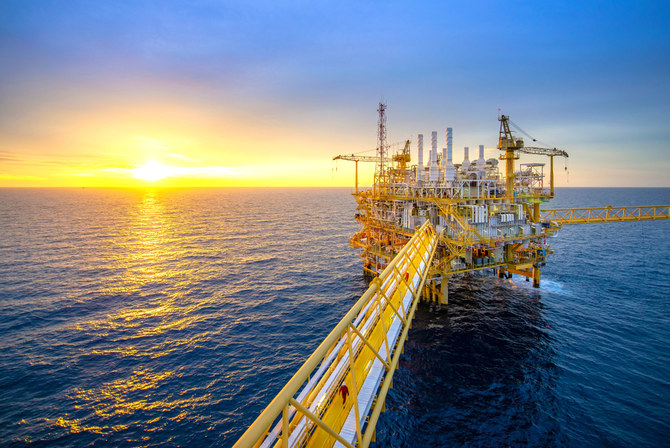

Egypt has boosted production from some of its oldest offshore oil fields to the highest level in nearly a decade, providing a welcome lift for an economy struggling with rising energy import costs and declining domestic output.
- Egypt’s Sinai offshore fields are producing at their highest level since 2017.
- Output has risen more than 50% since January 2025 after an optimisation programme led by Eni.
- The gains come as Egypt faces a crude supply deficit of more than 100,000 barrels per day.
- Cairo hopes higher domestic production will reduce costly fuel imports and improve energy security.
The Ministry of Petroleum and Mineral Resources said crude production from offshore fields in the Sinai Peninsula has stabilised at around 27,000 barrels per day, the highest level recorded since 2017 after an intensive optimisation programme led by Italian energy major Eni and the Egyptian General Petroleum Corporation (EGPC).
Production from the fields has risen by more than 50% since January 2025, adding over 10,000 barrels per day and generating more than 2.8 million additional barrels of crude oil, according to the ministry.
The increase is particularly notable because several of the fields have been producing for more than 60 years and would normally be expected to experience declining output.
The gains come at a crucial moment for Egypt’s energy sector.
Despite being one of Africa’s largest oil and gas producers, Egypt is increasingly reliant on imported fuel as domestic production struggles to keep pace with demand.
The country’s crude production currently stands at roughly 500,000 to 515,000 barrels per day, while its refineries require between 620,000 and 650,000 barrels daily, leaving a structural deficit of more than 100,000 barrels per day that must be covered through imports.
That gap has become more expensive to manage.
In March, Prime Minister Mostafa Madbouly said Egypt’s energy import bill had more than doubled amid rising global fuel prices, with the country’s monthly natural gas import costs jumping from about $560 million to roughly $1.65 billion.
The government warned that higher oil prices could place additional pressure on public finances and economic growth.
Cairo’s production push
The Sinai turnaround forms part of a broader campaign by Cairo to revive domestic oil and gas production after years of decline.
In February, Egypt instructed international oil companies operating in the country to help double production by 2030, arguing that existing contractual arrangements may need to be revised to encourage greater investment.
The strategy aims to lift crude output from current levels and reduce dependence on imported energy.
Government data shows crude production fell to around 519,000 barrels per day in late 2025, far below the country’s historical peak of about 930,000 barrels per day in the 1990s.
The country’s energy challenges have been compounded by declining gas production from major fields, forcing authorities to increase imports and seek fresh investment from international operators.
Egypt has also accelerated efforts to settle arrears owed to foreign energy companies in a bid to restore investor confidence and stimulate exploration activity.
Eni expands activity
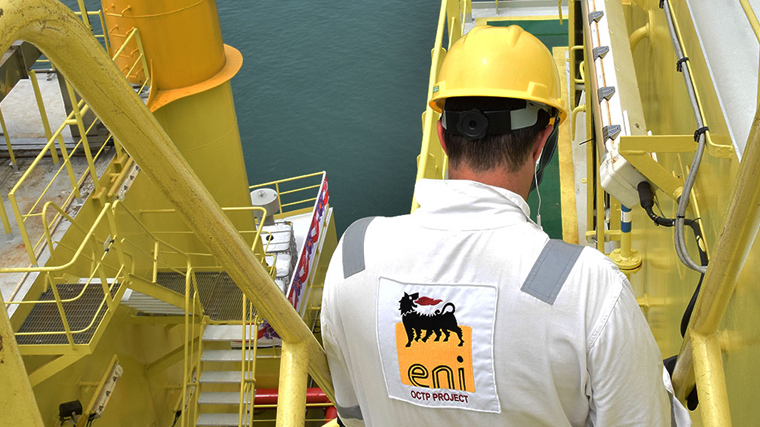
Eni has emerged as one of the key players in Egypt’s upstream revival efforts.
In February, the company’s Belayim Offshore-133 well began production in Sinai at an initial rate of about 1,500 barrels per day. The latest production milestone suggests that continued investment and enhanced recovery techniques are helping unlock additional volumes from mature assets once considered to be in decline.
Egypt has also reported a series of new discoveries in the Western Desert and Gulf of Suez over the past year as it seeks to rebuild production capacity and strengthen energy security.
For Cairo, the significance of the Sinai gains extends beyond the additional barrels.
Every increase in domestic production helps reduce import requirements, eases pressure on foreign currency reserves and supports the government’s ambition of restoring Egypt’s position as one of the region’s leading energy producers.