Ethiopia emerges as Africa’s renewable power heavyweight after 7-year capacity boom
Ethiopia has more than doubled its electricity generation capacity over the past seven years, according to new figures released by Ethiopian Electric Power, underscoring the country’s push to position itself as one of Africa’s leading renewable energy producers.
 Black News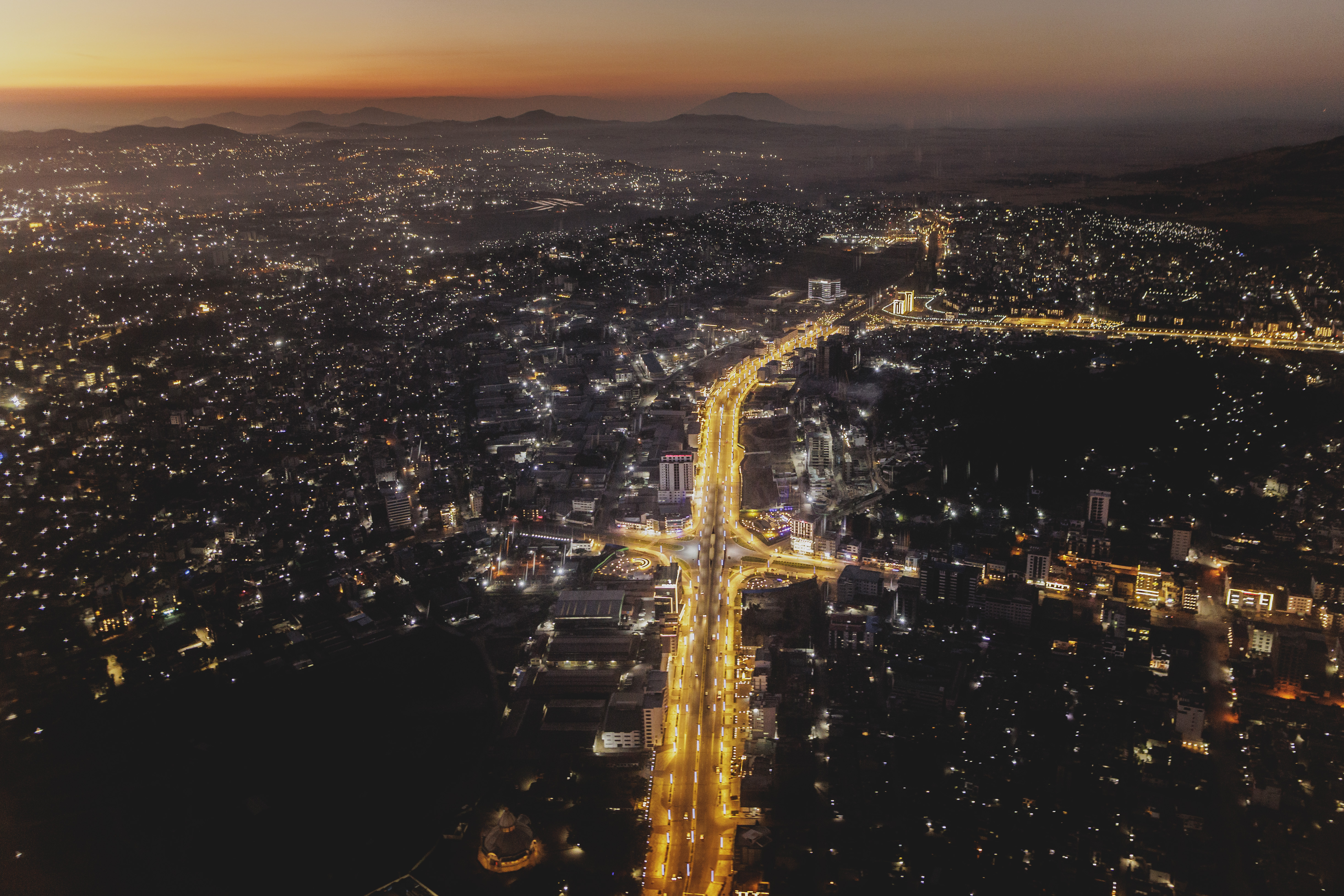
![View of the city during dawn on December 10, 2025 in Addis Ababa, Ethiopia. [Photo by Florian Gaertner/Photothek via Getty Images]](https://ocdn.eu/pulscms/MDA_/8be61a55f0d61177d790efc64e8ae88d.jpg)
Ethiopia has more than doubled its electricity generation capacity over the past seven years, according to new figures released by Ethiopian Electric Power, underscoring the country’s push to position itself as one of Africa’s leading renewable energy producers.
- Ethiopia has more than doubled its electricity generation capacity over the past seven years, reaching 9,752 megawatts, according to official data.
- Access to electricity has also risen to about 54%, supported by nationwide grid expansion.
- The nation continues to rely almost entirely on renewable energy, led by hydropower, wind, solar, and geothermal sources.
- Large infrastructure projects, including the Grand Ethiopian Renaissance Dam, have been central to this growth.
Installed generation capacity rose from 4,462 megawatts to 9,752 megawatts during the period, while national electricity access increased from 44% to about 54%, according to data cited by state-run media.
EEP’s communications director, Moges Mekonnen, said the expansion reflects what he described as a “major leap” in the country’s energy development, driven by large-scale infrastructure projects and transmission network upgrades.
The country’s transmission grid now spans more than 21,000 kilometres, extending electricity access to broader parts of the nation.
Ethiopia generates almost all of its electricity from renewable sources, with hydropower accounting for the vast majority of output. Wind contributes nearly 5%, while geothermal supplies less than 1% of electricity, according to EEP data.
Mekonnen said authorities are working to diversify the energy mix further through expanded investment in wind, solar and geothermal projects to strengthen long-term climate resilience.
A key contributor to the capacity increase is the Grand Ethiopian Renaissance Dam, officially inaugurated last year and regarded as Africa’s largest hydropower project. The dam has become central to Ethiopia’s ambition to meet rising domestic power demand and increase electricity exports to neighbouring countries.
The rapid expansion comes as many African economies accelerate investment in renewable energy to tackle chronic power shortages, support industrial growth and meet climate targets.